
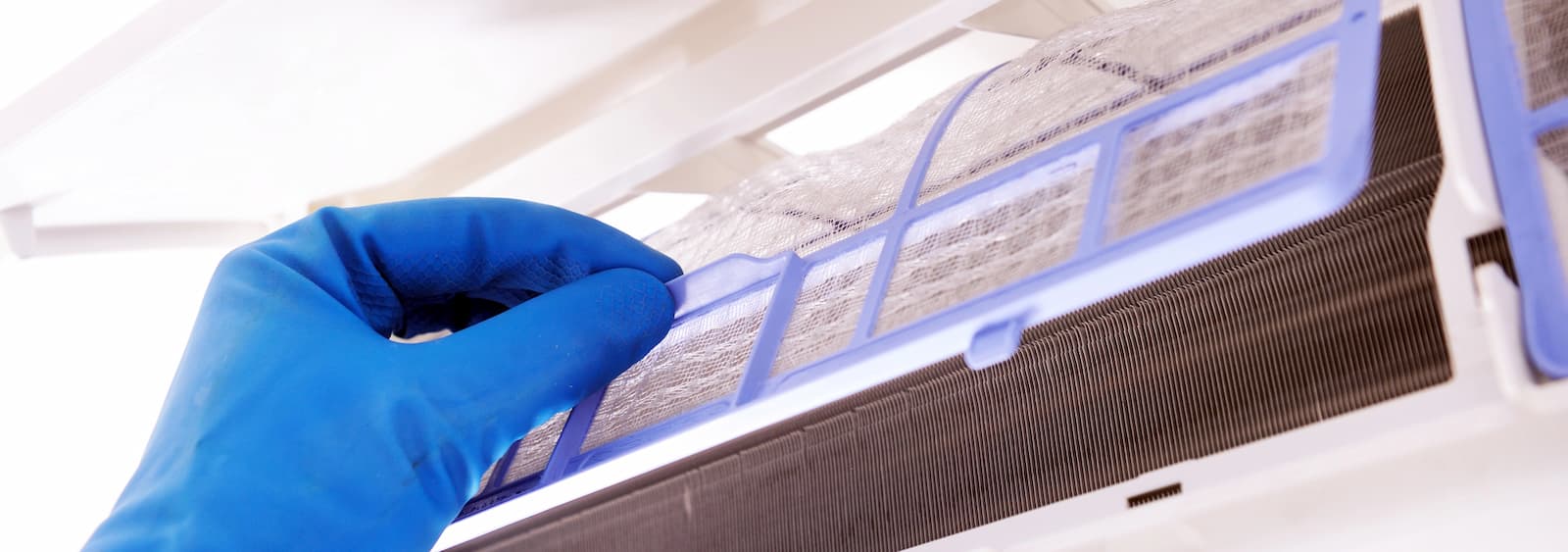
Professional odor remediation in Genesee, CO addresses persistent smells from wildfire smoke, wildlife intrusions, mold, and other sources common to mountain homes at 8,000+ feet elevation.
- Best Option Restoration of Lakewood provides thorough inspection using thermal imaging and air quality testing, followed by source removal, deep cleaning, and air treatment with hydroxyl generators or ozone technology.
- Common odor sources in Genesee include wildlife in crawlspaces, wildfire smoke penetration, moisture from snowmelt, septic issues, and creosote buildup from wood-burning stoves.
- The company offers 24/7 response, IICRC-certified technicians, and detailed documentation for insurance claims including photos, air quality results, and treatment logs.
Odor remediation is a professional process that removes persistent smells from homes caused by smoke damage, mold growth, or wildlife intrusion. Specialists use advanced techniques like ozone treatment, thermal fogging, and air scrubbing to neutralize odor-causing particles at the molecular level rather than simply masking them, restoring fresh and clean indoor air quality.
Overview
Persistent odors in your Genesee home can transform your mountain sanctuary into an uncomfortable space. Whether smoke has permeated your walls after a wildfire event, moisture has triggered mold growth in your basement, or wildlife has left unwelcome reminders in your crawlspace, professional odor remediation restores the fresh, clean air your household deserves.
Odor remediation involves far more than masking unpleasant smells with air fresheners. Professional elimination targets odor molecules at their source – breaking down volatile organic compounds, neutralizing bacteria, and removing contaminated materials when necessary. At Genesee's elevation of over 8,000 feet, the thinner mountain air and unique climate conditions create specific challenges that require specialized knowledge and equipment.
- Complete source identification rather than surface-level treatment
- Advanced molecular neutralization using hydroxyl generators and ozone technology
- Structural assessment to locate hidden contamination in walls, subfloors, and HVAC systems
- Long-term prevention strategies tailored to mountain home environments
Common Issues in Genesee, CO
Seasonal risk calendar for Odor Remediation/Elimination in Genesee, CO
Based on local patterns and building stock, the months below tend to see the most calls.
Genesee's position along the Front Range foothills creates a distinctive set of odor challenges that differ significantly from urban Denver neighborhoods. The community's proximity to open space and wildlife corridors means animal intrusions occur regularly – skunks, raccoons, and rodents often find their way into crawlspaces and attics, leaving behind waste and decomposition odors that permeate living areas.
Wildfire smoke represents a growing concern for Genesee residents. Even when flames remain miles away, smoke particles infiltrate homes through HVAC systems, windows, and structural gaps. These microscopic particles embed themselves in soft furnishings, carpeting, and porous building materials, releasing odors for months after the fire season ends.
- Wildlife intrusion and decomposition in crawlspaces, attics, and wall cavities
- Wildfire smoke penetration during increasingly active fire seasons
- Moisture accumulation from snowmelt and spring runoff creating musty, mold-related odors
- Septic system issues common in properties not connected to municipal sewer lines
- Wood-burning fireplace and stove creosote buildup affecting indoor air quality
- Pet odors intensified by homes sealed tightly against mountain winter temperatures
Seasonal transitions bring particular challenges. Spring snowmelt can overwhelm drainage systems, allowing moisture into basements and lower levels. The resulting musty odors indicate potential mold growth that requires professional assessment. Winter months, when homes remain tightly sealed against sub-zero temperatures, concentrate indoor odors and reduce natural ventilation that might otherwise dissipate minor smells.
How Best Option Restoration of Lakewood Can Help
Our odor remediation process begins with thorough investigation rather than immediate treatment. Effective elimination requires understanding exactly what you're dealing with and where it originates.
Our Step-by-Step Remediation Process
- Comprehensive inspection – Our technicians examine your entire property using thermal imaging, moisture meters, and air quality testing to identify odor sources, including hidden contamination behind walls or beneath flooring.
- Source documentation – We photograph and catalog all affected areas, creating detailed records that support insurance claims and track remediation progress.
- Containment setup – For severe contamination, we establish negative air pressure zones to prevent odor migration to unaffected areas during treatment.
- Source removal – Contaminated materials that cannot be effectively treated – saturated insulation, decomposed organic matter, heavily damaged drywall – are safely removed and disposed of according to regulations.
- Deep cleaning and treatment – Salvageable surfaces receive appropriate treatment using enzymatic cleaners, antimicrobial solutions, or specialized techniques based on the odor type.
- Air treatment – Hydroxyl generators, ozone machines, or thermal fogging neutralize airborne odor molecules throughout the structure.
- Verification testing – Post-treatment air quality testing confirms successful remediation before we consider the job complete.
Specialized Techniques We Deploy
- Hydroxyl generation for occupied-space treatment without evacuation requirements
- Thermal fogging that penetrates porous materials where odors hide
- HEPA air scrubbing to remove particulate contamination
- Enzymatic treatments that biologically break down organic odor sources
- Sealant application to encapsulate residual contamination in structural materials
Throughout the process, our project managers maintain clear communication. You'll receive updates at each phase and have direct access to the team handling your property.
Insurance & Documentation
Odor remediation often qualifies for insurance coverage, particularly when the underlying cause stems from a covered event such as fire, water damage, or vandalism. Proper documentation makes the difference between smooth claim processing and frustrating delays.
Our team creates comprehensive records from the initial inspection through final verification. This documentation package includes timestamped photographs, detailed scope assessments, air quality test results, and itemized treatment logs.
- Initial condition reports with photographic evidence of contamination sources
- Air quality testing results before, during, and after treatment
- Material disposal manifests for removed contaminated items
- Treatment logs documenting all chemicals, equipment, and techniques applied
- Final verification reports confirming successful odor elimination
- Itemized invoicing that aligns with insurance adjuster requirements
We work directly with insurance adjusters and can provide supplemental documentation when claims require additional support. Our IICRC certifications meet or exceed the standards most insurance companies require for restoration contractors, streamlining approval processes.
Why Choose Best Option Restoration of Lakewood
Mountain properties present challenges that suburban restoration companies rarely encounter. Our team serves Genesee and surrounding foothill communities regularly, giving us practical experience with the wildlife issues, wildfire smoke infiltration, and moisture problems specific to high-elevation homes. When you call, you reach local professionals who understand your property type and environment.
Response time matters when odors indicate ongoing contamination. We maintain 24/7 availability with rapid deployment to Genesee – typically arriving within hours of your call. Our technicians carry advanced equipment in their vehicles, allowing treatment to begin immediately rather than waiting for specialized tools.
- IICRC-certified technicians in odor control, fire restoration, and water damage restoration
- Locally owned with direct knowledge of Genesee's housing stock and environmental conditions
- Comprehensive equipment inventory including hydroxyl generators, ozone machines, and thermal foggers
- Transparent communication with regular updates throughout the remediation process
- Follow-up verification to confirm lasting results rather than temporary masking
Housing Characteristics & Odor Remediation Considerations
Genesee's residential development reflects its history as a mountain retreat community. Most homes date from the 1970s through the early 2000s, with construction styles emphasizing views, privacy, and integration with the natural landscape. Properties tend toward larger footprints – many exceed 3,000 square feet – with complex layouts featuring multiple levels built into hillsides.
The predominant construction methods create specific odor remediation considerations. Cedar and pine siding, common throughout the community, absorbs smoke and other odors more readily than synthetic materials. Homes built before the mid-1990s often contain older HVAC systems with ductwork that harbors contamination and distributes odors throughout the structure.
- Multi-level construction with walkout basements creates multiple potential moisture intrusion points
- Cathedral ceilings and open floor plans allow odors to travel freely between spaces
- Wood-intensive construction absorbs and retains odor molecules in structural elements
- Crawlspace foundations common in hillside construction provide wildlife entry points
- Older homes may have inadequate vapor barriers, increasing moisture-related odor issues
Properties with attached garages – standard in Genesee – face additional challenges. Vehicle exhaust, stored chemicals, and gasoline fumes can migrate into living spaces through shared walls and HVAC connections. Remediation often requires addressing these pathways to prevent odor recurrence.
Environmental Conditions & Odor Remediation Implications
Genesee sits at approximately 8,200 feet elevation, experiencing a semi-arid mountain climate with significant temperature swings. Average humidity levels remain relatively low compared to lower elevations, which generally helps prevent moisture-related odors. However, the dramatic temperature variations – summer days reaching the 80s while winter nights plunge below zero – create condensation cycles that can trap moisture in building assemblies.
Air quality in Genesee fluctuates seasonally. Winter inversions occasionally trap pollutants along the Front Range, while summer wildfire seasons bring smoke from fires throughout the Western states. The community's forested setting means homes are surrounded by organic material – pine needles, decomposing vegetation, and wildlife habitat – that contributes to outdoor odors entering structures.
- Low baseline humidity reduces mold growth risk but concentrates other odor types
- Wildfire smoke events occur multiple times annually, requiring rapid response capabilities
- Freeze-thaw cycles can damage foundation seals, allowing moisture and odors to enter
- Pine pollen and organic debris accumulate in HVAC systems, creating musty odors
- Well water systems in some properties may introduce mineral or sulfur odors
Soil composition in the Genesee area includes significant clay content, which affects drainage patterns around foundations. Poor drainage concentrates moisture against foundation walls, potentially leading to basement dampness and associated musty odors that require both remediation and drainage correction for lasting resolution.
Population Characteristics & Odor Remediation Considerations
Genesee maintains a small, affluent population with approximately 3,500 residents spread across large-lot properties. The community's median household income significantly exceeds state and national averages, reflecting its status as a desirable mountain residential area within commuting distance of Denver. Most residents are homeowners rather than renters, with strong investment in property maintenance and value preservation.
The demographic profile skews toward established professionals and retirees – households with the resources and motivation to address odor issues promptly rather than tolerating ongoing problems. Many properties serve as primary residences, though some function as second homes or vacation properties that may sit unoccupied for extended periods.
- High homeownership rates mean residents are invested in long-term property condition
- Above-average incomes support professional remediation rather than DIY attempts
- Older adult households may have heightened sensitivity to air quality concerns
- Second homes left unattended may develop odor issues that go unnoticed for weeks
- Pet ownership rates are high, creating demand for pet odor remediation services
The community's character as a quiet residential enclave means neighbors notice when properties develop visible or olfactory problems. This social dynamic motivates prompt remediation – residents want to maintain both their own comfort and community standards. Property values in Genesee make odor issues particularly costly if left unaddressed, as they can significantly impact resale potential.
Wildfire Smoke Impact in Genesee
Genesee's location places it directly in the path of smoke from wildfires burning throughout Colorado and neighboring states. The community experienced significant smoke exposure during recent fire seasons, with air quality index readings occasionally reaching unhealthy levels during major fire events. This smoke infiltration represents one of the most common triggers for odor remediation calls from Genesee residents.
Wildfire smoke contains a complex mixture of particulate matter, volatile organic compounds, and gases that create persistent odors when they infiltrate structures. Unlike outdoor air that clears when winds shift, smoke particles that enter homes become trapped in:
- Soft furnishings including upholstery, carpeting, and window treatments
- HVAC ductwork and filtration systems
- Porous building materials such as drywall, insulation, and wood framing
- Clothing, bedding, and stored textiles
- Attic insulation where smoke enters through soffit vents
Recent fire seasons have demonstrated that even homes miles from active flames can sustain significant smoke damage. The 2020 and 2021 fire seasons brought extended periods of hazardous air quality to the Front Range, with many Genesee residents reporting lingering smoke odors months after fires were contained.
Smoke Remediation Considerations for Mountain Homes
Genesee homes present particular challenges for smoke odor removal. The wood-intensive construction common in the community absorbs smoke particles more readily than homes built with synthetic materials. Cedar siding, pine paneling, and exposed beam ceilings – architectural features prized for their aesthetic appeal – become odor reservoirs that require specialized treatment.
- Thermal fogging penetrates wood grain to neutralize embedded smoke particles
- Hydroxyl generators provide safe treatment for occupied spaces with extensive wood surfaces
- HVAC cleaning removes smoke residue from ductwork that would otherwise recirculate contamination
- Ozone treatment for unoccupied spaces offers aggressive odor elimination for severe cases
- Sealant application encapsulates smoke damage in structural wood that cannot be fully cleaned
Proactive measures can reduce smoke infiltration during future fire seasons. We help Genesee homeowners identify infiltration pathways and recommend improvements to HVAC filtration, weatherstripping, and air sealing that minimize smoke entry while maintaining healthy indoor air quality year-round.
Weather & Alerts in Genesee, CO
Current Conditions
Temp: 54°F · Feels like: 54°F
Humidity: 100% · Wind: 6 mph
Emergency Alerts
No active alerts.
Odor Remediation/Elimination in Other Service Areas
Useful Numbers
- Life-threatening emergencies
- 911
- Poison Control
- 1-800-222-1222
- Suicide Prevention Lifeline
- 988
- Police (non-emergency)
- Visit your local police department website
- Fire Department (non-emergency)
- Check the Genesee city website
- City Hall
- Available on the official Genesee government website
- Non-Emergency Services
- Call 311 if available in your area
Always verify numbers from official city/county websites.