
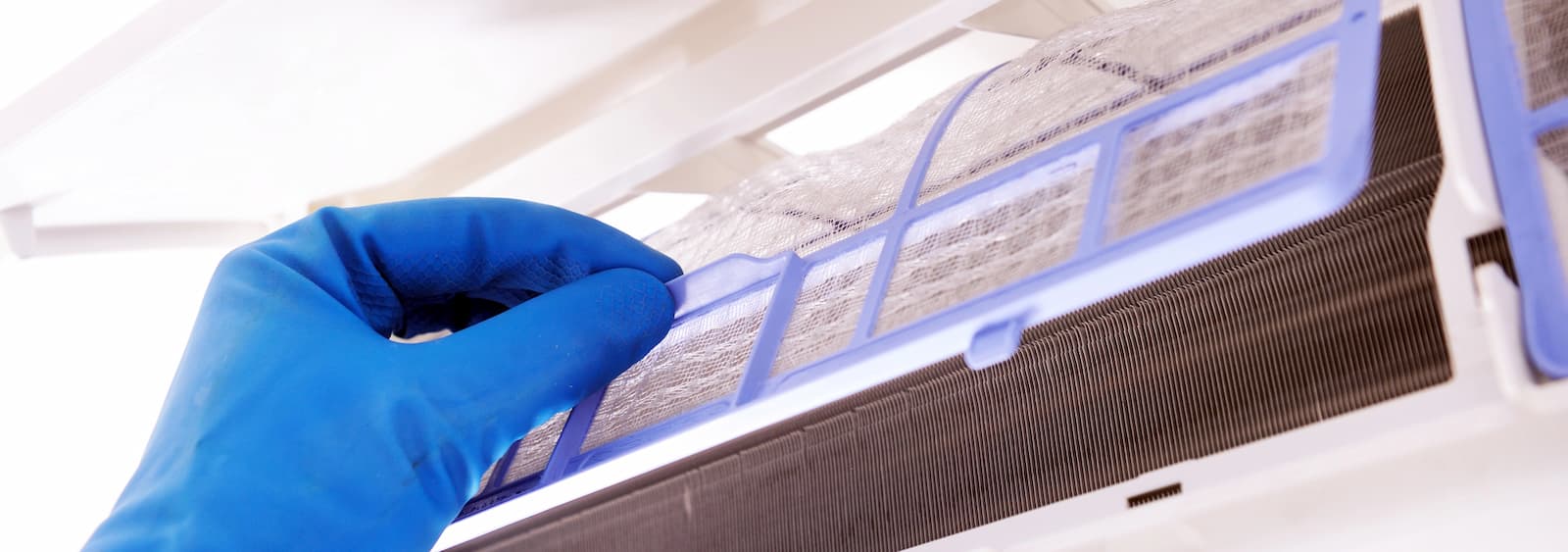
Professional odor remediation in Westminster, CO addresses persistent smells from smoke damage, pets, mold, and other sources by targeting root causes rather than masking them. Best Option Restoration of Lakewood offers specialized treatment using advanced technology suited to the area's semi-arid climate and housing characteristics.
- The company uses hydroxyl generators, ozone treatment, thermal fogging, and enzyme treatments to neutralize odors at the molecular level. IICRC-certified technicians follow industry standards and provide 24/7 emergency response.
- Westminster's climate - with low humidity, dramatic temperature swings, and seasonal wildfire smoke - causes odors to penetrate deeply into building materials. Older homes from the 1970s-1980s present unique challenges due to original carpeting and aging HVAC systems.
- The service includes thorough documentation for insurance claims or real estate transactions, with air quality testing before and after treatment to verify results.
Odor remediation is a professional service that eliminates persistent smells from homes and businesses by addressing the root cause rather than masking symptoms. Technicians use specialized equipment and techniques to identify odor sources - whether from smoke damage, pet accidents, or mold - and neutralize them at the molecular level for permanent removal.
Overview
Persistent odors in your Westminster home or business can transform a comfortable space into an unpleasant environment that affects your daily life. Whether you're dealing with smoke damage, pet accidents, mold-related mustiness, or mysterious smells that won't disappear despite repeated cleaning attempts, professional odor remediation addresses the root cause rather than simply masking symptoms.
Odor remediation involves identifying odor sources, neutralizing odor-causing molecules at the molecular level, and restoring indoor air quality to healthy standards. Westminster's unique combination of semi-arid climate, seasonal temperature swings, and diverse housing stock creates conditions where odors can become trapped in building materials and HVAC systems.
- Complete source identification using advanced detection equipment
- Molecular-level odor neutralization rather than temporary masking
- Treatment of porous materials including carpets, drywall, and wood framing
- HVAC system cleaning to prevent odor recirculation throughout your property
Common Issues in Westminster, CO
When Odor Problems Peak in Westminster
Melting snow reveals pet waste, dead animals, and moisture-related odors that accumulated over winter.
High temperatures intensify garbage, pet, and organic odors while humidity from afternoon storms promotes mold and mildew smells.
Homeowners prepare for holiday gatherings and want to eliminate cooking, pet, and smoke odors before hosting guests.
Westminster's position along the Front Range creates specific odor challenges that residents encounter throughout the year. The city's semi-arid climate means indoor humidity levels fluctuate dramatically between seasons, allowing odors to penetrate deeply into building materials during dry periods and then release intensely when moisture levels rise.
Seasonal wildfires in Colorado deposit smoke particles that infiltrate homes through even small gaps in building envelopes. These particles settle into soft furnishings, ductwork, and insulation, creating lingering smoke odors that can persist for months without professional intervention.
Local Factors Contributing to Odor Problems
- Wildfire smoke infiltration during summer and fall fire seasons
- Pet odor accumulation in homes with multiple animals – common in Westminster's pet-friendly communities
- Mold and mildew development in basements during spring snowmelt
- Cooking odors becoming trapped in older homes with inadequate ventilation
- Sewage backup odors from aging municipal infrastructure in established neighborhoods
- Cannabis odors in multi-family housing units requiring specialized treatment
Warning signs that indicate professional odor remediation is needed include odors that return after cleaning, smells that intensify during HVAC operation, visible staining accompanying the odor, and respiratory irritation when spending time in affected areas.
How Best Option Restoration of Lakewood Can Help
Our odor remediation process begins with thorough investigation rather than immediate treatment. Applying the wrong remediation method to an unidentified odor source wastes time and money while potentially making the problem worse.
Our Step-by-Step Remediation Process
- Initial assessment using thermal imaging, moisture meters, and air quality testing to locate odor sources
- Development of a customized treatment plan based on odor type, affected materials, and property characteristics
- Source removal or treatment – addressing the actual cause rather than symptoms
- Application of appropriate neutralization technology matched to the specific odor compounds
- Treatment of affected building materials including soft goods, porous surfaces, and structural elements
- HVAC system cleaning and treatment to prevent odor recirculation
- Air quality verification testing to confirm successful remediation
- Follow-up inspection to verify long-term results
Technologies and Techniques We Employ
- Hydroxyl generators for safe, occupied-space treatment
- Ozone treatment for severe contamination in unoccupied structures
- Thermal fogging for smoke odor penetration into building cavities
- Enzyme treatments for biological odors from pets, sewage, or decomposition
- HEPA air scrubbing for particulate removal
Throughout the process, we maintain clear communication about progress, challenges encountered, and timeline adjustments. You'll receive updates at each phase and have direct access to your project manager for questions.
Insurance & Documentation
Odor remediation following fire, water damage, or other covered events often qualifies for insurance coverage. We work directly with insurance adjusters to document the scope of contamination and necessary remediation steps.
Documentation We Provide
- Detailed photographic evidence of odor sources and affected areas
- Air quality testing results before and after treatment
- Moisture readings and thermal imaging documentation
- Itemized scope of work with industry-standard pricing
- Treatment protocols and products used
- Completion certificates for your records
Our team holds IICRC certification in odor control and follows S520 and S500 standards for contamination assessment. This certification ensures our documentation meets insurance industry requirements and supports your claim throughout the process.
For non-insurance situations such as real estate transactions or tenant turnover, we provide comprehensive reports suitable for property records and disclosure requirements.
Why Choose Best Option Restoration of Lakewood
Our technicians receive ongoing training in odor science – understanding how different compounds behave, which treatment methods work for specific situations, and how Westminster's climate affects remediation approaches. This expertise means faster results and fewer callbacks.
We maintain 24/7 availability because odor emergencies don't follow business hours. Sewage backups, fire damage, and biohazard situations require immediate response to prevent odors from becoming permanently embedded in building materials.
- IICRC-certified technicians with specialized odor control training
- Investment in commercial-grade equipment including hydroxyl generators and thermal foggers
- Local knowledge of Westminster building types and common odor challenges
- Transparent pricing with detailed estimates before work begins
- Satisfaction verification through post-treatment air quality testing
Our local presence means faster response times and familiarity with the specific challenges Westminster properties face – from 1970s-era tract homes to modern construction.
Housing Characteristics & Odor Remediation Considerations
Westminster's housing stock reflects several distinct development periods, each presenting unique odor remediation challenges. The city experienced significant growth during the 1970s and 1980s, meaning a substantial portion of homes are now 40-50 years old. These properties often feature construction materials and techniques that complicate odor treatment.
Common Housing Types and Their Challenges
- Single-family homes from the 1970s-1980s with original carpeting, popcorn ceilings, and fiberglass insulation that absorb and retain odors
- Townhomes and condominiums with shared walls where odors migrate between units
- Newer construction in developments like Bradburn and Orchard Town Center with tighter building envelopes that trap odors inside
- Split-level and bi-level designs common in Westminster that create airflow patterns concentrating odors in lower levels
Average home sizes in Westminster range from 1,400 to 2,200 square feet, with many properties featuring finished basements. These below-grade spaces are particularly susceptible to moisture-related odors and require specialized treatment approaches that account for limited ventilation and concrete construction.
Older homes often contain original HVAC ductwork that has accumulated decades of dust, pet dander, and odor-causing particles. Complete odor remediation in these properties typically requires duct cleaning as part of the overall treatment plan.
Environmental Conditions & Odor Remediation Implications
Westminster sits at approximately 5,300 feet elevation with an average annual humidity of just 40-50%. This semi-arid environment means odor molecules behave differently than in humid climates – they penetrate more deeply into porous materials during dry periods and release more intensely when humidity rises during spring and summer.
Climate Factors Affecting Odor Remediation
- Temperature swings of 30-40 degrees in a single day cause building materials to expand and contract, releasing trapped odors
- Low winter humidity allows smoke and cooking odors to penetrate deeply into wood, drywall, and insulation
- Spring snowmelt raises basement humidity, activating dormant mold and mildew odors
- Summer ozone alerts indicate air quality conditions that can intensify certain odor compounds
Westminster's water supply comes from Standley Lake and is treated by the city's water treatment facility. While water quality is generally good, older homes with galvanized pipes may experience sulfur-like odors from pipe corrosion – a situation requiring both plumbing assessment and odor treatment.
Soil composition in Westminster includes significant clay content, which affects drainage around foundations. Poor drainage contributes to basement moisture problems and associated musty odors that require addressing the moisture source alongside odor treatment.
Population Characteristics & Odor Remediation Considerations
Westminster's population of approximately 115,000 residents creates diverse odor remediation needs across different neighborhoods and property types. The city's suburban character means most residents own single-family homes, but significant rental populations exist in multi-family developments along major corridors.
Demographic Factors Influencing Service Needs
- Median household income around $75,000 supports investment in property maintenance and restoration
- Growing population of young families with children increases demand for safe, non-toxic odor treatment methods
- Significant pet ownership rates create ongoing need for pet odor remediation services
- Aging population in established neighborhoods may delay addressing odor issues until selling or health concerns arise
- Cultural diversity brings varied cooking practices that can create persistent odors requiring specialized treatment
Westminster's workforce includes many professionals commuting to Denver and Boulder, meaning homes often sit vacant during business hours. This creates opportunities for treatment methods requiring unoccupied spaces, but also means odor problems may develop unnoticed until they become severe.
The rental market in Westminster creates specific odor remediation demands during tenant turnover. Property managers and landlords regularly require smoke, pet, and general odor remediation to prepare units for new occupants within tight timelines.
Air Quality Conditions in Westminster
Westminster's air quality directly impacts indoor odor conditions and remediation approaches. The city experiences periodic air quality alerts, particularly during summer ozone season and wildfire events that affect the entire Front Range region.
Local Air Quality Statistics and Trends
- Westminster averages 15-25 days per year with air quality index readings above 100 (unhealthy for sensitive groups)
- Wildfire smoke events have increased in frequency over the past decade, with 2020 and 2021 seeing record-breaking smoke exposure
- Ground-level ozone concentrations peak during July and August, affecting indoor air quality in homes with poor sealing
- Particulate matter levels rise significantly during winter temperature inversions, trapping pollutants at ground level
These air quality conditions mean Westminster homes regularly experience infiltration of outdoor pollutants that contribute to indoor odor problems. Smoke particles from wildfires are particularly problematic because they contain hundreds of chemical compounds that create persistent, complex odors.
The Colorado Department of Public Health and Environment monitors air quality at stations throughout the metro area, including locations near Westminster. Data from these stations shows that fine particulate matter (PM2.5) regularly exceeds healthy levels during fire season, with concentrations sometimes reaching 10-20 times normal levels during major smoke events.
For odor remediation, these conditions mean we often address not just isolated odor sources but also accumulated environmental contamination. Homes that experienced smoke infiltration during the 2020 Cameron Peak Fire or 2021 Marshall Fire may still harbor smoke odors in insulation, HVAC systems, and soft goods that require professional treatment to fully eliminate.
Weather & Alerts in Westminster, CO
Current Conditions
Temp: 61°F · Feels like: 60°F
Humidity: 73% · Wind: 6 mph
Emergency Alerts
No active alerts.
Odor Remediation/Elimination in Other Service Areas
Useful Numbers
- Life-threatening emergencies
- 911
- Poison Control
- 1-800-222-1222
- Suicide Prevention Lifeline
- 988
- Police (non-emergency)
- Visit your local police department website
- Fire Department (non-emergency)
- Check the Westminster city website
- City Hall
- Available on the official Westminster government website
- Non-Emergency Services
- Call 311 if available in your area
Always verify numbers from official city/county websites.