
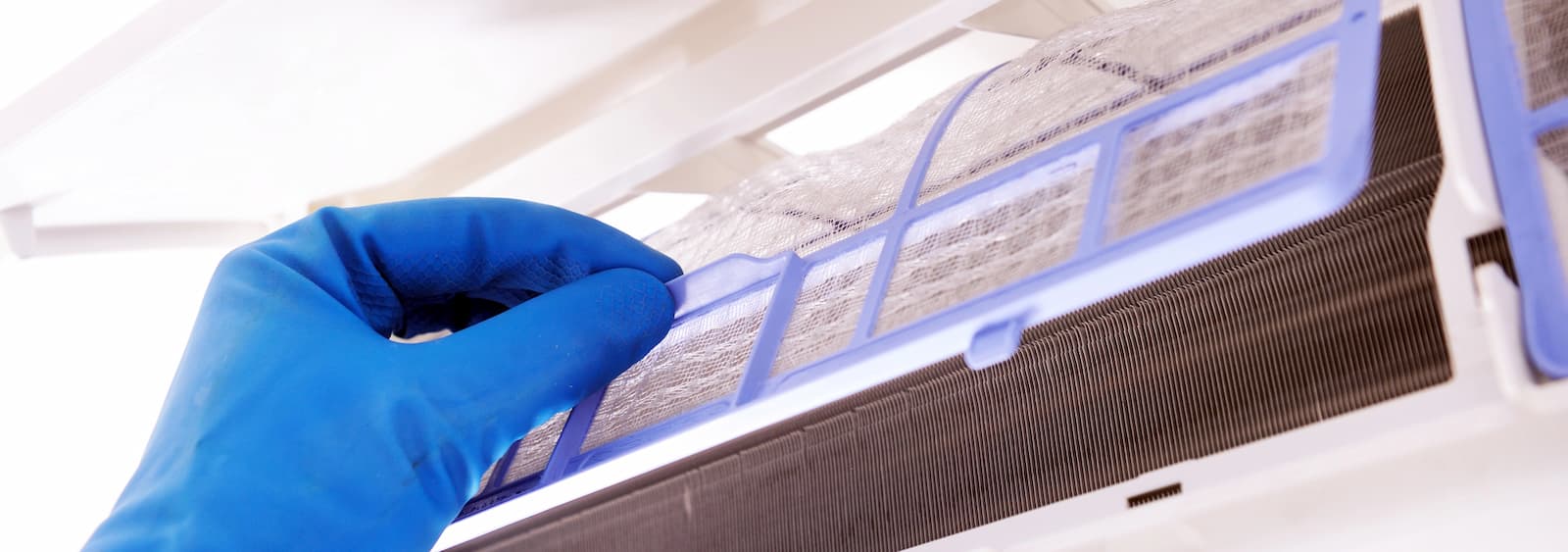
Professional odor remediation in Morrison, CO targets molecular contamination sources rather than masking smells. Best Option Restoration of Lakewood serves this mountain community with specialized techniques adapted for high-altitude conditions and varied building types.
- Nearly 40% of homeowners face persistent odors that resist standard cleaning. Morrison's 5,800-foot elevation and dry air create unique challenges where smoke, pet dander, and biological odors linger longer than in humid regions.
- Common local odor sources include wildfire smoke infiltration, wildlife in crawl spaces and attics, septic system issues, wood-burning stove residue, and moisture intrusion during spring snowmelt.
- The remediation process includes source identification using thermal imaging and air quality testing, deep cleaning, professional-grade neutralizers, ozone or hydroxyl treatments, and final verification testing. IICRC-certified technicians handle insurance documentation and work with varied building types from historic structures to modern homes.
Odor remediation is the professional process of identifying and eliminating persistent smells that resist standard cleaning methods. In Morrison, CO, this service is particularly necessary because the mountain community's unique environmental conditions create stubborn odor challenges. Professional odor elimination addresses underlying issues that cause unwanted smells in homes and businesses, restoring fresh indoor air quality.
Overview
Nearly 40% of homeowners report persistent odors that resist standard cleaning methods – a statistic that climbs even higher in mountain communities like Morrison, CO, where unique environmental conditions create stubborn smell challenges. When unwanted odors infiltrate your home or business, they do more than create discomfort; they signal underlying issues that demand professional attention.
Odor remediation involves far more than masking unpleasant smells with air fresheners. Professional odor elimination targets the molecular source of contamination, breaking down organic compounds and neutralizing airborne particles that embed themselves in porous materials. This scientific approach addresses odors at their origin rather than temporarily covering them up.
- Complete source identification using advanced detection equipment
- Targeted treatment protocols customized for specific odor types
- Restoration of indoor air quality to healthy, neutral conditions
- Prevention strategies to stop odor recurrence
Morrison's high-altitude environment, with its lower humidity and dramatic temperature swings, creates distinct challenges for odor control. The town's blend of historic structures and mountain cabins means varied building materials that absorb and retain smells differently than typical suburban construction.
Common Issues in Morrison, CO
Seasonal risk calendar for Odor Remediation/Elimination in Morrison, CO
Based on local patterns and building stock, the months below tend to see the most calls.
Morrison sits at approximately 5,800 feet elevation along Bear Creek, creating a microclimate that influences how odors develop and persist. The semi-arid mountain air – while refreshing – means that smoke, pet dander, and biological odors don't dissipate as readily as they might in more humid regions. Dry air allows particulate matter to remain suspended longer, eventually settling into carpets, upholstery, and wall cavities.
Wildlife activity presents another common odor source for Morrison residents. The town's proximity to open space and foothills means encounters with skunks, rodents, and other animals are frequent. When wildlife enters crawl spaces, attics, or wall voids, the resulting biological contamination creates persistent smells that require professional intervention.
Local Factors Contributing to Odor Problems
- Wildfire smoke infiltration during summer months – residual smoke odors penetrate building materials and HVAC systems
- Septic system issues common in properties outside municipal sewer service areas
- Moisture intrusion during spring snowmelt leading to mold and mildew growth
- Wood-burning stove and fireplace residue accumulating in older homes
- Pet odors intensified by dry indoor air during heating season
- Deceased wildlife in inaccessible building cavities
Warning signs that indicate professional odor remediation is needed include smells that return after cleaning, odors that intensify when HVAC systems operate, visible staining or discoloration on surfaces, and respiratory symptoms that worsen indoors. Seasonal transitions – particularly the shift from winter heating to spring ventilation – often reveal hidden odor problems that developed over colder months.
How Best Option Restoration of Lakewood Can Help
Our odor remediation process begins with thorough investigation rather than guesswork. We identify the exact contamination source before recommending treatment protocols.
Our Step-by-Step Remediation Process
- Comprehensive inspection using moisture meters, thermal imaging, and air quality testing to locate odor sources
- Documentation of affected areas with photographs and detailed notes for treatment planning
- Source removal – addressing the underlying cause whether biological, chemical, or environmental
- Deep cleaning of contaminated surfaces using appropriate methods for each material type
- Application of professional-grade odor neutralizers and encapsulants
- Air scrubbing and filtration to remove airborne particles
- Ozone treatment or hydroxyl generation for penetrating odor elimination
- Final air quality verification and follow-up assessment
Specialized Techniques We Employ
- Thermal fogging – disperses deodorizing agents that penetrate porous materials
- Hydroxyl generators – safe for occupied spaces and effective on organic compounds
- Enzyme treatments – biological solutions that digest organic odor sources
- HEPA filtration – captures microscopic particles contributing to smell
- Vapor modification – alters molecular structure of odor-causing compounds
Throughout the process, we maintain clear communication about what we're finding, what treatments we're applying, and what results you can expect. Our quality control includes post-treatment air testing to verify odor elimination before considering the job complete.
Insurance & Documentation
Odor remediation often connects to larger restoration claims – fire damage, water intrusion, or biohazard situations. Proper documentation becomes critical when working with insurance carriers to secure appropriate coverage for professional odor treatment.
We maintain detailed records throughout every project, creating a clear paper trail that supports insurance claims and demonstrates the scope of work performed.
Documentation We Provide
- Initial assessment reports with photographic evidence of contamination
- Air quality testing results before and after treatment
- Itemized treatment protocols and products used
- Time logs documenting work performed
- Material disposal records for contaminated items
- Final completion reports with verification testing
Our technicians hold certifications from the Institute of Inspection, Cleaning and Restoration Certification (IICRC) in odor control and related disciplines. We follow industry-standard protocols that insurance adjusters recognize, streamlining the claims process for our clients. When odor remediation connects to covered events like fire or water damage, we work directly with your insurance company to coordinate coverage details.
Why Choose Best Option Restoration of Lakewood
Serving the greater Lakewood area – including Morrison and surrounding foothill communities – means we bring specific knowledge of mountain home construction and local environmental challenges to every project. Our technicians understand how altitude affects treatment protocols and adjust our methods accordingly.
We respond rapidly when odor emergencies arise, recognizing that some situations – like sewage backups or deceased animals – require immediate attention. Our availability extends beyond standard business hours because odor problems don't follow convenient schedules.
- IICRC-certified technicians with specialized odor control training
- Commercial-grade equipment including ozone generators, hydroxyl units, and thermal foggers
- Experience with Morrison's unique building stock – from historic structures to modern mountain homes
- Transparent pricing with detailed estimates before work begins
- Follow-up verification to confirm lasting results
We stand behind our work with satisfaction guarantees, returning to address any concerns if odors resurface after treatment. Our goal is complete elimination, not temporary improvement.
Housing Characteristics & Odor Remediation Considerations
Morrison's housing stock reflects its history as one of Colorado's oldest mountain communities, with structures spanning from the late 1800s to modern construction. Many homes date to the 1950s through 1980s, built during periods when the town attracted residents seeking mountain living within commuting distance of Denver. This age range means varied construction methods and materials that each present distinct odor remediation challenges.
Common Building Types and Their Implications
- Historic stone and brick structures – porous masonry absorbs smoke and biological odors deeply
- Log and timber-frame cabins – wood construction retains smells in grain and between logs
- 1970s-era ranch homes – often feature original carpeting and insulation that trap odors
- Hillside construction with exposed foundations – crawl spaces prone to moisture and wildlife intrusion
- Homes with additions spanning multiple decades – mixed materials requiring varied treatment approaches
Average home sizes in Morrison tend toward modest square footage – many properties range from 1,200 to 2,000 square feet – though larger custom homes exist on hillside lots. The compact layouts mean odors spread quickly through living spaces, but also allow for more thorough treatment coverage. Older homes frequently feature original wood paneling, plaster walls, and hardwood floors that require specialized cleaning methods to avoid damage during odor remediation.
Foundation types vary significantly based on terrain. Homes built into hillsides often have partial basements or crawl spaces that trap moisture and become odor sources. These below-grade spaces require particular attention during remediation, as they frequently harbor mold, mildew, or evidence of past water intrusion that contributes to indoor air quality problems.
Environmental Conditions & Odor Remediation Implications
Morrison's position along Bear Creek at the mouth of a mountain canyon creates environmental conditions that directly impact indoor air quality and odor development. The town experiences approximately 300 days of sunshine annually, but also faces significant temperature swings – summer highs in the 90s and winter lows well below freezing. These extremes stress building envelopes and create condensation issues that lead to moisture-related odors.
Environmental Factors Affecting Odor Remediation
- Low humidity (averaging 30-40%) – dry air allows odor particles to remain airborne longer
- Elevation effects – lower atmospheric pressure influences how treatment chemicals disperse
- Wildfire smoke exposure – Front Range communities regularly experience poor air quality during fire season
- Spring runoff and flooding potential along Bear Creek – water damage creates mold and mildew odors
- Rocky, well-draining soils – septic systems common, with potential for failure and sewage odors
Air quality in Morrison generally benefits from mountain breezes and distance from urban pollution sources, but wildfire smoke events dramatically change conditions. During fire season, smoke particles infiltrate homes through every gap and opening, embedding in soft furnishings and HVAC systems. Post-fire smoke odor remediation has become increasingly common as Colorado's fire seasons intensify.
Water quality from the Bear Creek watershed influences homes on well systems differently than those connected to municipal supply. Mineral content and occasional sulfur presence can create odors in plumbing systems that require targeted treatment. Environmental regulations in Jefferson County govern how remediation waste – particularly biohazard materials – must be handled and disposed, and our protocols comply fully with local requirements.
Population Characteristics & Odor Remediation Considerations
Morrison maintains a small-town character with a population hovering around 400-500 permanent residents. This rural-suburban community attracts residents who value mountain living, outdoor recreation access, and historic charm. The demographic profile skews toward established homeowners – many properties have been in families for decades – creating strong investment in property maintenance and preservation.
Population Factors Influencing Service Needs
- High homeownership rates – owners invest in professional restoration rather than temporary fixes
- Affluent demographics – median household incomes above state averages support quality service expectations
- Aging population segment – some longtime residents require assistance navigating restoration processes
- Pet ownership common in mountain communities – animal odors represent frequent service requests
- Vacation and rental properties – absentee owners may discover odor problems after extended periods
- Home-based businesses – professional indoor environments require odor-free conditions
The town's proximity to Red Rocks Amphitheatre brings significant visitor traffic, and some Morrison properties serve as short-term rentals or event venues. These commercial uses demand rapid odor remediation turnaround to avoid lost bookings. Property managers and rental owners represent a distinct client segment with specific timing and documentation needs.
Morrison's tight-knit community means reputation matters significantly. Word-of-mouth recommendations drive service provider selection, and residents expect contractors who understand local conditions and treat properties with appropriate care. The demographic mix of longtime residents and newer arrivals creates varied service expectations – from preserving historic character to implementing modern solutions.
Wildfire Smoke Impact and Indoor Air Quality in Morrison
Jefferson County – including Morrison – has experienced increasing wildfire activity and smoke exposure over the past decade. According to Colorado Department of Public Health data, Front Range communities now average 15-25 days annually with air quality index readings in the unhealthy range, primarily due to wildfire smoke. This represents a significant increase from historical averages and creates substantial demand for professional odor remediation services.
Wildfire Smoke Statistics Relevant to Morrison
- The 2020 fire season produced over 30 days of unhealthy air quality along the Front Range
- Smoke particles as small as 2.5 microns penetrate standard home filtration systems
- Studies show smoke odors can persist in building materials for 6-12 months without treatment
- Jefferson County has experienced multiple evacuations in recent years, with some Morrison-area properties directly impacted
- Insurance claims for smoke damage remediation have increased approximately 40% since 2018 in foothill communities
The concentration of smoke events during summer and fall months creates predictable demand patterns for odor remediation services. Homes with older HVAC systems, inadequate weatherization, or extended periods of open windows during smoke events absorb the highest contamination levels. Properties that served as evacuation staging areas or housed displaced residents may also require remediation.
Beyond wildfire smoke, Morrison's canyon location occasionally traps vehicle exhaust and other pollutants during temperature inversions. These events – while less dramatic than wildfire smoke – contribute to gradual indoor air quality degradation that manifests as persistent, difficult-to-identify odors. Professional air quality testing can identify contamination sources that homeowners might otherwise attribute to normal household smells, enabling targeted remediation that improves both odor conditions and overall indoor air health.
Weather & Alerts in Morrison, CO
Current Conditions
Temp: 72°F · Feels like: 73°F
Humidity: 92% · Wind: 12 mph
Emergency Alerts
- Flood Watch* WHAT...Flash flooding caused by excessive rainfall continues to be possible. * WHERE...Portions of Illinois, including the following areas, Bureau, Carroll, Henry IL, Putnam, Rock Island and Whites...NWS →
Odor Remediation/Elimination in Other Service Areas
Useful Numbers
- Life-threatening emergencies
- 911
- Poison Control
- 1-800-222-1222
- Suicide Prevention Lifeline
- 988
- Police (non-emergency)
- Visit your local police department website
- Fire Department (non-emergency)
- Check the Morrison city website
- City Hall
- Available on the official Morrison government website
- Non-Emergency Services
- Call 311 if available in your area
Always verify numbers from official city/county websites.