
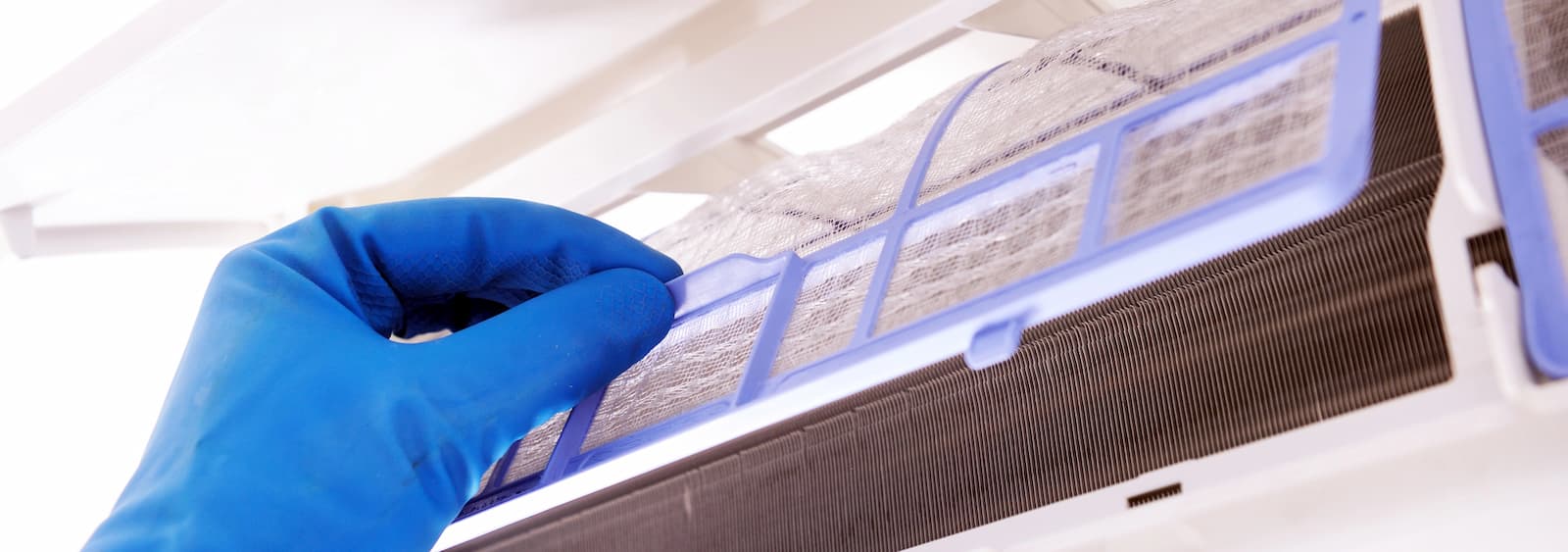
Best Option Restoration of Lakewood provides professional odor remediation services in Federal Heights, CO, using advanced equipment and techniques to identify and eliminate odor sources at the molecular level rather than simply masking smells.
- The company serves all Federal Heights neighborhoods and offers free assessments, 24/7 availability, and IICRC certification. Their process includes detailed inspections using moisture meters and thermal imaging, followed by treatments like hydroxyl generators, ozone, thermal fogging, and enzyme applications.
- Federal Heights homes built in the 1960s through 1980s present unique challenges including original carpeting, aging HVAC ductwork, and crawl spaces that trap odors over decades. The area's semi-arid climate and temperature swings can cause odors to concentrate or reactivate with moisture changes.
- The team provides thorough documentation for insurance claims, including photos, air quality testing results, and itemized work logs. They offer follow-up verification to confirm permanent odor elimination and maintain transparent pricing with no hidden fees.
Odor remediation is a professional process that eliminates persistent smells by targeting their source rather than masking them. Technicians identify where odors have penetrated materials like subflooring, drywall, or carpeting, then use specialized equipment such as ozone generators, hydroxyl machines, or enzyme treatments to break down odor-causing molecules at a molecular level for permanent removal.
Overview
A family in Federal Heights recently discovered their newly purchased home harbored a persistent, musty smell that no amount of cleaning could eliminate. After weeks of frustration with store-bought products and open windows, they learned the odor had penetrated deep into the subfloor from a previous pet situation – a problem requiring professional intervention to truly resolve.
Odor remediation goes far beyond masking unpleasant smells with air fresheners. This specialized service identifies odor sources at the molecular level and eliminates them through targeted treatments, advanced equipment, and proven techniques. Federal Heights' semi-arid climate, with its temperature swings between hot summers and cold winters, creates unique conditions where odors can become trapped in building materials and HVAC systems.
- Complete source identification rather than surface-level treatment
- Permanent elimination of odor-causing compounds and bacteria
- Restoration of healthy indoor air quality for your family
- Protection of property value through thorough remediation
Professional odor elimination matters because DIY approaches typically address symptoms rather than causes. Best Option Restoration of Lakewood brings the equipment, training, and experience necessary to locate hidden odor sources and neutralize them completely – restoring comfort to your Federal Heights home or business.
Common Issues in Federal Heights, CO
When Odor Problems Peak in Federal Heights
Melting snow reveals pet waste, dead animals, and moisture-related odors that accumulated over winter.
High temperatures intensify garbage, sewage, and organic decay odors while humidity promotes mold and mildew growth.
Increased indoor cooking, fireplace use, and closed windows trap smoke and food odors requiring professional remediation.
Best Option Restoration of Lakewood provides Odor Remediation/Elimination services in all neighborhoods of Federal Heights including Countryside Village, Denver Cascade, Friendly Village, Holiday Hills Village, Kimberly Hills, Lamplighter Trailer Park, Redwood Estates, The Lodge, and Tuscan Heights.
Federal Heights sits at approximately 5,300 feet elevation in Adams County, where the high-altitude environment and Denver metro proximity create distinct odor challenges. The region experiences low humidity for much of the year, which can cause odors to concentrate in enclosed spaces. When moisture does enter homes during spring snowmelt or summer storms, it can activate dormant odor sources that seemed resolved.
The community's housing stock, much of it built between the 1960s and 1980s, presents construction characteristics that can harbor persistent smells. Older carpeting, original HVAC ductwork, and aging insulation materials become repositories for odor-causing particles over decades of use.
Local Factors Contributing to Odor Problems
- Temperature fluctuations between day and night cause expansion and contraction in building materials, releasing trapped odors
- Proximity to industrial areas along the I-25 corridor can introduce external odor sources
- Older sewer infrastructure in some neighborhoods leads to occasional drain and pipe odor issues
- Pet ownership rates in the area contribute to animal-related odor situations in rental and resale properties
- Basement and crawl space moisture during spring creates conditions for mold and mildew odors
- Smoke damage from regional wildfires can penetrate homes even miles from fire locations
Warning signs that indicate professional odor remediation is needed include smells that return after cleaning, odors that intensify during heating or cooling cycles, and persistent musty or chemical smells with no identifiable source. If guests notice odors you've become accustomed to, or if respiratory symptoms occur only when inside your property, these signal deeper contamination requiring expert assessment.
How Best Option Restoration of Lakewood Can Help
Our odor remediation process begins with understanding your specific situation and concerns. We listen carefully to when you first noticed the odor, what makes it better or worse, and what you've already tried – this information guides our investigation.
Our Step-by-Step Remediation Process
- Initial consultation and detailed odor assessment to identify type and potential sources
- Comprehensive property inspection using moisture meters, thermal imaging, and air quality testing
- Source identification and documentation with clear explanation of findings
- Customized treatment plan development based on odor type and affected materials
- Implementation of appropriate remediation techniques for your specific situation
- Air quality verification and follow-up inspection to confirm elimination
Treatment Methods We Employ
- Hydroxyl generators for safe, chemical-free odor neutralization
- Ozone treatment for severe contamination in unoccupied spaces
- Thermal fogging to reach odors in porous materials and hidden spaces
- HEPA air filtration to remove airborne odor particles
- Enzyme treatments for biological odor sources
- Sealant application to encapsulate odors in structural materials when removal isn't feasible
Throughout the process, we maintain open communication about what we're finding and doing. You'll receive regular updates and have direct access to your project manager for questions. Our quality control includes post-treatment air quality testing and a follow-up visit to verify the odor hasn't returned – because true remediation means permanent results.
Insurance & Documentation
Odor remediation often connects to insurance claims, particularly when the odor results from covered events like fire, smoke damage, or water intrusion. Proper documentation becomes essential for claim approval and reimbursement.
Our Documentation Practices
- Detailed photographic evidence of odor sources and affected areas
- Written assessment reports identifying contamination type and extent
- Air quality testing results with before and after measurements
- Itemized work logs documenting all remediation activities
- Material safety data sheets for all products used
- Final completion reports suitable for insurance submission
We work directly with insurance adjusters when needed, providing the technical information they require to process claims efficiently. Our team understands the documentation standards insurance companies expect and prepares materials accordingly.
Best Option Restoration of Lakewood maintains IICRC certification – the Institute of Inspection, Cleaning and Restoration Certification – which represents the industry standard for restoration professionals. This certification demonstrates our commitment to established protocols and ongoing education in odor remediation techniques. We also carry comprehensive liability insurance and worker's compensation coverage, protecting both your property and our team throughout the project.
Why Choose Best Option Restoration of Lakewood
Our team brings specialized training in odor identification and elimination that general cleaning services simply don't possess. We invest in commercial-grade equipment – including hydroxyl generators, ozone machines, and thermal foggers – that delivers results residential products cannot achieve.
Local knowledge matters in restoration work. We understand Federal Heights' housing characteristics, common construction methods, and environmental factors that influence odor problems in this community. When you call, you're reaching a local team that can respond quickly – not a national call center routing your request through multiple channels.
- 24/7 availability for urgent odor situations
- Free initial assessments to understand your needs before any commitment
- Clear communication throughout every project phase
- Follow-up verification to ensure lasting results
- Transparent pricing with no hidden fees
We treat every property as if it were our own, recognizing that odor problems affect your daily comfort and quality of life. Our goal isn't just eliminating smells – it's restoring your confidence in your indoor environment.
Housing Characteristics & Odor Remediation Considerations
Federal Heights developed primarily during the suburban expansion of the 1960s through 1980s, with the majority of homes reflecting construction standards and materials from that era. Single-family ranch-style homes and split-levels dominate the landscape, typically ranging from 1,000 to 1,800 square feet. Multi-family units, including apartment complexes and townhomes, comprise a significant portion of the housing stock as well.
Construction Features Affecting Odor Remediation
- Original shag or low-pile carpeting in many homes traps decades of odor particles in padding and subfloor
- Forced-air heating systems with original ductwork distribute and harbor odors throughout properties
- Concrete slab foundations common in the area can absorb and retain moisture-related odors
- Popcorn ceilings and textured walls – popular in mid-century construction – provide surface area for odor absorption
- Older insulation materials in attics and walls may contain odor-trapping particles
Homes built during this period often feature crawl spaces that present unique challenges for odor remediation. These spaces can harbor moisture, pest activity, and organic decay that generate persistent smells throughout the living areas above. The vintage of HVAC systems in many Federal Heights homes also means ductwork may have accumulated decades of dust, pet dander, and other odor sources requiring specialized cleaning.
Properties that have undergone renovations present mixed considerations – updated materials may be easier to treat, but renovation work sometimes seals odor sources behind new walls or flooring, requiring investigative techniques to locate contamination.
Environmental Conditions & Odor Remediation Implications
Federal Heights experiences the semi-arid climate typical of Colorado's Front Range, with annual precipitation averaging around 15 inches and relative humidity often dropping below 30% during winter months. This low-humidity environment affects how odors behave – dry conditions can cause odor compounds to become airborne more readily, while sudden moisture introduction can activate dormant biological odors.
Climate Factors Influencing Odor Behavior
- Temperature swings of 30-40 degrees between day and night cause building materials to expand and contract, releasing trapped odors
- Spring snowmelt introduces moisture into basements and crawl spaces, activating mold and mildew growth
- Summer afternoon thunderstorms can cause rapid humidity spikes that affect odor intensity
- Dry winter air allows smoke and cooking odors to penetrate porous materials more deeply
- Chinook winds can introduce external odors and dust into homes through gaps and ventilation
Air quality in the Denver metro area, including Federal Heights, occasionally experiences elevated ozone levels and particulate matter from vehicle emissions and regional wildfire smoke. These external pollutants can enter homes and contribute to indoor odor issues, particularly in properties with older windows or inadequate weatherization.
The clay-heavy soils common in Adams County affect drainage around foundations, potentially contributing to moisture intrusion that leads to musty basement odors. Properties with poor grading or aging foundation seals may experience seasonal odor intensification as groundwater levels fluctuate. Understanding these environmental patterns helps us time treatments appropriately and recommend preventative measures for lasting results.
Population Characteristics & Odor Remediation Considerations
Federal Heights is a compact, densely populated community of approximately 13,000 residents within just over one square mile. This urban density means properties sit close together, and odor issues can sometimes affect multiple units or neighboring homes. The community includes a diverse mix of long-term residents who have lived in their homes for decades and newer arrivals, including renters who may inherit odor problems from previous occupants.
Demographic Factors Affecting Service Needs
- Moderate household incomes mean cost-effective solutions matter – we work to address problems thoroughly the first time
- High rental population creates turnover situations where odor remediation is needed between tenants
- Diverse cultural backgrounds bring varied cooking practices that can create persistent kitchen odors
- Working families often need flexible scheduling for remediation appointments
- Elderly residents on fixed incomes may have deferred maintenance contributing to odor accumulation
The community's economic profile includes many service industry and retail workers, along with residents employed in nearby industrial and logistics facilities. This working-class character means practical, reliable service matters more than premium aesthetics – people need their odor problems solved efficiently so they can return to normal life.
Property investors and landlords in Federal Heights frequently need odor remediation services when preparing units for new tenants. Pet odors, smoke contamination, and general accumulated smells can make properties difficult to rent without professional treatment. We work with property managers to provide efficient turnaround times that minimize vacancy periods while ensuring thorough odor elimination that protects their investment and satisfies future tenants.
Indoor Air Quality Concerns in Federal Heights
Indoor air quality directly connects to odor remediation – persistent smells often indicate air quality problems that affect health and comfort. Federal Heights residents face specific indoor air quality challenges related to the community's location, housing stock, and environmental conditions.
Local Air Quality Statistics and Factors
- Adams County occasionally exceeds EPA ozone standards during summer months, with pollutants entering homes through ventilation
- Proximity to I-25 and I-76 corridors exposes nearby properties to vehicle exhaust particulates
- Regional wildfire seasons have increased in intensity, with smoke events affecting indoor air quality even when fires burn hundreds of miles away
- Older homes in the area may contain materials that off-gas volatile organic compounds contributing to odors and air quality issues
- Radon levels in Colorado are among the highest nationally, and radon mitigation systems can affect how odors move through buildings
The Colorado Department of Public Health and Environment monitors air quality throughout the Denver metro region, and Federal Heights falls within monitoring zones that track particulate matter, ozone, and other pollutants. During high pollution days, residents are advised to limit outdoor activity – but indoor air quality depends heavily on building conditions and filtration systems.
Odor remediation often reveals underlying air quality issues that property owners weren't aware of. Mold growth causing musty smells also releases spores affecting respiratory health. Smoke odors indicate particulate contamination that can trigger asthma and allergies. Pet odors may accompany dander accumulation that affects sensitive individuals. By addressing odors at their source, we simultaneously improve the overall air quality in your Federal Heights home or business.
Our remediation approach includes air quality testing before and after treatment, giving you measurable data about improvements. We can also recommend ongoing air quality maintenance strategies appropriate for Federal Heights' environmental conditions, helping you maintain the healthy indoor environment our work establishes.
Weather & Alerts in Federal Heights, CO
Current Conditions
Temp: 66°F · Feels like: 65°F
Humidity: 57% · Wind: 6 mph
Emergency Alerts
No active alerts.
Odor Remediation/Elimination in Other Service Areas
Useful Numbers
- Life-threatening emergencies
- 911
- Poison Control
- 1-800-222-1222
- Suicide Prevention Lifeline
- 988
- Police (non-emergency)
- Visit your local police department website
- Fire Department (non-emergency)
- Check the Federal Heights city website
- City Hall
- Available on the official Federal Heights government website
- Non-Emergency Services
- Call 311 if available in your area
Always verify numbers from official city/county websites.