

Persistent odors that return after cleaning indicate hidden sources in walls, subfloors, or HVAC systems that require professional remediation rather than DIY methods.
- DIY cleaning works for fresh, visible spills on hard surfaces like cooking odors or pet accidents on tile. Professional help is needed when smells return, spread, or come from materials you cannot access.
- Smoke, sewage, mold, and dead animals inside walls require trained crews with specialized equipment like thermal fogging and hydroxyl generators. These odors involve health risks or particles embedded in building materials.
- Waiting to address odor problems increases damage and costs since mold spreads and materials rot over time. Early intervention removes less material and saves money.
You should call a professional for odor remediation when a smell keeps returning after cleaning. This indicates the source is hidden inside drywall, subfloors, or your HVAC system where DIY methods cannot reach. Persistent odors signal that the problem requires specialized equipment and expertise to locate and eliminate the source completely.
A smell that keeps coming back after you clean is a warning sign. It means the source is still there, hidden inside drywall, subfloors, or your HVAC system. That is the moment DIY stops working and professional odor remediation starts making sense.
This article breaks down which odors you can handle yourself and which ones require trained help. You will get concrete scenarios, clear thresholds, and the reasoning behind each decision.
DIY vs. Professional Odor Remediation: The Core Difference
DIY odor removal masks or removes surface smells. Professional odor remediation removes the source and treats materials you cannot reach.
A candle covers a smell. An enzyme cleaner breaks down a fresh spill. Neither reaches smoke residue trapped inside insulation or bacteria growing under a subfloor.
Here is a side-by-side breakdown:
- DIY works when: the source is visible, recent, and on a hard surface you can scrub.
- Professionals are needed when: the smell returns, spreads, or comes from materials you cannot open or replace.
Odors You Can Usually Handle Yourself
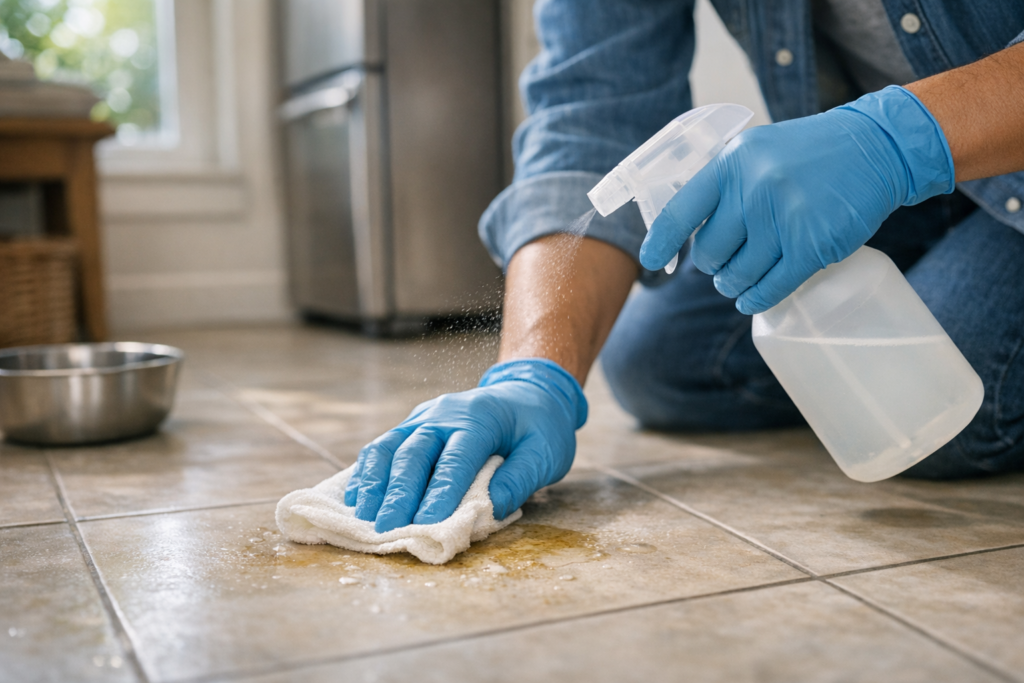
Most everyday smells respond to basic cleaning and airflow. You do not need to call anyone for a spilled glass of milk or a gym bag left in the closet.
- Cooking odors from a single meal — open windows and run an exhaust fan.
- Fresh pet accidents on tile or sealed floors — enzyme cleaner within 24 hours.
- Musty closet smells from poor airflow — a dehumidifier and ventilation.
- Garbage odors — remove the source and clean the bin.
The rule is straightforward. If you can find and remove what stinks, you can handle it.
When to Call a Professional for Odor Remediation
Call a professional when the odor has soaked into building materials or its source poses a health risk. Certain smells signal problems that a mop and spray bottle cannot fix.
1. Smoke and Fire Odors
Smoke odor requires professional odor remediation almost every time. Smoke particles are microscopic and lodge inside porous materials.
After a kitchen fire, the smell hides in drywall, insulation, and ductwork. Wiping visible soot leaves the odor behind. It returns every time humidity rises.
Restoration crews use thermal fogging and hydroxyl generators. Both reach places you cannot open. Painting over smoke damage without treatment traps the smell for years.
2. Sewage and Contaminated Water
Sewage odor points to a biohazard, not just a smell. Bacteria and pathogens make this a health matter.
A backed-up toilet or basement sewage line contaminates flooring, baseboards, and wall cavities. The odor is a symptom of active bacterial growth. Cleaning the surface does nothing to the material underneath.
Trained crews remove affected materials, disinfect the area, and verify the space is safe. This is not a job for a wet vacuum.
3. Mold and Persistent Musty Smells
A musty smell that will not leave means mold is growing somewhere you cannot see. The odor comes from gases that mold releases as it feeds.
Common hidden spots include:
- Behind bathroom tile and drywall
- Under carpet padding after a slow leak
- Inside HVAC ducts and drip pans
- Below sinks with old plumbing seals
Spraying bleach on a visible spot ignores the colony inside the wall. Removing the smell for good means finding the moisture source and the mold behind it.
4. Dead Animal Odors Inside Walls or Vents
A rodent that dies inside a wall creates a smell no air freshener defeats. The odor lasts weeks and grows stronger before it fades.
Locating the carcass means opening the right wall cavity. Removing it means cleaning the fluids and residue left behind. Guessing wrong leaves the source in place.
5. Cigarette Smoke in a Home You Just Bought
Years of cigarette smoke bond to every surface in a house. New owners scrub walls and still smell it on humid days.
Nicotine residue coats walls, ceilings, and inside cabinets. Effective home odor removal here requires sealing surfaces and treating the air. A single cleaning cannot pull decades of buildup out of the drywall.
Warning Signs That DIY Has Failed
Certain patterns tell you the smell is beyond home methods. Watch for any of the following:
- The odor returns within hours or days of cleaning.
- The smell gets stronger when humidity or temperature rises.
- You cannot locate the source after checking obvious spots.
- Family members report headaches or irritation near the smell.
- The odor spreads to rooms far from where it started.
Any one of these means the source is embedded or spreading. That is your signal to bring in trained help.
What Professional Odor Remediation Involves
Professional odor remediation is source removal plus air and material treatment. It is not a stronger version of home spraying. The steps target odor at a molecular level.
Finding and Removing the Source
Crews inspect with moisture meters and thermal cameras. They open wall cavities, lift flooring, and check ductwork. Removing the smell starts with removing what causes it.
Treating the Air and Surfaces
Once the source is gone, equipment neutralizes remaining particles:
- Hydroxyl generators break down odor molecules in the air.
- Ozone treatment handles severe smoke and organic odors in empty spaces.
- Thermal fogging pushes deodorizer into the same pores smoke entered.
- Air scrubbers with HEPA and carbon filters pull particles out of circulation.
Home air fresheners cannot match this equipment. The difference is reaching particles you cannot touch.
Verifying the Odor Is Gone
A finished job means the smell does not come back. Crews recheck the space after treatment and test for lingering issues. Home odor removal rarely includes this verification step.

 Posted on Google
Why Waiting Costs More
Odor problems grow when ignored. A small sewage smell today can mean rotted subfloor next month. Mold spreads across framing while you keep spraying the surface.
Early professional odor remediation removes less material and costs less. A delayed call means demolition of drywall, flooring, and insulation that could have been saved.
Key Takeaways
Handle fresh, visible, surface-level smells yourself with cleaning and airflow. Call for professional odor remediation when smoke, sewage, mold, dead animals, or returning odors are involved. A smell that comes back after cleaning means the source is hidden and needs trained equipment to remove.
Best Option Restoration in Lakewood handles smoke, sewage, mold, and stubborn odor problems that home methods cannot fix. Call or text 303-500-3187, email info@borlakewood.com, or visit https://borlakewood.com to schedule an inspection.
Sources
- EPA – Mold Cleanup in Your Home
- CDC – Basic Facts about Mold and Dampness
- EPA – Ozone Generators That Are Sold as Air Cleaners