
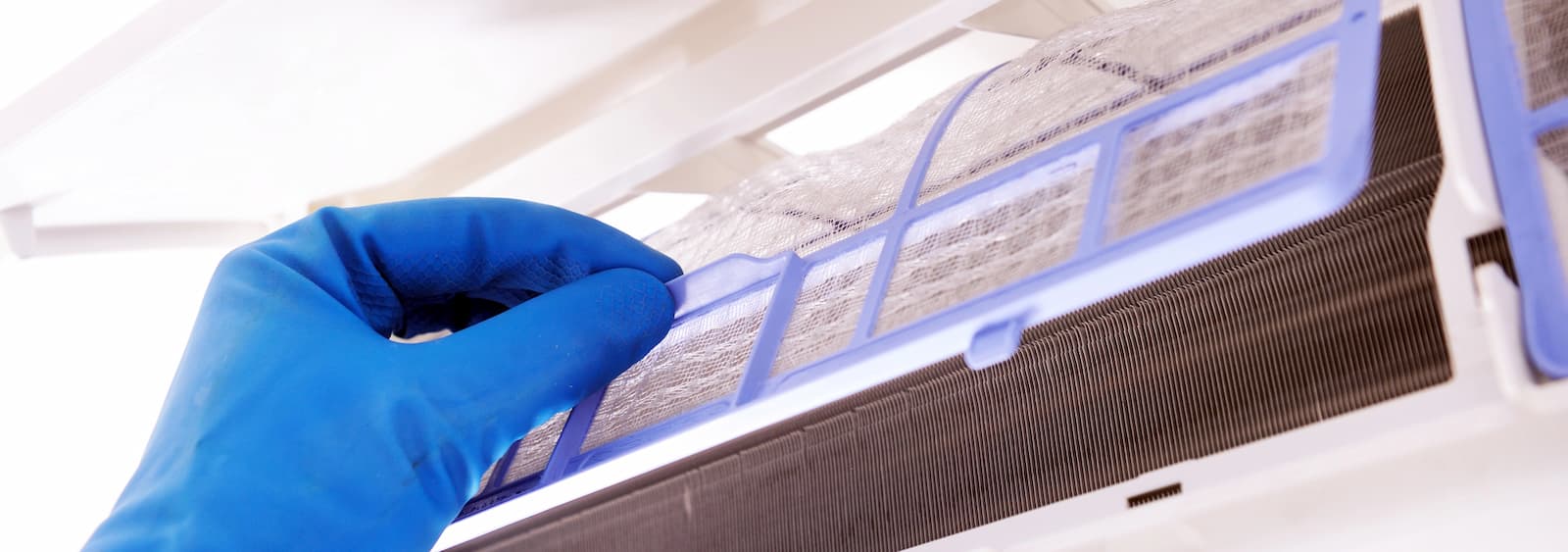
Best Option Restoration of Lakewood provides professional odor remediation services in Glendale, CO, targeting odor sources at the molecular level rather than masking them with temporary fragrances.
- The company uses specialized equipment including hydroxyl generators, ozone treatment, thermal fogging, and enzymatic treatments to eliminate odors from smoke, pets, mold, cooking, and biological sources.
- Glendale's dense urban environment and mix of commercial and residential properties creates unique odor challenges, with shared ventilation systems allowing smells to migrate between units.
- Colorado's semi-arid climate and low humidity cause odors to linger longer in porous materials, requiring treatment strategies that account for seasonal variations and building construction types.
Professional odor remediation and elimination is a specialized service that targets the source of unwanted smells in properties rather than simply masking them with temporary fragrances. This process addresses underlying issues that surface cleaning cannot resolve, treating persistent odors caused by smoke, water damage, mold, pets, or other sources to restore fresh, clean indoor air quality.
Overview
Persistent odors in your Glendale property signal more than an unpleasant atmosphere – they often indicate underlying issues that surface cleaning cannot address. Best Option Restoration of Lakewood specializes in professional odor remediation and elimination services that target the source of unwanted smells rather than simply masking them with temporary fragrances.
Odor remediation involves identifying the origin of offensive smells, treating affected materials at the molecular level, and implementing solutions that prevent recurrence. This process requires specialized equipment, professional-grade treatments, and expertise in understanding how odors penetrate different building materials. Glendale's unique position as a compact urban enclave within the Denver metro area – combined with its mix of commercial and residential properties – creates distinct odor challenges that demand professional intervention.
- Complete source identification using advanced detection methods
- Molecular-level treatment that eliminates odors rather than covering them
- Customized approaches for Glendale's diverse property types
- Long-term solutions designed for Colorado's semi-arid climate conditions
Common Issues in Glendale, CO
When odor problems peak in Glendale
Rising temperatures intensify trapped odors in homes and vehicles, especially from organic sources and moisture-related issues.
Melting snow reveals pet waste, dead animals, and moisture damage that accumulated over winter months.
Increased cooking, guests, and closed-up homes during cold weather lead to lingering odor concerns before entertaining.
Best Option Restoration of Lakewood provides Odor Remediation/Elimination services in all neighborhoods of Glendale including Bristol Square, Chaparral, College Park, Greenbriar, Montara, Roles Inn of America, Saddlehorn Ranch, San Miguel, Santa Maria, Sunset Vista, The Citadel, Village Park, Wellington Court, WillowBrook II, Windsor Square, and Woodridge VI.
Glendale's distinctive character as one of Colorado's smallest incorporated cities – spanning just over one square mile – creates concentrated odor challenges. The city's dense mix of entertainment venues, restaurants, retail establishments, and residential units means odors from commercial activities can affect neighboring properties. This urban density requires specialized approaches that account for shared ventilation systems and close-proximity living.
Colorado's semi-arid climate influences how odors behave in Glendale properties. Low humidity levels can cause certain smells to linger longer in porous materials, while rapid temperature swings between seasons affect how odor molecules interact with building surfaces. Winter heating systems often circulate trapped odors throughout properties, making problems more noticeable during colder months.
- Smoke infiltration from nearby commercial establishments and wildfire seasons
- Pet odors concentrated in apartment complexes and multi-family units
- Mold and mildew smells following water intrusion events
- Cooking odors that penetrate shared walls in dense residential areas
- Vehicle exhaust accumulation in properties near major thoroughfares like Colorado Boulevard
- Decomposition odors from undiscovered animal intrusions or other biological sources
Warning signs that professional odor remediation is needed include smells that return after cleaning, odors that intensify when HVAC systems operate, or situations where guests notice smells that occupants have become nose-blind to over time.
How Best Option Restoration of Lakewood Can Help
Our odor remediation process begins with thorough assessment and ends with verified elimination. We approach each Glendale property systematically to deliver lasting results.
Our Step-by-Step Process
- Conduct comprehensive property inspection using thermal imaging and moisture detection equipment to identify odor sources
- Document all affected areas with detailed photography and written assessments
- Develop customized treatment plan based on odor type, material penetration, and property characteristics
- Remove or treat source materials that harbor odor-causing compounds
- Apply appropriate treatment methods based on odor classification
- Verify elimination through follow-up testing and inspection
- Implement preventative measures to guard against recurrence
Treatment Methods We Employ
- Hydroxyl generator technology for occupied spaces requiring safe, continuous treatment
- Ozone treatment for severe odors in unoccupied properties
- Thermal fogging to penetrate porous materials where odors have absorbed
- Enzymatic treatments for biological odor sources
- HEPA air scrubbing to capture airborne odor particles
- Sealant applications for surfaces where odors cannot be fully extracted
Throughout the process, we maintain clear communication about progress, timeline phases, and any adjustments needed. Our quality control procedures include post-treatment verification to confirm odor elimination before considering the project complete.
Insurance & Documentation
Proper documentation supports insurance claims and creates records for property transactions. Best Option Restoration of Lakewood maintains detailed records throughout every odor remediation project in Glendale.
Our documentation practices include pre-treatment condition assessments, photographic evidence of affected areas, treatment logs specifying methods and products used, and post-treatment verification reports. These records prove valuable for homeowners, landlords, and property managers who need to demonstrate remediation efforts to insurers, buyers, or tenants.
- Detailed initial assessment reports identifying odor sources and affected materials
- Treatment protocols with product specifications and application records
- Progress documentation throughout multi-phase projects
- Final verification reports confirming successful odor elimination
- Compliance documentation for IICRC standards and Colorado regulations
We work directly with insurance adjusters when odor issues stem from covered events such as fire damage, water intrusion, or vandalism. Our team understands claim requirements and provides documentation formatted to support the approval process.
Why Choose Best Option Restoration of Lakewood
Our technicians hold IICRC certifications in odor control and related restoration disciplines. This training ensures we understand the science behind odor elimination – not just surface-level treatment approaches. We invest in commercial-grade equipment that delivers results residential products cannot achieve.
Serving the Denver metro area means we understand Glendale's specific challenges. We recognize how the city's compact urban environment affects odor transmission between properties and how Colorado's climate influences treatment approaches. Our local presence enables rapid response when odor emergencies arise.
- Available around the clock for urgent odor situations
- Free initial assessments with honest recommendations
- Satisfaction-focused approach with follow-up verification
- Locally owned operation invested in community reputation
Housing Characteristics & Odor Remediation Considerations
Glendale's housing stock reflects its evolution from a mid-century suburban community to a modern urban entertainment district. Properties range from 1950s-era single-family homes to contemporary apartment complexes built within the last two decades. This diversity creates varied odor remediation requirements based on construction methods and building materials.
Multi-family housing dominates Glendale's residential landscape, with apartment buildings and condominiums comprising the majority of dwelling units. These properties present unique odor challenges due to shared HVAC systems, common walls, and ventilation pathways that allow odors to migrate between units. Older buildings constructed before modern air sealing practices often have more permeable barriers between living spaces.
- Mid-century homes feature plaster walls and hardwood floors that absorb odors differently than modern drywall and engineered materials
- 1970s-1980s construction often includes materials with higher porosity that trap odor molecules
- Newer apartment complexes use synthetic materials that may resist some odors but trap others
- Mixed-use buildings require treatment approaches that account for commercial odor sources affecting residential units
Understanding these construction differences allows our team to select appropriate treatment methods. Older homes may require more aggressive penetration techniques, while newer buildings benefit from targeted treatments that address specific material types.
Environmental Conditions & Odor Remediation Implications
Glendale sits at approximately 5,400 feet elevation within the Denver metro area, experiencing the Front Range's characteristic semi-arid climate. Annual precipitation averages around 15 inches, with humidity levels often dropping below 30 percent during winter months. These dry conditions affect how odors behave in buildings and influence treatment approaches.
Low humidity causes odor molecules to remain suspended in air longer and penetrate deeper into porous materials. When moisture levels rise during summer monsoon season or following water intrusion events, previously dormant odors can reactivate. This humidity-odor relationship requires treatment strategies that account for seasonal variations in Glendale's climate.
- Wildfire smoke from mountain fires periodically affects Glendale air quality, depositing odor-causing particles on building surfaces
- Temperature swings exceeding 40 degrees in a single day cause materials to expand and contract, releasing trapped odors
- Dry winter air combined with heating system operation circulates and concentrates indoor odors
- Urban location near major roadways contributes to vehicle exhaust accumulation
Our treatment protocols account for these environmental factors. We schedule certain treatments during optimal humidity conditions and recommend preventative measures aligned with Glendale's seasonal patterns to maintain odor-free environments year-round.
Population Characteristics & Odor Remediation Considerations
Glendale's population of approximately 5,000 residents occupies one of Colorado's most densely populated municipalities. The city's compact geography and high-density housing create close-proximity living situations where odors from one unit easily affect neighbors. This population density drives demand for professional odor remediation services that resolve issues without simply transferring problems to adjacent spaces.
The demographic profile includes a significant renter population drawn to Glendale's central location, entertainment options, and access to Denver employment centers. Rental properties often experience more frequent turnover, creating regular demand for odor remediation between tenants. Property managers and landlords represent a substantial portion of our Glendale clientele.
- Young professional demographic often includes pet owners in apartments with limited outdoor space
- Entertainment district workforce creates demand for odor services in properties affected by commercial cooking and smoke
- Diverse population brings varied cooking traditions that can create persistent odors in residential buildings
- Transient population segments may leave properties requiring remediation after extended vacancies
Economic factors in Glendale include a mix of moderate-income residents and those attracted to more affordable housing options within the Denver metro. This economic diversity means we encounter properties across the maintenance spectrum – from well-maintained units needing minor odor treatment to neglected spaces requiring intensive remediation.
Air Quality Factors in Glendale
Glendale's position within the Denver metro area exposes properties to air quality challenges that directly impact indoor odor conditions. The Colorado Department of Public Health and Environment monitors ozone levels, particulate matter, and other pollutants throughout the region – and Glendale residents experience the effects of these atmospheric conditions within their homes and businesses.
The city's location along Colorado Boulevard and Cherry Creek Drive places many properties near high-traffic corridors where vehicle emissions accumulate. During temperature inversions common along the Front Range, pollutants become trapped near ground level, infiltrating buildings and depositing odor-causing compounds on interior surfaces.
- Ozone action days occur multiple times annually, with elevated pollution levels affecting indoor air quality
- Wildfire smoke events have increased in frequency, with particulate matter settling on building surfaces and HVAC components
- Urban heat island effects in developed areas concentrate pollutants and cooking odors from nearby restaurants
- Seasonal pollen and dust storms deposit organic matter that can create musty odors when moisture is present
These air quality factors require odor remediation approaches that address both immediate odor sources and the accumulated deposits from external pollution. Our treatment protocols include HVAC cleaning recommendations, air filtration upgrades, and surface treatments that remove pollutant residues contributing to persistent indoor odors.
Properties near Glendale's entertainment district face additional challenges from commercial kitchen exhaust, tobacco smoke from outdoor areas, and concentrated foot traffic. We help property owners in these areas implement ongoing maintenance strategies that prevent odor accumulation between professional treatments.
Weather & Alerts in Glendale, CO
Current Conditions
Temp: 85°F · Feels like: 84°F
Humidity: 33% · Wind: 7 mph
Emergency Alerts
No active alerts.
Odor Remediation/Elimination in Other Service Areas
Useful Numbers
- Life-threatening emergencies
- 911
- Poison Control
- 1-800-222-1222
- Suicide Prevention Lifeline
- 988
- Police (non-emergency)
- Visit your local police department website
- Fire Department (non-emergency)
- Check the Glendale city website
- City Hall
- Available on the official Glendale government website
- Non-Emergency Services
- Call 311 if available in your area
Always verify numbers from official city/county websites.