
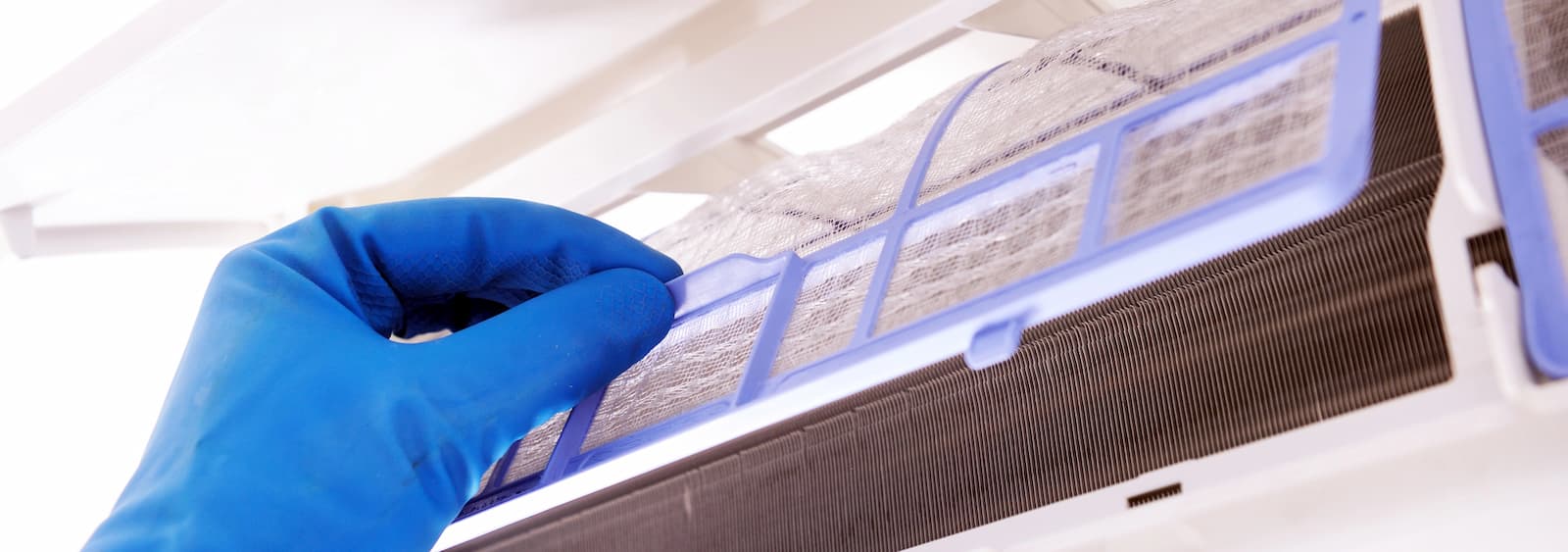
Best Option Restoration of Lakewood provides professional odor remediation services in Thornton, CO, using advanced diagnostic tools and treatment methods to identify and neutralize odor sources at a molecular level rather than simply masking them.
- The company uses thermal imaging, moisture detection, UV light inspection, and air quality sampling to locate odor sources in porous materials, HVAC systems, and structural components. Treatment options include hydroxyl generators, ozone treatment, thermal fogging, and antimicrobial applications.
- Thornton's semi-arid climate, elevation, and seasonal temperature swings create specific odor challenges. Homes from different construction eras have distinct vulnerabilities, from older carpet padding absorbing pet urine to newer energy-efficient homes trapping odors due to reduced ventilation.
- IICRC-certified technicians provide detailed documentation for insurance claims and real estate transactions. Services cover common issues like smoke damage, mold, pet contamination, sewer gas, and cannabis odors across all Thornton neighborhoods.
Odor remediation is a professional process that identifies the source of unwanted smells, treats affected materials at a molecular level, and restores indoor air quality to a fresh, neutral state. Unlike surface cleaning, this method addresses underlying problems causing persistent odors in homes and businesses, providing long-lasting results rather than temporary masking of unpleasant smells.
Overview
Persistent odors in your Thornton home or business signal more than just an unpleasant atmosphere – they often indicate underlying problems that surface cleaning cannot address. Odor remediation involves identifying the source of unwanted smells, treating affected materials at a molecular level, and restoring indoor air quality to a fresh, neutral state.
Professional odor elimination goes far beyond masking scents with air fresheners. Best Option Restoration of Lakewood employs advanced diagnostic tools and treatment methods to neutralize odor-causing compounds embedded in porous materials, HVAC systems, and structural components. Thornton's semi-arid climate and fluctuating humidity levels can trap odors in unexpected ways, making professional assessment essential for lasting results.
- Complete source identification using thermal imaging and moisture detection equipment
- Treatment protocols customized for Thornton's unique environmental conditions
- Neutralization of odor molecules rather than temporary masking
- Restoration of healthy indoor air quality for homes and commercial spaces
Common Issues in Thornton, CO
When odor problems peak in Thornton
Hot temperatures intensify existing odors and accelerate bacterial growth in homes and vehicles.
Melting snow reveals pet waste and debris while moisture activates dormant mold and mildew odors.
Increased cooking, fireplace use, and closed-up homes create lingering smoke and food odors.
Best Option Restoration of Lakewood provides Odor Remediation/Elimination services in all neighborhoods of Thornton including Amber Creek, Burgundy, Eastlake, Fox Run, Holiday Hills Village, Lambertson Lakes, Loma Linda Estates, Marshall Lake, North Hills, Original Thornton, Pine Lakes Ranch, Quebec Highlands, The Grove at Alta Ridge, Wind Dance, Woodland Hills, and York Highlands.
Thornton's position along the Front Range creates specific odor challenges that differ from other Colorado communities. The city's rapid growth over recent decades means properties span multiple construction eras, each with distinct vulnerabilities to odor infiltration and retention.
Seasonal temperature swings play a significant role in odor development. Winter months bring extended periods of closed windows and reduced ventilation, allowing cooking odors, pet smells, and tobacco residue to accumulate in carpeting, drywall, and ductwork. Summer thunderstorms can introduce moisture that triggers mold growth in basements and crawl spaces – a common source of musty odors in Thornton homes.
- Pet urine crystallization in carpet padding and subfloor materials – particularly common in rental properties and homes with older carpeting
- Smoke damage from wildfires that periodically affect Front Range air quality, leaving residue on soft furnishings and HVAC filters
- Sewer gas infiltration through dry P-traps in infrequently used bathrooms, a frequent issue in Thornton's many newer subdivisions with multiple bathrooms
- Rodent contamination in attics and wall cavities, especially in properties bordering open space areas
- Cannabis odor remediation in rental properties and multi-family units
- Decomposition odors from undiscovered animal deaths or, in rare cases, unattended death situations requiring biohazard protocols
Warning signs that indicate professional intervention include odors that return after cleaning, smells that intensify during HVAC operation, or unexplained respiratory irritation among occupants.
How Best Option Restoration of Lakewood Can Help
Our odor remediation process begins with thorough investigation rather than immediate treatment. Eliminating odors permanently requires understanding exactly what's causing them and where the source materials are located.
Assessment and Source Identification
- Initial walkthrough with detailed documentation of affected areas and odor intensity mapping
- Moisture meter readings to identify hidden water damage contributing to musty or mildew odors
- UV light inspection for biological contamination including pet urine and bodily fluids
- HVAC system evaluation to determine if ductwork is distributing odors throughout the property
- Air quality sampling when contamination levels need quantification
Treatment Methods
Based on assessment findings, we deploy targeted treatment strategies:
- Hydroxyl generator technology for occupied spaces – safe for people, pets, and plants while neutralizing airborne odor compounds
- Ozone treatment for unoccupied structures with severe contamination
- Thermal fogging with enzyme-based solutions that penetrate porous materials
- HEPA air scrubbing combined with activated carbon filtration
- Antimicrobial treatments for biological odor sources
- Sealant application to encapsulate odors in materials that cannot be removed
Verification and Follow-Up
Treatment completion includes air quality testing and client walkthrough verification. We provide guidance on preventing odor recurrence and schedule follow-up assessments for complex cases. Communication throughout the process keeps you informed of progress, findings, and any adjustments to the treatment plan.
Insurance & Documentation
Odor remediation often connects to larger restoration claims involving water damage, fire damage, or biohazard situations. Proper documentation supports insurance claims and provides records for property transactions.
Best Option Restoration of Lakewood maintains detailed records throughout every project:
- Photographic documentation of affected areas before, during, and after treatment
- Written assessment reports describing odor sources and contamination extent
- Treatment logs specifying methods, equipment used, and application duration
- Air quality readings and testing results when applicable
- Material disposal documentation for items requiring removal
- Final clearance reports confirming successful odor elimination
Our team holds IICRC certification in odor control and works within industry standards established by the Institute of Inspection, Cleaning and Restoration Certification. We coordinate directly with insurance adjusters, providing the documentation they require for claim processing. For real estate transactions, our reports satisfy disclosure requirements and provide buyers with confidence in property condition.
Why Choose Best Option Restoration of Lakewood
Odor problems demand more than equipment – they require diagnostic skill developed through handling diverse contamination scenarios. Our technicians bring experience with Thornton's specific housing stock and environmental conditions, recognizing patterns that indicate particular odor sources common to this area.
We respond quickly because odors often indicate ongoing contamination that worsens over time. Same-day assessments are available for urgent situations, and we maintain equipment inventory to begin treatment without delays. Our service area coverage means Thornton residents receive the same rapid response as clients closer to our Lakewood base.
- IICRC-certified technicians with specialized odor control training
- Commercial-grade equipment including hydroxyl generators, ozone machines, and thermal foggers
- Transparent communication with detailed explanations of findings and treatment plans
- Follow-up verification to confirm lasting results
Housing Characteristics & Odor Remediation Considerations
Thornton's housing development reflects the city's transformation from agricultural community to major Denver suburb. Properties built during the 1970s and 1980s construction boom feature materials and designs that present specific odor retention challenges. Homes from this era commonly include wall-to-wall carpeting over particle board subfloors – materials notorious for absorbing and holding pet urine, spills, and smoke residue.
The city's newer subdivisions, particularly those constructed after 2000 in areas like Eastlake and North Creek, feature tighter building envelopes designed for energy efficiency. While beneficial for heating and cooling costs, this construction approach reduces natural ventilation and can trap odors inside. These homes often have extensive ductwork systems that distribute contaminated air throughout multiple levels.
- Homes built 1970-1990 frequently have original HVAC systems with accumulated dust and odor residue in ductwork
- Basement finishes common in Thornton homes create enclosed spaces where moisture and mold odors develop undetected
- Attached garages – standard in most Thornton subdivisions – allow vehicle exhaust and stored chemical odors to migrate into living spaces
- Open floor plans in newer construction mean odors spread quickly but also respond well to whole-house treatment approaches
Multi-family properties, including the apartment complexes along Washington Street and 120th Avenue corridors, present unique challenges. Shared walls and ventilation systems can transfer odors between units, requiring coordinated treatment approaches.
Environmental Conditions & Odor Remediation Implications
Thornton sits at approximately 5,350 feet elevation with an average annual humidity around 50% – conditions that influence how odors behave and persist. The semi-arid climate means moisture-related odors often develop suddenly following storm events rather than building gradually as they might in humid regions. When water intrusion occurs, the typically dry conditions can delay visible mold growth while musty odors develop in wall cavities and under flooring.
Air quality in Thornton fluctuates seasonally. Summer months bring ozone alerts and occasional wildfire smoke infiltration from mountain fires. Winter temperature inversions trap pollutants along the Front Range, and these particles settle on interior surfaces, contributing to stale indoor air. The city's position downwind from industrial areas along I-25 and near the Suncor refinery means petroleum-based odors occasionally affect outdoor air quality.
- Low humidity accelerates the drying of biological contamination, causing odor compounds to crystallize in materials rather than dissipate
- Temperature extremes – from below zero winters to 100-degree summer days – cause building materials to expand and contract, potentially releasing trapped odors
- High UV exposure at elevation degrades exterior materials, creating entry points for moisture and pest infiltration
- Clay-heavy soils in many Thornton neighborhoods contribute to foundation moisture issues and associated musty basement odors
These environmental factors inform our treatment protocols. We adjust equipment settings and treatment durations based on current humidity levels and temperature conditions to optimize odor neutralization.
Population Characteristics & Odor Remediation Considerations
Thornton's population exceeds 140,000 residents, making it Colorado's sixth-largest city. The community attracts young families drawn by relatively affordable housing compared to Denver proper, along with established residents who purchased homes during earlier development phases. This demographic mix creates varied odor remediation needs across different property types and ownership situations.
Household income levels in Thornton span a broad range, with median household income around $75,000. Many residents commute to employment centers throughout the metro area, meaning homes sit unoccupied during work hours – a factor that can delay odor detection and allow contamination to spread. The city's significant renter population, particularly in apartment complexes and townhome communities, generates steady demand for move-out odor remediation services.
- Family households with children and pets represent a large segment of Thornton residents, driving demand for pet odor elimination services
- Growing senior population in established neighborhoods may face mobility limitations that delay addressing odor sources
- Cultural diversity brings varied cooking practices, with some cuisines producing strong odors that penetrate soft furnishings and require professional treatment for removal
- Property investors purchasing rental homes often require odor remediation between tenants to maintain property values
Economic considerations influence service decisions. We work with Thornton residents to prioritize treatment approaches that address the most significant odor sources within their budgets, providing options rather than one-size-fits-all solutions.
Indoor Air Quality Factors in Thornton
Indoor air quality directly connects to odor issues, and Thornton faces specific challenges that affect both. The Colorado Department of Public Health and Environment monitors air quality throughout the Front Range, with data showing that ground-level ozone and particulate matter periodically exceed healthy thresholds in the Thornton area. These outdoor pollutants enter homes through ventilation systems, windows, and door gaps, settling on surfaces and contributing to overall indoor air degradation.
Thornton's location within the Denver metropolitan area places it in a region that occasionally fails to meet federal ozone standards during summer months. The combination of vehicle emissions, industrial activity, and geographic conditions that trap pollutants creates air quality challenges that compound indoor odor problems.
- Particulate matter from construction activity – abundant in rapidly developing areas of Thornton – infiltrates homes and accumulates in HVAC systems
- Radon levels in Colorado rank among the highest nationally, and mitigation systems can affect air circulation patterns that influence odor distribution
- Volatile organic compounds from new construction materials, furniture, and household products contribute to indoor air contamination
- Seasonal pollen counts affect HVAC filter loading, reducing system efficiency and allowing odors to circulate more freely
Our odor remediation approach addresses these interconnected factors. Treatment protocols include HVAC cleaning recommendations, air filtration improvements, and guidance on maintaining healthy indoor air quality after odor elimination. We recognize that removing the immediate odor source represents only part of the solution – establishing conditions that prevent odor recurrence requires attention to overall indoor air quality management.
Thornton residents concerned about persistent odors benefit from professional assessment that considers the full picture: the specific odor source, the building's construction and condition, local environmental factors, and indoor air quality fundamentals. This comprehensive approach delivers results that last.
Weather & Alerts in Thornton, CO
Current Conditions
Temp: 61°F · Feels like: 60°F
Humidity: 59% · Wind: 6 mph
Emergency Alerts
No active alerts.
Odor Remediation/Elimination in Other Service Areas
Useful Numbers
- Life-threatening emergencies
- 911
- Poison Control
- 1-800-222-1222
- Suicide Prevention Lifeline
- 988
- Police (non-emergency)
- Visit your local police department website
- Fire Department (non-emergency)
- Check the Thornton city website
- City Hall
- Available on the official Thornton government website
- Non-Emergency Services
- Call 311 if available in your area
Always verify numbers from official city/county websites.