
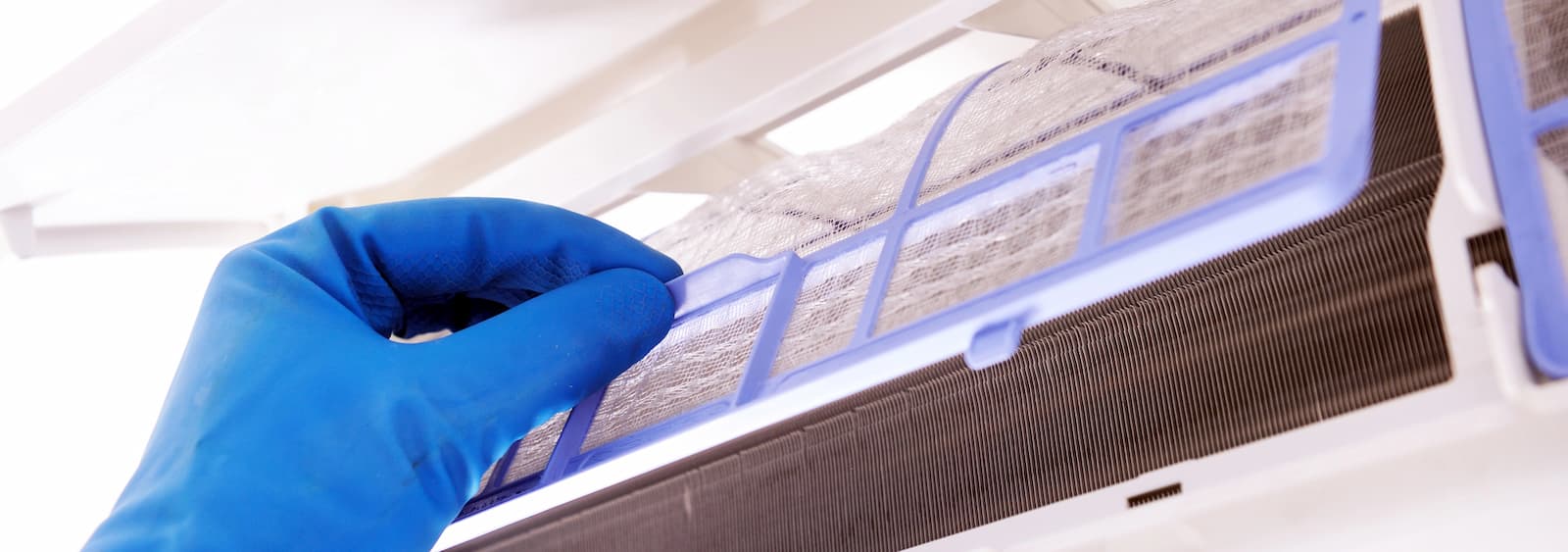
Best Option Restoration of Lakewood provides professional odor remediation services in Edgewater, CO, addressing persistent smells that often indicate deeper issues like hidden moisture problems or mold in the area's older homes.
- The company uses advanced methods including hydroxyl generators, ozone treatment, enzymatic cleaners, and thermal fogging to neutralize odors at the molecular level rather than just masking them.
- Edgewater's housing stock from the 1940s to 1970s presents specific challenges with original ductwork, minimal vapor barriers, and plaster walls that absorb and retain odors differently than modern materials.
- Their IICRC-certified technicians offer 24/7 response and provide thorough documentation for insurance claims, including air quality testing and treatment verification.
Odor remediation is the professional process of identifying and eliminating persistent smells from homes and businesses. In Edgewater, CO, this service is often needed because lingering odors frequently signal deeper problems like hidden moisture damage or mold growth behind walls. Professional intervention addresses the root cause rather than simply masking unpleasant smells with air fresheners.
Overview
A lingering smell greeted the Ramirez family when they returned from vacation to their Edgewater home last spring. Despite scrubbing every surface and opening windows for days, the musty odor persisted. What they discovered was a hidden moisture problem behind their basement walls – something no amount of air freshener could mask. This scenario plays out regularly in homes and businesses throughout Edgewater, where persistent odors often signal deeper issues requiring professional intervention.
Odor remediation goes far beyond masking unpleasant smells. Professional elimination involves identifying the source, neutralizing odor-causing compounds at the molecular level, and restoring indoor air quality to healthy standards. In Edgewater's semi-arid climate with its dramatic temperature swings, homes face unique challenges that can trap and intensify odors over time.
- Complete source identification rather than surface-level treatment
- Molecular-level neutralization using advanced oxidation and enzymatic treatments
- Restoration of healthy indoor air quality verified through testing
- Prevention strategies tailored to Edgewater's specific environmental conditions
Common Issues in Edgewater, CO
When Odor Problems Peak in Edgewater
Melting snow reveals pet waste, dead animals, and moisture-related odors that accumulated over winter.
High temperatures intensify garbage, sewage, and organic decay odors while humidity promotes mold and mildew growth.
Increased cooking, fireplace use, and closed-up homes create lingering smoke and food odors requiring professional remediation.
Best Option Restoration of Lakewood provides Odor Remediation/Elimination services in all neighborhoods of Edgewater including Edgewater, Glencoe, New Smyrna Beach, and Oak Hill.
Edgewater sits in the Denver metropolitan area where the Front Range climate creates specific conditions that contribute to odor problems. The city's location near Sloan's Lake and Clear Creek introduces moisture variables that many residents underestimate. When these water features combine with Colorado's intense sun and rapid temperature changes, homes can develop hidden moisture pockets that breed odor-causing bacteria and mold.
The community's mix of older bungalows and mid-century ranch homes presents particular vulnerabilities. Many properties feature original ductwork and aging HVAC systems that circulate and trap odors throughout living spaces. Basements and crawl spaces in these older structures often lack modern vapor barriers, allowing ground moisture to infiltrate and create persistent musty conditions.
- Smoke odors from wildfire seasons that penetrate building materials and HVAC systems
- Pet odors absorbed into subfloors and carpet padding in rental properties
- Sewage and drain odors from aging municipal infrastructure connections
- Mold and mildew smells from foundation moisture intrusion common in pre-1970s construction
- Cooking odors embedded in porous surfaces of multi-family housing
- Vehicle exhaust infiltration from proximity to major roadways including Sheridan Boulevard
Warning signs that indicate professional remediation is needed include odors that return within days of cleaning, smells that intensify during humid weather, and visible discoloration on walls or ceilings accompanying the odor. Residents should also pay attention to health symptoms like headaches or respiratory irritation that occur primarily at home.
How Best Option Restoration of Lakewood Can Help
Our approach begins with understanding exactly what you're experiencing. We listen carefully to your concerns before conducting any assessment because your observations often provide valuable clues about odor sources and patterns.
Our Step-by-Step Process
- Initial consultation where we discuss the odor history, when it started, and what makes it better or worse
- Comprehensive property inspection using thermal imaging and moisture detection equipment to locate hidden sources
- Air quality testing to identify specific compounds and contamination levels
- Development of a customized treatment plan with clear explanations of each phase
- Source removal or treatment – addressing the root cause rather than symptoms
- Application of appropriate neutralization technologies based on odor type
- Post-treatment verification testing to confirm successful elimination
- Follow-up communication to confirm lasting results
Treatment Methods We Employ
- Hydroxyl generator technology for occupied spaces and sensitive materials
- Ozone treatment for severe contamination in unoccupied areas
- Enzymatic cleaners that break down organic odor compounds
- Thermal fogging to penetrate porous materials
- HEPA air filtration to remove airborne particles
- Antimicrobial treatments for biological odor sources
Throughout the process, we maintain open communication. You'll receive updates at each phase, and we'll explain what we're finding and how we're addressing it. Our goal is keeping you informed without overwhelming you with technical jargon.
Insurance & Documentation
When odor issues stem from covered events like fire, water damage, or sewage backups, proper documentation becomes your pathway to reimbursement. We understand the documentation requirements that insurance adjusters need and prepare comprehensive records from our first visit.
Our documentation package includes detailed condition assessments with photographs, air quality readings before and after treatment, itemized treatment logs, and verification testing results. This thorough approach supports your claim and demonstrates the professional remediation standards we follow.
- Photographic evidence of contamination sources and affected areas
- Air quality test results from certified laboratories
- Treatment protocols aligned with IICRC S520 and S540 standards
- Daily work logs documenting all procedures performed
- Equipment usage records for verification purposes
- Final clearance testing documentation
We work directly with insurance adjusters when needed, providing supplemental documentation and answering technical questions about our methods. Our team holds IICRC certifications in odor control and fire and smoke restoration, meeting the professional standards insurance companies expect.
Why Choose Best Option Restoration of Lakewood
Our technicians hold IICRC certifications in odor control, fire restoration, and water damage restoration – recognizing that odors rarely exist in isolation from other property damage. This comprehensive training means we identify and address related issues that other companies might miss.
We respond to calls around the clock because odor emergencies don't follow business hours. When a sewage backup happens at midnight or you discover smoke damage on a Sunday, we're available to begin assessment and treatment. Our local presence means faster response throughout Edgewater and surrounding communities.
- 24/7 availability with rapid local response
- IICRC-certified technicians in multiple restoration disciplines
- Advanced detection equipment including thermal imaging and air quality monitors
- Treatment verification through independent testing
- Clear communication throughout every project phase
Housing Characteristics & Odor Remediation Considerations
Edgewater's housing stock tells the story of Denver's suburban expansion. The majority of homes were constructed between 1940 and 1970, with a significant concentration of post-World War II bungalows and mid-century ranch-style properties. These homes typically range from 900 to 1,400 square feet with basements that were often finished later without proper moisture management.
Construction methods from this era present specific challenges for odor remediation. Homes built before modern building codes often feature minimal insulation, single-pane windows, and ductwork routed through unconditioned spaces. These characteristics allow odors to migrate between living areas and create pockets where contamination accumulates undetected.
- Plaster walls and original hardwood floors that absorb and retain odors differently than modern materials
- Basement foundations with limited or no vapor barriers allowing moisture infiltration
- Original cast iron drain lines prone to corrosion and sewer gas leaks
- Forced-air heating systems with galvanized ductwork that harbors decades of accumulated particles
- Attached garages common in ranch homes allowing vehicle exhaust infiltration
Multi-family properties and apartment buildings also characterize portions of Edgewater, particularly along major corridors. These structures present shared-wall considerations where odors from one unit affect neighbors, requiring coordinated treatment approaches and careful source identification.
Environmental Conditions & Odor Remediation Implications
Edgewater experiences the Front Range's characteristic semi-arid climate with approximately 300 days of sunshine annually and average precipitation around 15 inches. This low humidity generally inhibits mold growth, but the dramatic temperature swings – sometimes 40 degrees in a single day – create condensation cycles that introduce moisture into building assemblies.
Air quality in the Denver metro area, including Edgewater, faces periodic challenges from wildfire smoke during summer and fall months and winter temperature inversions that trap pollutants. The Colorado Department of Public Health and Environment monitors ozone levels that occasionally exceed federal standards, particularly during hot summer afternoons.
- Wildfire smoke seasons requiring specialized filtration and treatment protocols
- Winter inversions trapping vehicle emissions and industrial pollutants at ground level
- Low average humidity (around 40%) that can desiccate organic materials and release trapped odors
- Clay-heavy soils common along the Front Range that retain moisture near foundations
- Municipal water from Denver Water treated with chloramine, which can interact with plumbing materials
These environmental factors influence our treatment approaches. During wildfire season, we often recommend enhanced HEPA filtration and may need multiple treatment cycles as smoke continues infiltrating properties. The clay soils around Edgewater require attention to foundation drainage when addressing moisture-related odors.
Population Characteristics & Odor Remediation Considerations
Edgewater is a compact community of approximately 5,500 residents within just 0.7 square miles, creating one of Colorado's densest suburban populations. This density means properties sit close together, and odor issues can affect multiple households simultaneously. The community includes a mix of long-term homeowners who purchased during Edgewater's more affordable years and newer residents attracted by the walkable neighborhood character.
Household incomes in Edgewater span a broad range, with median household income around $55,000 – below the Denver metro average. Many residents balance tight budgets while maintaining older homes that require ongoing maintenance. We understand this reality and work with property owners to prioritize treatments and develop phased approaches when needed.
- High percentage of rental properties requiring coordination between tenants and landlords
- Growing population of young professionals in renovated properties
- Established households with pets contributing to organic odor accumulation
- Home-based businesses increasing indoor air quality awareness
- Diverse cultural backgrounds with varied cooking practices affecting indoor environments
The community's demographics influence service patterns. Rental properties often require remediation between tenants, while long-term homeowners may need treatment for accumulated issues. We adapt our communication and service delivery to meet diverse household needs throughout Edgewater.
Indoor Air Quality Factors in Edgewater
Indoor air quality in Edgewater homes reflects both regional environmental conditions and local housing characteristics. The Colorado Department of Public Health and Environment reports that indoor air pollution levels often exceed outdoor concentrations by two to five times, making professional odor remediation a health consideration beyond simple comfort.
Edgewater's proximity to industrial corridors along the west side of Denver introduces specific air quality factors. The Sheridan Boulevard corridor carries significant traffic, and prevailing winds can transport particulates from nearby commercial and light industrial operations into residential areas.
Key Indoor Air Quality Statistics
- Average American spends 90% of time indoors, amplifying the impact of indoor air quality issues
- Homes built before 1978 may contain lead paint that releases particles when disturbed during renovation
- EPA estimates indoor pollutant levels are typically 2-5 times higher than outdoor levels
- Radon levels in Jefferson County, adjacent to Edgewater, often exceed EPA action thresholds
- Volatile organic compounds from building materials can persist for years in older homes
The connection between indoor air quality and odor remediation is direct. Persistent odors often indicate elevated levels of airborne contaminants that affect respiratory health, sleep quality, and overall well-being. Professional remediation addresses both the perceptible odor and the underlying air quality concerns.
Our treatments incorporate air quality verification to confirm that remediation achieves measurable improvements beyond simply eliminating noticeable smells. This approach provides Edgewater residents with confidence that their indoor environment meets healthy standards after our work is complete.
Weather & Alerts in Edgewater, CO
Current Conditions
Temp: 68°F · Feels like: 68°F
Humidity: 80% · Wind: 4 mph
Emergency Alerts
- Rip Current Statement* WHAT...Dangerous rip currents. * WHERE...Coastal Volusia, Coastal Indian River, Coastal Saint Lucie, Coastal Martin, Mainland Northern Brevard, Northern Brevard Barrier Islands, Mainland Southern B...NWS →
Odor Remediation/Elimination in Other Service Areas
Useful Numbers
- Life-threatening emergencies
- 911
- Poison Control
- 1-800-222-1222
- Suicide Prevention Lifeline
- 988
- Police (non-emergency)
- Visit your local police department website
- Fire Department (non-emergency)
- Check the Edgewater city website
- City Hall
- Available on the official Edgewater government website
- Non-Emergency Services
- Call 311 if available in your area
Always verify numbers from official city/county websites.