
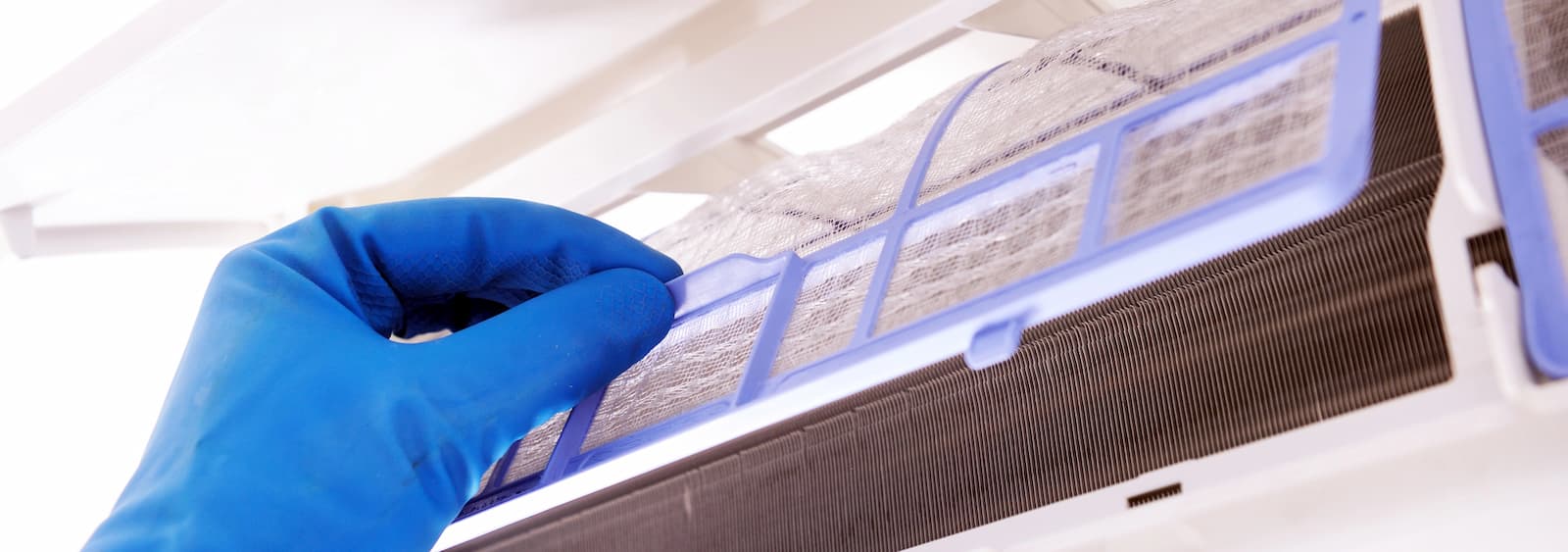
Professional odor remediation in Applewood, CO addresses persistent smells from smoke damage, pet accidents, mold, and other sources by identifying and eliminating odors at their origin rather than masking them.
- Applewood's semi-arid climate and seasonal moisture changes cause odor molecules to embed deeply in materials and reactivate unpredictably. Homes built between 1955 and 1985 present specific challenges due to older ventilation systems and building materials.
- Best Option Restoration of Lakewood uses hydroxyl generators, thermal fogging, ozone treatment, and enzyme applications based on each situation. Their process includes thorough inspection, source removal, HVAC treatment, and verification testing.
- The company provides detailed documentation for insurance claims and offers 24/7 availability for urgent situations like sewage backups or fire damage. IICRC-certified technicians bring local knowledge of regional factors affecting treatment.
Odor remediation is the process of permanently removing unwanted smells from indoor spaces rather than simply masking them. It works by first identifying the source of the odor, then eliminating the underlying cause, and finally neutralizing odor molecules at their origin. This approach addresses issues like smoke damage, pet accidents, and mold growth to restore fresh, clean air to your home.
Overview
Walking into your Applewood home and being greeted by a persistent, unpleasant smell can turn your sanctuary into a source of stress. Whether the odor stems from smoke damage, pet accidents, mold growth, or something you simply cannot identify, living with unwanted smells affects your comfort and quality of life. Odor remediation involves far more than masking scents with air fresheners – it requires identifying the source, eliminating the cause, and neutralizing odor molecules at their origin.
Professional odor elimination combines scientific assessment with specialized equipment to address smells that household products cannot touch. Applewood's semi-arid climate and seasonal temperature swings create unique conditions where odors can become trapped in building materials, then release unpredictably when conditions change. The area's mix of established homes and varied construction styles means each odor situation requires a customized approach.
- Complete source identification rather than surface-level treatment
- Professional-grade equipment that penetrates porous materials
- Lasting results that address the root cause, not just symptoms
- Safe, effective methods appropriate for occupied homes
Common Issues in Applewood, CO
When odor problems peak in Applewood
Melting snow reveals hidden moisture damage and mold growth that developed over winter, causing musty odors in basements and crawl spaces.
High temperatures intensify existing odors and accelerate bacterial growth, while monsoon humidity creates conditions for mildew and musty smells.
Increased indoor cooking, closed windows for heating, and holiday gatherings lead to lingering food and smoke odors trapped in homes.
Applewood's location along the Front Range creates specific conditions that contribute to odor challenges in local homes. The area experiences low humidity for much of the year, which can cause odor-causing particles to become deeply embedded in carpets, upholstery, and drywall. When moisture levels rise during spring snowmelt or summer monsoon season, these dormant odors often reactivate and intensify.
The community's proximity to major transportation corridors and mixed-use development means homes may absorb odors from external sources that homeowners cannot control. Seasonal wildfire smoke from mountain fires frequently settles in the area, leaving behind stubborn smoke odors that infiltrate HVAC systems and soft furnishings. Pet ownership rates in this family-friendly neighborhood also contribute to common odor complaints.
- Smoke infiltration from regional wildfires during summer and fall months
- Musty basement odors due to seasonal moisture fluctuations
- Pet urine that has soaked into subfloor materials beneath carpet
- Cooking odors trapped in older homes with less effective ventilation
- Sewer gas smells from aging plumbing infrastructure
- Mold and mildew growth in areas with poor air circulation
Warning signs that indicate professional intervention include odors that return after cleaning, smells that intensify during humidity changes, and unexplained respiratory irritation among household members.
How Best Option Restoration of Lakewood Can Help
Our approach to odor remediation begins with thorough investigation rather than assumptions. We trace every unwanted smell to its origin point before recommending treatment.
Our Step-by-Step Process
- Conduct a comprehensive property inspection using moisture meters, thermal imaging, and air quality testing to locate odor sources
- Document findings and develop a customized treatment plan based on odor type and affected materials
- Remove or treat source materials that harbor odor-causing substances
- Deploy appropriate odor neutralization technology based on the specific situation
- Treat HVAC systems and ductwork to prevent odor recirculation
- Perform verification testing to confirm successful elimination
- Provide recommendations for preventing future odor issues
Treatment Methods We Employ
- Hydroxyl generators for occupied-space treatment without evacuation
- Thermal fogging that penetrates porous materials at the molecular level
- Ozone treatment for severe contamination in unoccupied spaces
- Enzyme treatments for biological odor sources
- HEPA air scrubbing to remove airborne particles
- Sealant application for materials that cannot be removed
Throughout the process, we maintain open communication about what we find, what treatment involves, and what results you can expect. Our quality control procedures include post-treatment air quality verification to confirm the odor has been eliminated rather than masked.
Insurance & Documentation
Odor remediation often connects to larger restoration projects that involve insurance claims. Proper documentation from the start protects your interests and streamlines the claims process.
We create detailed records throughout every project, providing the evidence needed for insurance adjusters and claims processing.
- Photographic and video documentation of affected areas before and after treatment
- Air quality testing results with quantifiable measurements
- Detailed scope of work with itemized treatment procedures
- Material safety data sheets for all products used
- Timeline documentation showing project phases
- Final verification reports confirming successful remediation
Our team holds IICRC certifications in odor control and follows industry-standard protocols that insurance companies recognize. We work directly with adjusters when needed, providing the technical information they require to process claims efficiently. This documentation also serves as valuable records for real estate transactions or future reference.
Why Choose Best Option Restoration of Lakewood
Serving the Applewood community means understanding local conditions that affect odor challenges – from seasonal wildfire smoke to the specific construction methods used in neighborhood homes. Our technicians live and work in this area, bringing firsthand knowledge of regional factors that influence treatment approaches.
We respond quickly when odor emergencies arise, recognizing that some situations – like sewage backups or fire damage – require immediate attention to prevent odors from becoming permanently embedded in your home.
- IICRC-certified technicians with specialized odor control training
- 24/7 availability for urgent odor situations
- Investment in current technology including hydroxyl generators and thermal foggers
- Transparent pricing with detailed estimates before work begins
- Follow-up verification to confirm lasting results
Our commitment extends beyond eliminating the immediate problem. We take time to explain what caused the odor and how to prevent recurrence, empowering you to maintain a fresh-smelling home long after our work concludes.
Housing Characteristics & Odor Remediation Considerations
Applewood's housing stock reflects its development history as one of Jefferson County's established residential communities. Most homes in the area were built between 1955 and 1985, with a concentration of ranch-style and split-level properties constructed during the 1960s and 1970s suburban expansion. These mid-century homes present specific characteristics that influence odor remediation approaches.
Single-family homes dominate the Applewood landscape, typically ranging from 1,200 to 2,400 square feet with full or partial basements – a common feature in Colorado construction. The building materials prevalent during this era include:
- Original hardwood flooring that can absorb and trap odors over decades
- Plaster walls in older homes versus drywall in later construction
- Original HVAC ductwork that may harbor accumulated odor particles
- Concrete block foundations susceptible to moisture infiltration
- Original insulation materials that can retain smoke and other odors
Homes of this vintage often have less sophisticated ventilation than modern construction, meaning odors circulate and settle rather than being expelled. Basements in these properties frequently experience seasonal moisture issues that contribute to musty odors. The original windows and weatherstripping – if not updated – can allow external odors from wildfires or vehicle exhaust to infiltrate living spaces. Understanding these structural realities allows us to target treatment effectively rather than applying generic solutions.
Environmental Conditions & Odor Remediation Implications
Applewood sits at approximately 5,600 feet elevation along Colorado's Front Range, experiencing environmental conditions that directly impact how odors behave in residential settings. The region's semi-arid climate averages only 15-17 inches of annual precipitation, creating generally dry conditions that affect odor remediation in specific ways.
Low humidity levels – often dropping below 20% during winter months – cause odor molecules to become deeply embedded in porous materials. When humidity rises during spring snowmelt or summer afternoon thunderstorms, these dormant odors reactivate. This cycle explains why homeowners sometimes notice odors appearing and disappearing seasonally.
- Temperature extremes ranging from below zero to over 100°F stress building materials and seals
- Wildfire smoke from mountain fires regularly affects air quality during summer and fall
- Denver metro area ozone levels can impact indoor air quality in connected spaces
- Clay-heavy soils common in the area contribute to basement moisture issues
- Rapid pressure changes during weather fronts can draw sewer gases into homes
The region's water supply – primarily from mountain snowmelt treated by Denver Water – contains mineral content that can contribute to drain odors if plumbing develops buildup. Our treatment protocols account for these local environmental factors, adjusting humidity levels during treatment and timing certain procedures to coincide with optimal weather conditions for maximum effectiveness.
Population Characteristics & Odor Remediation Considerations
Applewood functions as an established suburban community within the greater Lakewood and Denver metropolitan area. The neighborhood attracts families and long-term residents who value its location near downtown Denver while maintaining a quieter residential character. Household incomes in the area tend toward middle and upper-middle ranges, with many residents working in professional, technical, and healthcare sectors along the US-6 corridor and in downtown Denver.
The demographic profile influences odor remediation needs in several ways:
- Long-term homeownership means accumulated odors from years of cooking, pets, and daily living
- Aging population in some households may have diminished ability to detect odors early
- Pet ownership rates align with family-oriented demographics, creating common odor sources
- Home-based work arrangements – increasingly common – heighten awareness of indoor odors
- Investment in property values motivates thorough odor elimination before selling
Many Applewood residents have lived in their homes for decades, inheriting odor issues that developed gradually and became normalized. New homeowners purchasing these properties often discover odors that previous owners no longer noticed. The community's stable property values also mean homeowners invest in proper remediation rather than temporary fixes, understanding that thorough treatment protects their investment. Cultural diversity in the area means we encounter varied cooking traditions that can create persistent kitchen odors requiring specialized treatment approaches.
Air Quality Factors in Applewood
Applewood's position along the Front Range places it within the Denver-Aurora-Lakewood metropolitan statistical area, which the American Lung Association has historically ranked among cities with challenging air quality. This directly impacts indoor odor situations for local homeowners.
The Denver metro area experiences elevated ozone levels during summer months, frequently exceeding EPA standards for healthy air. Ground-level ozone forms when vehicle emissions and industrial pollutants react with sunlight – a common occurrence given the region's 300+ days of annual sunshine. For Applewood residents, this means:
- Outdoor pollutants infiltrate homes through normal air exchange
- HVAC systems can accumulate and redistribute airborne contaminants
- Wildfire smoke events add particulate matter that embeds in soft furnishings
- Temperature inversions trap pollutants at lower elevations during winter
The Colorado Department of Public Health and Environment monitors air quality throughout the Front Range, with stations near Applewood regularly recording data on particulate matter, ozone, and other pollutants. During 2023, the Denver metro area experienced multiple "Action Day" alerts when air quality reached unhealthy levels, primarily due to wildfire smoke and ozone.
These air quality realities mean that odor remediation in Applewood often involves addressing external contamination that has accumulated indoors. Smoke particles from regional wildfires – which have increased in frequency and intensity in recent years – create some of the most challenging odor situations we encounter. Our treatment protocols specifically address fine particulate matter that standard cleaning cannot remove, using air scrubbing technology and surface treatments designed for smoke-damaged environments. Understanding local air quality patterns helps us anticipate odor sources and recommend preventive measures, such as upgraded filtration and strategic ventilation timing during high-pollution periods.
Weather & Alerts in Applewood, CO
Current Conditions
Temp: 61°F · Feels like: 59°F
Humidity: 58% · Wind: 8 mph
Emergency Alerts
No active alerts.
Odor Remediation/Elimination in Other Service Areas
Useful Numbers
- Life-threatening emergencies
- 911
- Poison Control
- 1-800-222-1222
- Suicide Prevention Lifeline
- 988
- Police (non-emergency)
- Visit your local police department website
- Fire Department (non-emergency)
- Check the Applewood city website
- City Hall
- Available on the official Applewood government website
- Non-Emergency Services
- Call 311 if available in your area
Always verify numbers from official city/county websites.