
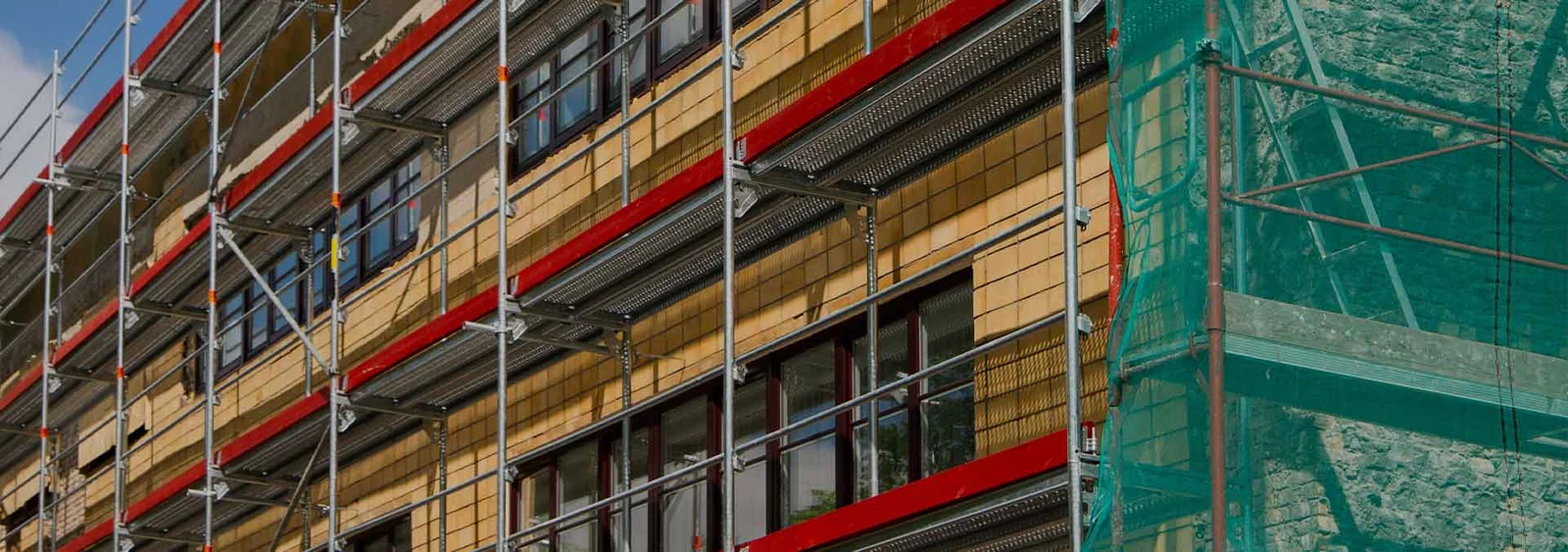
Commercial restoration services in Thornton, CO address property damage from water, fire, storms, and mold to minimize business downtime and protect revenue. Best Option Restoration of Lakewood serves all Thornton neighborhoods with 24/7 emergency response and commercial-grade equipment.
- Thornton's Front Range location creates specific risks including hail damage, flash flooding, frozen pipe bursts, and foundation stress from clay soils. Older commercial buildings from the 1970s-1980s face additional challenges with aging roofing and plumbing systems.
- The restoration process includes emergency response with thermal imaging and moisture testing, controlled demolition with containment, antimicrobial treatments, and in-house reconstruction. After-hours scheduling helps minimize operational disruption.
- IICRC-certified technicians provide documentation structured for commercial insurance claims, including timestamped photos, moisture mapping, daily work logs, and laboratory results when needed.
Commercial restoration is a service that addresses property damage threatening business operations. It covers the full spectrum of damage from water, fire, storms, and mold - including emergency water extraction, structural drying, smoke remediation, mold removal, and complete reconstruction of damaged spaces. The goal is to minimize downtime and restore normal business functions quickly.
Overview
When your Thornton business faces unexpected damage from water, fire, storms, or mold, every hour of downtime translates to lost revenue and disrupted operations. Commercial restoration addresses the full spectrum of property damage that threatens your business continuity – from emergency water extraction and structural drying to smoke remediation, mold removal, and complete reconstruction of damaged spaces.
Professional commercial restoration differs significantly from residential work. Your facility likely houses specialized equipment, inventory, sensitive documents, and complex HVAC systems that require trained technicians who understand commercial building codes and business operations. Thornton's semi-arid climate with sudden temperature swings, occasional severe thunderstorms, and winter freeze-thaw cycles creates specific vulnerabilities for commercial properties throughout the area.
- Rapid response to minimize business interruption and protect revenue streams
- Specialized equipment designed for large-scale commercial spaces
- Coordination with property managers, business owners, and tenants simultaneously
- Documentation structured for commercial insurance claims and lease requirements
Common Issues in Thornton, CO
When Commercial Restoration Demand Peaks in Thornton
Severe thunderstorms, hail, and high winds cause significant damage to commercial roofs, windows, and exteriors across the Front Range.
Heavy snow loads, ice dams, and freeze-thaw cycles lead to roof damage, burst pipes, and water intrusion in commercial buildings.
Afternoon thunderstorms bring flash flooding and water damage to commercial properties, particularly those in low-lying areas.
Best Option Restoration of Lakewood provides Commercial Restoration services in all neighborhoods of Thornton including Amber Creek, Burgundy, Eastlake, Fox Run, Holiday Hills Village, Lambertson Lakes, Loma Linda Estates, Marshall Lake, North Hills, Original Thornton, Pine Lakes Ranch, Quebec Highlands, The Grove at Alta Ridge, Wind Dance, Woodland Hills, and York Highlands.
Thornton's position along the Front Range corridor exposes commercial properties to weather patterns that shift rapidly. Spring hailstorms can damage roofing systems and shatter skylights within minutes, allowing water intrusion that spreads through ceiling cavities and wall assemblies before building occupants notice visible signs.
The region's clay-heavy soils expand and contract dramatically with moisture changes, creating foundation stress that leads to cracked slabs and compromised building envelopes. Commercial properties with flat roofs face particular challenges during heavy snow events when drainage systems become overwhelmed or blocked.
- Hail damage to commercial roofing systems and exterior cladding – particularly problematic for older strip malls and industrial buildings
- Flash flooding from summer monsoon storms that overwhelms parking lot drainage and enters ground-floor spaces
- Frozen pipe bursts during cold snaps, especially in poorly insulated sections of warehouses and retail spaces
- HVAC condensation issues during humidity fluctuations between seasons
- Wind-driven rain infiltration through aging window seals and building joints
- Mold development in hidden spaces following water events that weren't properly addressed
Warning signs that indicate your commercial property needs professional assessment include musty odors in specific areas, unexplained humidity spikes on building management systems, water staining on ceiling tiles, and employees reporting allergy symptoms that improve when they leave the building.
How Best Option Restoration of Lakewood Can Help
Our commercial restoration process begins the moment you contact us, with project managers who understand that your business cannot wait.
Emergency Response and Assessment
- Immediate phone consultation to understand the scope and dispatch appropriate crews
- On-site arrival with commercial-grade extraction and containment equipment
- Comprehensive damage assessment using moisture meters, thermal imaging, and air quality testing
- Development of a detailed scope of work with clear phase breakdowns
- Coordination with your facilities team to establish work zones that allow partial business operation when possible
Active Restoration Phase
Our technicians deploy equipment sized for commercial spaces – industrial air movers, commercial dehumidifiers, and negative air machines that can handle facilities ranging from small retail spaces to large warehouses.
- Controlled demolition of damaged materials with proper containment to prevent cross-contamination
- Antimicrobial treatments applied to prevent secondary mold growth
- Daily moisture monitoring with documented readings at multiple points
- HEPA air filtration running continuously during active work
- After-hours scheduling available to minimize disruption to your operations
Reconstruction and Completion
We handle reconstruction in-house, eliminating the delays and communication gaps that occur when multiple contractors are involved. Your dedicated project manager maintains regular communication through your preferred method – whether that's daily calls, email updates, or project management software access.
Insurance & Documentation
Commercial insurance claims require documentation that meets higher standards than residential policies. We photograph and catalog damage systematically, creating records that support your claim while meeting the evidentiary requirements insurance adjusters expect from commercial properties.
Our documentation package includes:
- Timestamped photographs of all damage before any work begins
- Detailed moisture readings with mapped locations throughout affected areas
- Itemized inventory of damaged materials and contents
- Daily work logs documenting crew activities, equipment deployment, and progress
- Third-party laboratory results for mold or air quality testing when applicable
- Final clearance documentation confirming restoration to pre-loss condition
We communicate directly with your insurance adjuster when authorized, providing the technical information they need to process claims efficiently. Our team holds IICRC certifications that insurance companies recognize as industry standard for restoration work, and we follow S500, S520, and S540 protocols that define proper restoration procedures.
Why Choose Best Option Restoration of Lakewood
Our technicians hold current IICRC certifications in water damage restoration, fire and smoke restoration, mold remediation, and applied structural drying. We invest in ongoing training because restoration science continues to advance, and your property deserves technicians who understand current best practices.
Serving the Thornton area means we understand local building codes, know which inspectors handle commercial permits, and have established relationships with suppliers who can expedite materials when your timeline demands it. Our crews can reach most Thornton commercial properties within an hour of your call.
- 24/7 emergency response with live answer – no voicemail during emergencies
- Commercial-scale equipment inventory that allows us to handle multiple large projects simultaneously
- Project managers with commercial construction backgrounds who speak your language
- Transparent communication with no surprises on scope or billing
Housing Characteristics & Commercial Restoration Considerations
Thornton experienced its most significant growth between 1970 and 2000, with continued expansion through the 2010s as the city's population surged past 140,000. This growth pattern means commercial properties in established areas – particularly along Washington Street and near the original town center – often date to the 1970s and 1980s, while newer developments in the eastern portions of the city feature more recent construction.
Commercial buildings from Thornton's initial growth period typically feature:
- Flat or low-slope roofing systems that require careful drainage maintenance
- Steel frame or concrete block construction with brick veneer exteriors
- Original HVAC systems that may have been retrofitted multiple times
- Older plumbing infrastructure with galvanized or early copper piping
- Limited vapor barriers and insulation by modern standards
Newer commercial developments along I-25 and in the Larkridge area feature modern construction methods, but even these buildings face restoration challenges specific to Colorado's climate. Tilt-up concrete construction common in recent warehouse and industrial buildings requires specialized drying approaches when water infiltration occurs, as moisture can become trapped in wall cavities designed for thermal efficiency.
Environmental Conditions & Commercial Restoration Implications
Thornton sits at approximately 5,350 feet elevation in the South Platte River basin, where air quality varies seasonally due to temperature inversions, wildfire smoke during summer months, and ozone levels that occasionally exceed EPA standards. Commercial properties with sensitive inventory or operations – medical facilities, food service, manufacturing – must address air quality during restoration to maintain compliance with industry regulations.
The region receives roughly 15 inches of precipitation annually, with most moisture arriving as spring snow and summer thunderstorms. This pattern creates distinct restoration challenges:
- Spring snowmelt can overwhelm aging drainage systems around older commercial properties
- Summer storms deliver intense rainfall that tests roof drainage capacity
- Low ambient humidity accelerates structural drying but can cause secondary damage to wood fixtures and inventory
- Winter temperature swings between 50°F days and sub-zero nights stress building envelopes
Thornton's municipal water comes primarily from the South Platte River system, treated to meet federal standards but carrying mineral content typical of Front Range sources. During restoration, we account for water source characteristics when assessing contamination levels and determining appropriate cleaning protocols for affected materials.
Population Characteristics & Commercial Restoration Considerations
Thornton's population of approximately 145,000 residents makes it one of Colorado's largest cities, with a workforce that commutes both locally and to Denver's metropolitan core. Median household income hovers around $75,000, supporting a diverse commercial landscape that includes retail centers, medical offices, light industrial facilities, and professional services.
The city's demographic profile influences commercial restoration needs in several ways:
- Retail and service businesses serve price-conscious consumers who expect minimal service disruption
- Medical and dental offices require restoration approaches that maintain sterile environments
- Restaurants and food service operations face health department requirements during restoration
- Warehouse and distribution facilities supporting e-commerce need rapid turnaround to meet shipping commitments
- Professional offices prioritize protecting client files and electronic equipment
Thornton's growth has attracted national chains alongside locally-owned businesses. Franchise locations often have corporate requirements for restoration vendors, while independent business owners need guidance navigating insurance claims and restoration decisions. Our team adapts our communication and documentation to meet the needs of both corporate property managers and hands-on business owners who are managing restoration alongside their daily operations.
Commercial Property Distribution in Thornton
Thornton's commercial real estate market encompasses approximately 8 million square feet of retail, office, and industrial space distributed across several distinct corridors. Understanding where commercial properties concentrate helps explain the restoration needs we encounter most frequently.
Primary Commercial Zones
- Washington Street Corridor: Thornton's original commercial spine features strip malls, standalone retail, and professional offices built primarily between 1975 and 1995 – properties now reaching ages where plumbing failures and roof deterioration become common
- I-25 Corridor: Newer development including Larkridge retail center and surrounding commercial properties built after 2000, featuring modern construction but facing exposure to highway-related vibration and drainage challenges
- East 144th Avenue: Growing commercial district with mixed retail and light industrial, including properties still under construction or recently completed
- Thornton Parkway: Medical offices, professional services, and retail serving residential neighborhoods to the east
Industrial and warehouse properties cluster near transportation corridors, particularly along I-25 and near the intersection with Highway 7. These facilities present unique restoration challenges including high ceilings that require specialized equipment, concrete floors with embedded drainage systems, and 24-hour operations that limit access windows for restoration work.
Thornton's commercial vacancy rates have remained relatively stable, meaning most properties are actively occupied and generating revenue that owners cannot afford to lose during extended restoration projects. This economic reality drives our emphasis on rapid response and creative scheduling that minimizes business interruption while maintaining restoration quality standards.
Weather & Alerts in Thornton, CO
Current Conditions
Temp: 63°F · Feels like: 61°F
Humidity: 57% · Wind: 3 mph
Emergency Alerts
No active alerts.
Commercial Restoration in Other Service Areas
Useful Numbers
- Life-threatening emergencies
- 911
- Poison Control
- 1-800-222-1222
- Suicide Prevention Lifeline
- 988
- Police (non-emergency)
- Visit your local police department website
- Fire Department (non-emergency)
- Check the Thornton city website
- City Hall
- Available on the official Thornton government website
- Non-Emergency Services
- Call 311 if available in your area
Always verify numbers from official city/county websites.