
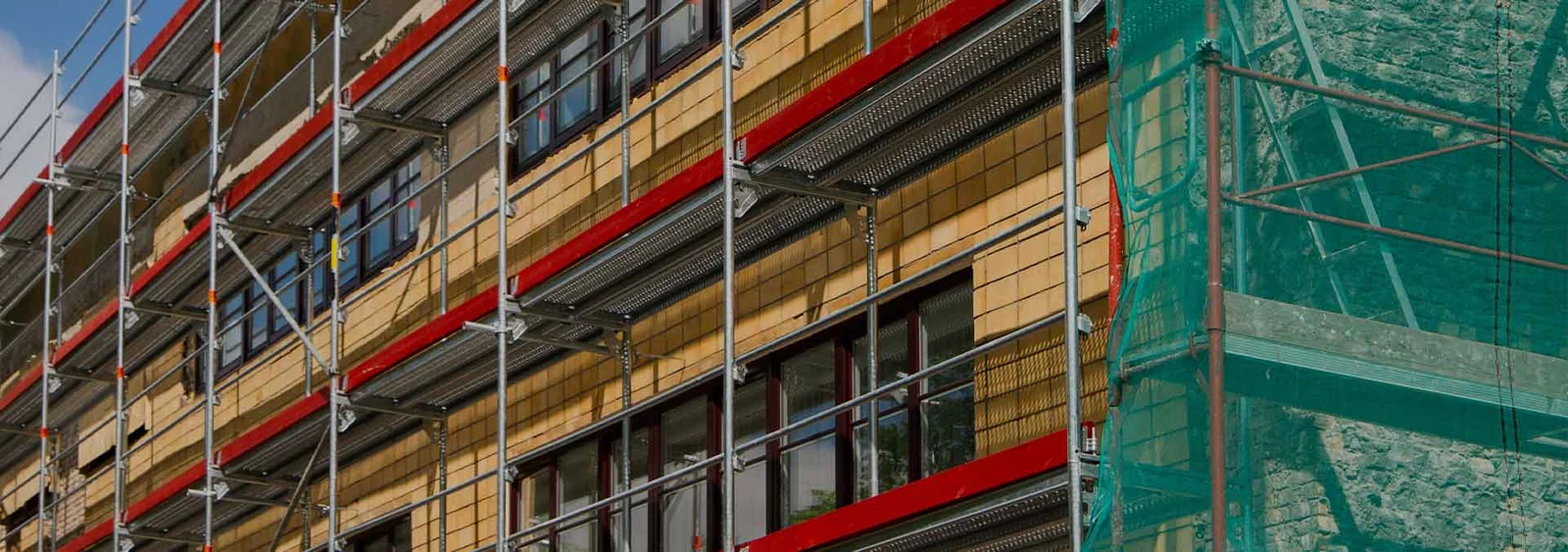
Commercial restoration in Broomfield, CO addresses water damage, fire incidents, storm destruction, and mold contamination for business properties. Best Option Restoration of Lakewood offers 24/7 emergency response with specialized techniques designed to minimize business interruption.
- Broomfield's Front Range location brings unique challenges including severe hailstorms, extreme temperature swings, and low humidity that stress commercial building systems. Flat roofs and aging infrastructure from the 1990s growth boom are particularly vulnerable.
- The restoration process includes emergency response, water extraction, structural drying with commercial-grade equipment, mold prevention, and reconstruction. Work is scheduled around business operations to reduce disruption.
- The company provides detailed documentation for insurance claims including timestamped photos, moisture readings, and daily work logs. Their IICRC-certified technicians have experience with Broomfield's specific commercial building types.
Commercial restoration in Broomfield, CO refers to professional services that repair and restore business properties after damage from water, fire, storms, or other disasters. These specialists work around business operations to minimize downtime, addressing issues like burst pipes, flooding, and structural damage while helping companies return to normal operations quickly.
Overview
Last winter, a Broomfield office complex discovered water cascading through ceiling tiles after a frozen pipe burst overnight. By morning, three floors of cubicles sat underwater, and the building manager faced an impossible choice: close for weeks or find restoration experts who could work around business operations. This scenario plays out across Broomfield's commercial properties more often than most business owners expect.
Commercial restoration encompasses the specialized repair and recovery of business properties following water damage, fire incidents, storm destruction, or mold contamination. Unlike residential work, commercial projects demand coordination with ongoing operations, compliance with commercial building codes, and understanding of complex HVAC and electrical systems found in retail spaces, office buildings, warehouses, and industrial facilities.
- Minimized business interruption through strategic scheduling and phased restoration approaches
- Protection of inventory, equipment, and critical business assets during restoration
- Compliance with Colorado commercial building standards and ADA accessibility requirements
- Coordination with property managers, business owners, and tenant stakeholders
Broomfield's position along the Front Range corridor – where rapid temperature swings, hail storms, and occasional flooding converge – creates unique challenges for commercial properties. The city's mix of established business parks and newer developments means restoration teams must adapt approaches for buildings spanning multiple decades of construction standards.
Common Issues in Broomfield, CO
When Commercial Restoration Demand Peaks in Broomfield
Severe thunderstorms, hail, and high winds along the Front Range cause significant commercial property damage requiring restoration.
Frozen and burst pipes, ice dams, and heavy snow loads lead to water damage and structural issues in commercial buildings.
Colorado's peak hail season brings intense storms that damage commercial roofs, windows, and exteriors throughout Broomfield.
Broomfield sits at an elevation of approximately 5,400 feet, where thin air and intense UV radiation accelerate roofing material degradation on commercial buildings. Flat commercial roofs common throughout the city's business districts face particular stress from the freeze-thaw cycles that characterize Colorado winters. Water infiltration through compromised roofing membranes ranks among the most frequent commercial restoration triggers in the area.
The city's location within the Denver-Boulder metropolitan corridor means commercial properties experience the full spectrum of Front Range weather events. Spring hailstorms regularly damage exterior surfaces, windows, and rooftop HVAC equipment. Summer monsoon patterns bring sudden, intense rainfall that overwhelms aging drainage systems in older commercial developments near the Original Broomfield neighborhood.
Local Factors Driving Commercial Restoration Needs
- Severe hailstorms averaging 3-5 significant events annually, damaging roofs, signage, and exterior systems
- Temperature swings of 40+ degrees within single days, stressing building envelopes and causing pipe vulnerabilities
- Low humidity levels (averaging 30-40%) that dry out seals, gaskets, and weatherstripping on commercial doors and windows
- Heavy wet snow loads in late winter and early spring that strain flat commercial roofing structures
- Urban wildlife including raccoons and birds that damage rooftop equipment and create entry points for water
- Aging infrastructure in commercial parks developed during Broomfield's 1990s growth boom
Business owners should monitor for ceiling stains, musty odors in storage areas, unexplained humidity spikes, and visible cracks in exterior masonry. These warning signs often precede more serious damage that disrupts operations and requires extensive restoration work.
How Best Option Restoration of Lakewood Can Help
Our commercial restoration process prioritizes your business continuity while addressing damage thoroughly. We recognize that every day of disruption affects your bottom line, your employees, and your customers.
Our Commercial Restoration Process
- Initial emergency response and damage assessment – our team arrives to evaluate the scope, identify immediate hazards, and secure the property against further damage
- Development of a detailed restoration plan with phasing options that accommodate your business operations
- Water extraction, debris removal, and preliminary cleaning to stabilize the affected areas
- Structural drying using commercial-grade dehumidification and air movement equipment monitored with moisture meters
- Mold prevention treatment and antimicrobial application as needed based on moisture exposure duration
- Reconstruction and repair of damaged building components, finishes, and systems
- Final inspection, air quality testing, and documentation of completed work
Specialized Commercial Techniques
- Desiccant dehumidification systems for large commercial spaces requiring rapid drying
- Negative air pressure containment to prevent cross-contamination in occupied areas
- Thermal imaging to detect hidden moisture within wall cavities and ceiling plenums
- Injectidry systems for drying wall cavities without demolition
- HEPA filtration for air quality maintenance during restoration activities
Throughout the restoration process, we maintain communication with designated property contacts through scheduled updates and 24/7 availability for urgent questions. Our project managers coordinate with your facilities team to schedule noisy or disruptive work during off-hours when possible, minimizing impact on daily operations.
Insurance & Documentation
Commercial property claims require meticulous documentation that satisfies insurance adjusters while protecting your interests. We approach every project understanding that thorough records support faster claim resolution and reduce disputes over covered work.
Documentation Practices
- Timestamped photographs and video of all damage before any remediation begins
- Detailed moisture readings and mapping showing affected areas and drying progress
- Daily work logs documenting equipment placement, personnel, and activities completed
- Material inventories for damaged contents requiring repair or replacement
- Air quality testing results before, during, and after restoration work
Our team works directly with commercial insurance adjusters, providing the specific documentation formats and itemized estimates they require. We understand the difference between replacement cost and actual cash value policies, and we document accordingly to support your coverage type.
Best Option Restoration of Lakewood maintains IICRC certification – the industry standard for restoration professionals. Our technicians hold current certifications in water damage restoration, fire and smoke restoration, and applied structural drying. These credentials matter to insurance carriers evaluating whether restoration work meets industry standards.
Why Choose Best Option Restoration of Lakewood
Commercial properties demand restoration partners who understand the stakes extend beyond physical damage. Lost revenue, displaced employees, and customer perception all hang in the balance. Our team brings experience with Broomfield's specific commercial building types – from the tech offices along Interlocken Loop to the retail centers near Flatiron Crossing.
We maintain 24/7 emergency response capability because commercial disasters don't respect business hours. When a sprinkler system fails at midnight or a storm damages your building on Sunday, our crews mobilize immediately to minimize damage progression.
- Direct communication with decision-makers – no call center barriers between you and your project team
- Experience with multi-tenant coordination and lease compliance requirements
- Relationships with Broomfield commercial contractors for seamless reconstruction transitions
- Fleet of commercial-scale equipment ready for deployment without rental delays
Our local presence means faster response and familiarity with Broomfield's commercial building landscape, permitting processes, and inspection requirements.
Housing Characteristics & Commercial Restoration Considerations
Broomfield's development history shapes its commercial building stock in distinctive ways. The city incorporated in 1961 and experienced significant growth through the 1990s and 2000s, meaning most commercial structures date from these expansion periods. Earlier commercial buildings near the Original Broomfield area feature construction methods from the 1970s and 1980s, while business parks along Highway 36 represent newer construction standards.
Building Age and Construction Patterns
- Commercial buildings from the 1970s-1980s often feature flat built-up roofing systems approaching or exceeding their service life
- 1990s-era office parks commonly used EIFS (synthetic stucco) exterior systems that can trap moisture when compromised
- Newer developments incorporate more resilient materials but may have untested performance through severe weather events
- Mixed-use developments combining retail and residential spaces require coordinated restoration approaches
The predominance of single-story and low-rise commercial buildings in Broomfield affects restoration strategies. These structures often have larger roof-to-floor ratios, making them more vulnerable to roof-related water intrusion but easier to access for repairs. Many commercial properties include extensive parking areas where drainage issues can direct water toward building foundations.
Broomfield's commercial real estate includes significant flex-space and warehouse facilities, particularly in the eastern portions of the city. These buildings present unique restoration challenges including concrete slab moisture issues, high-bay lighting systems vulnerable to water damage, and inventory protection requirements that residential restoration teams rarely encounter.
Environmental Conditions & Commercial Restoration Implications
Broomfield's position along the Front Range creates an environmental profile that directly impacts commercial restoration needs. The city experiences approximately 300 days of sunshine annually, but this comes with intense UV exposure that degrades roofing materials, sealants, and exterior finishes faster than in more humid climates.
Air Quality Considerations
The Denver metropolitan area, including Broomfield, occasionally experiences elevated ozone levels during summer months and particulate matter concerns during wildfire season. Commercial buildings with compromised HVAC systems or fire/smoke damage require careful air quality restoration to maintain safe indoor environments for employees and customers.
- Wildfire smoke infiltration can contaminate HVAC systems and require specialized cleaning
- Low humidity (often below 30% in winter) affects material drying times and static electricity concerns during restoration
- Altitude affects equipment performance – pumps and dehumidifiers operate differently at 5,400 feet
- Clay-heavy soils in some areas create foundation movement and drainage challenges
Water and Soil Factors
Broomfield receives water from multiple sources including the Colorado River system and local sources, with relatively hard water that can accelerate pipe corrosion in older commercial plumbing systems. The city's soil composition varies but includes expansive clay soils that shift with moisture changes, sometimes contributing to foundation issues that allow water intrusion.
Seasonal precipitation patterns concentrate moisture events in spring and summer, with afternoon thunderstorms capable of dropping significant rainfall in short periods. Commercial properties with aging drainage infrastructure face particular risk during these intense precipitation events.
Population Characteristics & Commercial Restoration Considerations
Broomfield's population of approximately 75,000 residents represents one of Colorado's more affluent communities, with median household incomes significantly above state and national averages. This economic profile supports a commercial landscape heavy on professional services, technology companies, and retail serving higher-income consumers.
Economic and Demographic Factors
- High concentration of technology and professional services firms requiring minimal downtime tolerance
- Significant retail presence including Flatiron Crossing and surrounding commercial areas
- Medical and healthcare facilities with strict regulatory requirements for restoration work
- Restaurant and hospitality businesses requiring rapid restoration to maintain revenue
- Growing population driving continued commercial development and renovation activity
The workforce demographic skews toward professional and technical occupations, meaning commercial tenants often operate businesses where equipment, data systems, and professional environments are critical. Restoration work in these settings requires attention to electronics protection, data security during access, and maintaining professional appearances even during active restoration.
Broomfield's position as both a city and county creates a streamlined permitting environment for commercial restoration work. The unified government structure can expedite approvals when emergency restoration requires structural modifications or system replacements. This administrative efficiency benefits commercial property owners facing time-sensitive restoration needs.
Commercial Property Development Trends in Broomfield
Broomfield's commercial real estate landscape reflects decades of strategic development along the Highway 36 corridor connecting Denver and Boulder. Understanding these development patterns helps commercial property owners anticipate restoration needs and recognize vulnerabilities in their buildings.
Commercial Development Timeline
- 1970s-1980s: Original Broomfield commercial district development with traditional retail and office construction
- 1990s: Interlocken Business Park development bringing modern office campus construction
- 1999-2000: Flatiron Crossing mall and surrounding retail development
- 2000s-2010s: Continued expansion of flex-space, medical office, and mixed-use properties
- 2015-present: Infill development and renovation of aging commercial properties
The city contains approximately 12 million square feet of commercial and industrial space, with significant concentrations along the US-36 corridor and near the Flatiron Crossing area. Office space comprises the largest segment, followed by retail and flex/industrial properties. Many buildings from the initial development periods now face their first major restoration needs as original systems reach end-of-life.
Implications for Commercial Restoration
Commercial properties developed during Broomfield's growth phases share common characteristics that affect restoration approaches. Buildings from each era present predictable challenges:
- 1970s-1980s buildings: Original HVAC systems, potential asbestos-containing materials, outdated electrical capacity
- 1990s buildings: EIFS moisture issues, early-generation fire suppression systems, aging flat roof membranes
- 2000s buildings: Complex building automation systems requiring specialized restoration coordination
- Recent construction: Higher-performance envelopes but potentially untested under severe weather conditions
Commercial property owners in Broomfield benefit from understanding their building's place in this development timeline. Proactive assessment of age-related vulnerabilities can prevent catastrophic failures and reduce restoration scope when damage does occur. Best Option Restoration of Lakewood brings familiarity with each era's construction methods, allowing our team to anticipate hidden damage and restoration complications based on building vintage.
Weather & Alerts in Broomfield, CO
Current Conditions
Temp: 81°F · Feels like: 79°F
Humidity: 26% · Wind: 9 mph
Emergency Alerts
No active alerts.
Commercial Restoration in Other Service Areas
Useful Numbers
- Life-threatening emergencies
- 911
- Poison Control
- 1-800-222-1222
- Suicide Prevention Lifeline
- 988
- Police (non-emergency)
- Visit your local police department website
- Fire Department (non-emergency)
- Check the Broomfield city website
- City Hall
- Available on the official Broomfield government website
- Non-Emergency Services
- Call 311 if available in your area
Always verify numbers from official city/county websites.