
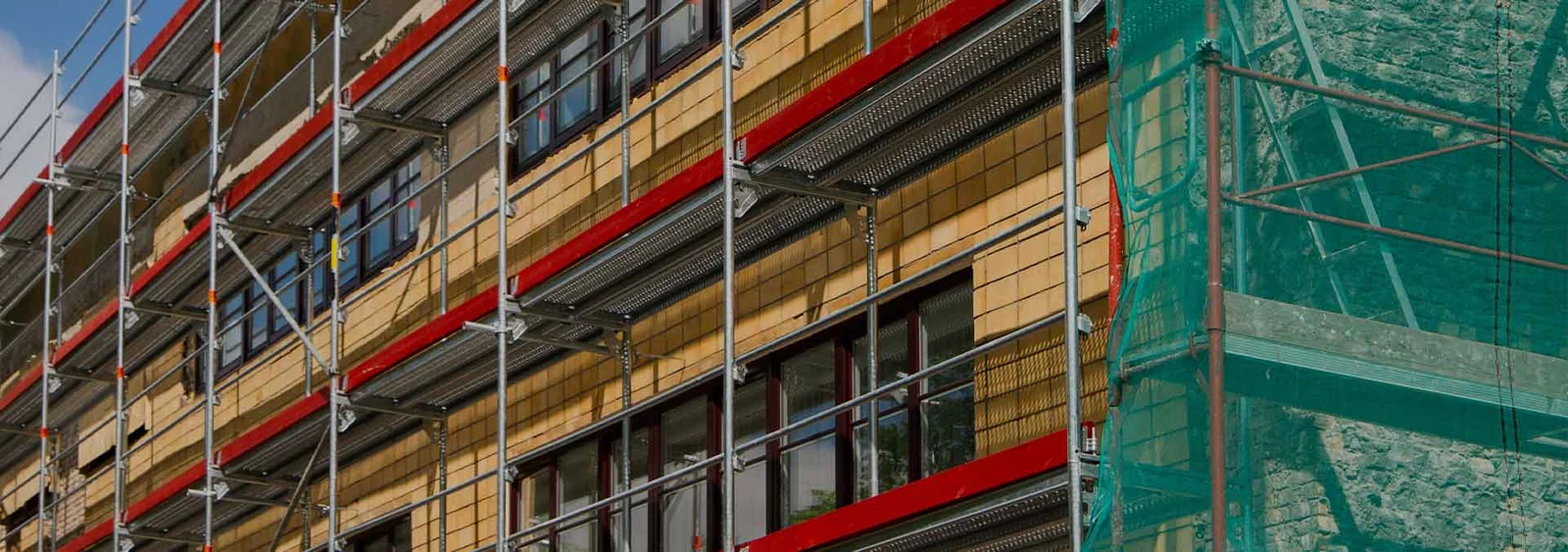
Commercial restoration in Glendale, CO addresses water damage, fire incidents, storm destruction, and mold contamination for business properties, with services designed to minimize downtime and meet commercial building codes.
- Glendale's compact commercial district features entertainment venues and retail spaces built mainly between 1965 and 1990, with aging infrastructure and shared-wall construction that can allow damage to spread between tenants.
- Best Option Restoration of Lakewood provides 24/7 emergency response with IICRC-certified technicians, commercial-grade equipment, and project managers who coordinate restoration while maintaining business operations when possible.
- Colorado's Front Range climate creates specific challenges including freeze-thaw cycles that rupture plumbing, hailstorms that damage flat roofs, and low humidity that can mask moisture problems leading to later mold growth.
Commercial restoration in Glendale, CO is a specialized service that repairs and restores business properties after disasters like water damage, fire, or smoke. Unlike residential projects, commercial restoration addresses larger spaces with higher stakes, focusing on minimizing business downtime and lost revenue while working quickly to help companies reopen and resume normal operations.
Overview
When a burst pipe floods your restaurant kitchen at 2 AM or smoke damage forces your retail store to close, every hour of downtime translates directly into lost revenue and frustrated customers. Commercial restoration in Glendale, CO demands a specialized approach that residential projects simply cannot match – the stakes are higher, the spaces are larger, and the urgency to reopen is constant.
Commercial restoration encompasses the complete recovery of business properties following water damage, fire incidents, storm destruction, or mold contamination. This work involves structural repairs, content restoration, air quality remediation, and systems restoration – all coordinated to minimize business interruption while meeting strict commercial building codes.
- Rapid assessment and emergency mitigation to prevent secondary damage
- Specialized equipment scaled for commercial square footage and complexity
- Coordination with business operations to maintain partial functionality when possible
- Documentation tailored for commercial insurance policies and business interruption claims
Glendale's unique position as a compact, commercially dense municipality within the Denver metro area creates distinct restoration challenges. The mix of entertainment venues, retail establishments, and office buildings – combined with Colorado's dramatic weather shifts – means local businesses face restoration scenarios that require both speed and precision.
Common Issues in Glendale, CO
When Commercial Restoration Demand Peaks in Glendale
Colorado's severe spring storms bring hail, wind damage, and flooding that impact commercial properties.
Heavy snow loads, ice dams, and frozen pipe bursts cause significant commercial property damage.
Summer monsoon storms bring flash flooding and water intrusion to commercial buildings in the Denver metro area.
Best Option Restoration of Lakewood provides Commercial Restoration services in all neighborhoods of Glendale including Bristol Square, Chaparral, College Park, Greenbriar, Montara, Roles Inn of America, Saddlehorn Ranch, San Miguel, Santa Maria, Sunset Vista, The Citadel, Village Park, Wellington Court, WillowBrook II, Windsor Square, and Woodridge VI.
Glendale occupies just over one square mile, yet this small footprint contains an extraordinary concentration of commercial activity. The city's entertainment district, anchored by Shotgun Willie's and numerous sports bars, operates late into the night – creating unique restoration timing challenges when incidents occur during peak business hours.
Colorado's Front Range climate delivers rapid temperature swings that stress commercial building systems throughout the year. A sunny 60-degree afternoon can plunge to single digits overnight, causing pipes to freeze in buildings where heating systems falter. Spring brings intense thunderstorms with hail that damages roofing and allows water intrusion, while winter snowmelt can overwhelm aging drainage systems around older commercial structures.
- Freeze-thaw cycles that crack foundations and rupture plumbing in buildings with inconsistent heating
- Hailstorms that compromise flat commercial roofs common in retail centers
- High-traffic entertainment venues facing increased fire risk from kitchen operations
- Aging infrastructure in commercial buildings constructed during Glendale's 1970s-1980s development boom
- Shared-wall construction in strip malls allowing damage to spread between tenants
- Limited parking and access that complicates equipment staging for restoration crews
Warning signs that Glendale business owners should monitor include discoloration on ceiling tiles, musty odors in storage areas, visible condensation on windows during temperature changes, and unexplained increases in utility bills that might indicate hidden water leaks or HVAC inefficiency.
How Best Option Restoration of Lakewood Can Help
Our commercial restoration process begins the moment you contact us, with a project manager assigned to your case who serves as your single point of contact throughout the entire restoration.
Emergency Response Phase
- Initial phone assessment to understand the scope and dispatch appropriate crews
- On-site arrival with moisture detection equipment, thermal imaging cameras, and containment materials
- Immediate mitigation actions – water extraction, board-up, or emergency tarping – to halt ongoing damage
- Comprehensive documentation including photos, moisture readings, and affected area mapping
Assessment and Planning Phase
Once the emergency is stabilized, we develop a detailed restoration plan that accounts for your business continuity needs.
- Structural engineering consultation when load-bearing elements are compromised
- Air quality testing for smoke, mold spores, or other contaminants
- Inventory assessment for damaged equipment, fixtures, and inventory
- Timeline development with milestone checkpoints for insurance and business planning
Restoration and Reconstruction
- Controlled demolition of unsalvageable materials with proper containment
- Structural drying using commercial-grade dehumidifiers and air movers
- Antimicrobial treatments and air scrubbing for contamination control
- Reconstruction of walls, flooring, ceilings, and fixtures to pre-loss condition
- Final inspection and clearance testing before business resumption
Throughout this process, we maintain daily communication logs and provide regular progress updates. Our crews can often work during off-hours to minimize disruption to your operations, and we coordinate with your vendors and contractors when specialized systems require attention.
Insurance & Documentation
Commercial insurance claims involve significantly more complexity than residential policies, with business interruption coverage, equipment floaters, and liability considerations all coming into play. Best Option Restoration of Lakewood maintains documentation standards that satisfy even the most demanding adjusters.
Our documentation package for commercial clients includes timestamped photographic evidence, detailed moisture mapping with readings at multiple intervals, itemized content inventories, and daily work logs signed by crew supervisors.
- IICRC-compliant documentation meeting industry standards for restoration scope
- Xactimate estimating software compatible with major insurance carriers
- Business interruption documentation supporting lost revenue claims
- Chain of custody records for removed materials and disposed contents
- Air quality testing reports from certified laboratories
- Warranty documentation for all restoration work and replaced materials
We work directly with your insurance adjuster, providing whatever supplemental documentation they request and advocating for complete restoration coverage. Our team understands the difference between actual cash value and replacement cost policies, and we structure our estimates accordingly to maximize your claim outcome.
Why Choose Best Option Restoration of Lakewood
Our technicians hold IICRC certifications in water damage restoration, fire and smoke restoration, mold remediation, and applied structural drying. This training translates into faster, more effective restoration that reduces your total downtime and prevents secondary damage that extends recovery timelines.
Serving the Glendale area from our Lakewood base means we understand local building codes, have relationships with area inspectors, and can respond quickly when emergencies occur. Our 24/7 dispatch ensures that someone answers your call regardless of when disaster strikes – particularly valuable for Glendale's entertainment businesses that operate well past midnight.
- Commercial-grade equipment including truck-mounted extraction units and industrial dehumidifiers
- Project managers with experience in restaurant, retail, and office building restoration
- Bilingual crew members to communicate with diverse workforces
- Flexible scheduling including overnight and weekend work to minimize business disruption
We stand behind our restoration work with written warranties and conduct follow-up inspections to confirm that repairs remain sound and no hidden damage emerges after completion.
Housing Characteristics & Commercial Restoration Considerations
Glendale's building stock reflects its unusual history as a small enclave surrounded by Denver, Cherry Creek, and unincorporated Arapahoe County. Most commercial development occurred between 1965 and 1990, when the city positioned itself as an entertainment and retail destination taking advantage of more permissive regulations than neighboring Denver.
The commercial buildings from this era share several characteristics that affect restoration approaches:
- Flat or low-slope roofing systems prone to ponding water and membrane deterioration
- Concrete block and steel stud construction common in retail strip centers
- Multi-tenant configurations with shared HVAC systems that can spread smoke or water damage
- Older plumbing systems using galvanized pipes susceptible to corrosion and failure
- Limited insulation by modern standards, creating condensation issues during temperature swings
Newer mixed-use developments along Colorado Boulevard have introduced contemporary construction methods, but these buildings present their own challenges – tighter building envelopes that can trap moisture and more complex mechanical systems requiring specialized restoration knowledge.
The compact nature of Glendale's commercial district means that many businesses operate in buildings with limited setbacks and shared walls. When fire or water damage occurs, the potential for spread to adjacent tenants requires rapid containment and coordination between multiple business owners and insurance carriers.
Environmental Conditions & Commercial Restoration Implications
Glendale sits at approximately 5,400 feet elevation in the semi-arid climate zone of Colorado's Front Range. Annual precipitation averages around 15 inches, with the majority falling as afternoon thunderstorms between May and August. This precipitation pattern creates specific restoration considerations.
- Low ambient humidity (averaging 30-40%) accelerates structural drying but can cause secondary cracking in drywall repairs
- Intense UV exposure at altitude degrades roofing materials faster than at sea level
- Rapid evaporation can mask moisture problems that emerge later as mold growth
- Winter inversions trap pollutants, affecting indoor air quality in buildings with inadequate filtration
Cherry Creek runs along Glendale's southern boundary, and the city falls within the South Platte River watershed. While major flooding is controlled by Chatfield Dam upstream, localized flash flooding during summer storms can overwhelm storm drains and affect ground-level commercial spaces. Buildings in lower-lying areas near the creek require particular attention to water intrusion pathways.
Colorado's clay soils expand and contract dramatically with moisture changes, causing foundation movement that can crack slabs and create entry points for water. Commercial buildings with loading docks or below-grade storage areas face heightened risk from this soil behavior, requiring restoration approaches that address both immediate damage and underlying structural vulnerabilities.
Population Characteristics & Commercial Restoration Considerations
Glendale's resident population of approximately 5,000 belies the actual daily activity within its boundaries. The commercial district draws workers, shoppers, and entertainment seekers from across the Denver metro area, with some venues reporting attendance numbers that dwarf the resident count on busy weekends.
This transient population creates unique restoration pressures:
- High foot traffic means more wear on flooring, walls, and fixtures – and more witnesses when damage occurs
- Entertainment venues must restore quickly or lose customers to competitors in adjacent neighborhoods
- Restaurants and bars face health department scrutiny that demands meticulous restoration documentation
- Retail businesses depend on seasonal traffic patterns that make timing of restoration work critical
The workforce serving Glendale's commercial establishments is notably diverse, with significant Spanish-speaking populations employed in hospitality and service industries. Our bilingual team members facilitate communication with employees who may have witnessed the incident or who work in affected areas during restoration.
Median household income in Glendale trends lower than surrounding areas like Cherry Creek, but the commercial properties themselves often represent significant investment by owners based elsewhere. This creates a dynamic where restoration decisions involve multiple stakeholders – property owners, business tenants, and employees – each with different priorities and concerns that our project managers navigate throughout the restoration process.
Commercial Property Density and Business Types in Glendale
Glendale contains one of the highest concentrations of commercial square footage per capita in the Denver metropolitan area. Within its 0.65 square miles, the city hosts over 200 registered businesses ranging from national retail chains to locally owned restaurants and entertainment venues.
Business Categories and Restoration Considerations
- Restaurants and bars: Approximately 40% of Glendale businesses involve food service, creating elevated fire risk from cooking equipment and grease accumulation. Kitchen fires require specialized cleaning to remove grease-laden smoke residue from every surface.
- Retail establishments: Big-box stores and boutique shops along Colorado Boulevard face inventory damage concerns during water events. Rapid response prevents stock loss that can exceed structural damage costs.
- Entertainment venues: Nightclubs and adult entertainment establishments operate with complex lighting, sound, and HVAC systems that require careful restoration after smoke or water exposure.
- Office and professional services: Medical offices, law firms, and financial services providers require restoration approaches that protect confidential records and sensitive equipment.
The Colorado Boulevard corridor sees average daily traffic counts exceeding 40,000 vehicles, making visibility during restoration a consideration. Businesses cannot afford extended periods with construction barriers and equipment visible to potential customers. Our restoration planning accounts for this visibility factor, prioritizing facade and entrance restoration to maintain curb appeal during interior work.
Glendale's business-friendly regulatory environment has attracted development, but it also means that commercial properties often operate at maximum capacity with minimal downtime tolerance. A single weekend closure during peak season can represent tens of thousands in lost revenue – a reality that drives our commitment to rapid response and efficient restoration timelines that get Glendale businesses back to full operation as quickly as proper restoration allows.
Weather & Alerts in Glendale, CO
Current Conditions
Temp: 90°F · Feels like: 92°F
Humidity: 44% · Wind: 13 mph
Emergency Alerts
- Extreme Heat Watch* WHAT...Dangerously hot conditions possible. Afternoon temperatures 108 to 112. Major Heat Risk. * WHERE...The Phoenix metropolitan area. * WHEN...From Monday morning through Wednesday evening. * ...NWS →
Commercial Restoration in Other Service Areas
Useful Numbers
- Life-threatening emergencies
- 911
- Poison Control
- 1-800-222-1222
- Suicide Prevention Lifeline
- 988
- Police (non-emergency)
- Visit your local police department website
- Fire Department (non-emergency)
- Check the Glendale city website
- City Hall
- Available on the official Glendale government website
- Non-Emergency Services
- Call 311 if available in your area
Always verify numbers from official city/county websites.