
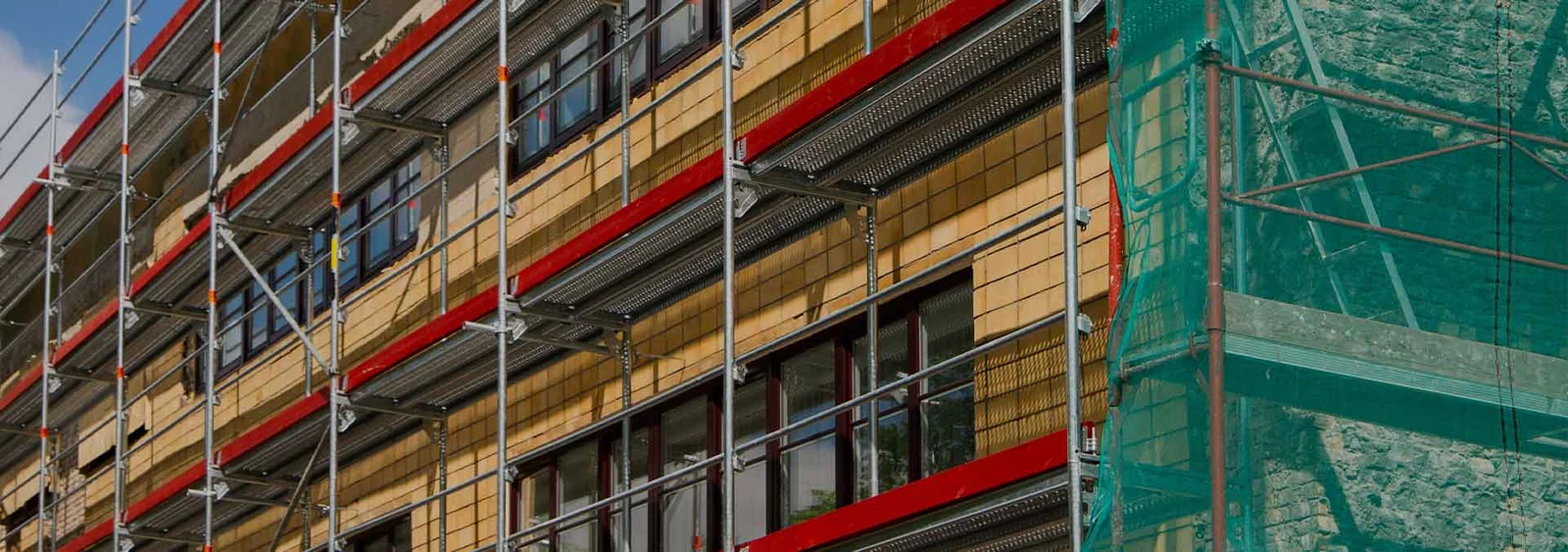
Commercial restoration in Genesee, CO addresses water damage, fire incidents, storm destruction, and mold contamination for business properties. The mountain location at 7,800 feet elevation creates unique challenges including extreme temperature swings, ice dams, and wildfire smoke exposure.
- Best Option Restoration of Lakewood provides 24/7 emergency response with IICRC-certified technicians who use specialized high-altitude drying protocols and thermal imaging to detect hidden moisture.
- Genesee's 1970s-90s construction features wood-frame buildings with cathedral ceilings and older plumbing systems that require careful moisture management during restoration.
- The company handles insurance documentation including photos, moisture readings, and progress logs while working directly with adjusters to support claims.
Commercial restoration refers to the specialized processes used to return business properties to their pre-loss condition after damage occurs. This includes addressing water damage, fire incidents, storm destruction, and mold contamination. Professional restoration teams work to repair structural damage, remove hazardous materials, and restore affected areas so businesses can resume normal operations as quickly as possible.
Overview
What happens to your business when disaster strikes without warning? For commercial property owners in Genesee, CO, this question carries real weight. Commercial restoration encompasses the specialized processes required to return business properties to their pre-loss condition following water damage, fire incidents, storm destruction, or mold contamination.
Professional commercial restoration differs significantly from residential work. Business properties present unique challenges – larger square footage, complex HVAC systems, specialized equipment, inventory considerations, and the pressing need to minimize operational downtime. In Genesee's mountain environment, where properties face elevation-related stress and dramatic weather shifts, these challenges multiply.
- Rapid response protocols designed to reduce business interruption
- Specialized equipment capable of handling large-scale commercial spaces
- Coordination with business operations to maintain functionality when possible
- Documentation systems that satisfy insurance and regulatory requirements
Genesee's position at approximately 7,800 feet elevation creates specific restoration demands. The thin mountain air affects drying times, while the community's mix of retail establishments, professional offices, and hospitality businesses each require tailored restoration approaches.
Common Issues in Genesee, CO
When Commercial Restoration Demand Peaks in Genesee
Snowmelt and spring storms cause water intrusion and flooding damage to commercial properties in this mountain community.
Peak wildfire risk in the Colorado foothills leads to smoke damage and fire restoration needs for businesses.
Heavy snow loads, ice dams, and frozen pipe bursts create urgent restoration needs for commercial buildings.
Genesee sits in a transitional zone between the Denver metro area and the high mountains, creating a unique set of commercial restoration challenges. The community's elevation and mountain microclimate expose business properties to conditions rarely encountered in lower elevations.
Winter brings the most frequent restoration needs. Heavy snow accumulation on commercial roofs can lead to ice dam formation and subsequent water intrusion. When temperatures fluctuate rapidly – sometimes swinging 40 degrees in a single day – the freeze-thaw cycle stresses building materials and plumbing systems. Pipe bursts during cold snaps represent one of the most common emergency calls for Genesee businesses.
Local Factors Contributing to Commercial Restoration Needs
- Elevation stress on roofing materials and exterior seals, causing premature deterioration
- Intense UV radiation at altitude that degrades building components faster than at sea level
- Wildfire risk during dry seasons, requiring smoke damage remediation even from distant fires
- Mountain thunderstorms producing hail, high winds, and lightning strikes
- Limited commercial building density means delayed detection of problems in vacant periods
- Wildlife intrusion creating unexpected water damage from compromised building envelopes
Business owners should watch for warning signs including water stains on ceiling tiles, musty odors in storage areas, unexplained increases in utility bills, and visible condensation on windows or walls. Spring snowmelt season and late summer monsoon periods typically generate the highest volume of restoration needs.
How Best Option Restoration of Lakewood Can Help
Our commercial restoration process begins the moment you contact us. We recognize that every hour of business interruption affects your bottom line, your employees, and your customers.
Our Step-by-Step Restoration Process
- Emergency response and initial assessment – our team arrives to evaluate damage scope and implement immediate protective measures
- Water extraction and debris removal – industrial-grade equipment removes standing water and damaged materials
- Structural drying and dehumidification – commercial air movers and dehumidifiers work around the clock, adjusted for Genesee's elevation
- Cleaning and sanitization – antimicrobial treatments prevent secondary damage from mold or bacteria
- Restoration and reconstruction – skilled technicians return your property to pre-loss condition
- Final inspection and documentation – thorough review with complete records for your files
Methods and Techniques
- Thermal imaging to detect hidden moisture within walls and under flooring
- Hydroxyl generators for odor elimination without evacuating the building
- Negative air pressure containment to prevent cross-contamination
- Specialized drying protocols adjusted for high-altitude conditions
Throughout the restoration, we maintain open communication with you. Expect regular updates via your preferred method – phone, email, or text. Our project managers provide detailed progress reports and coordinate scheduling around your business operations whenever feasible. Quality control inspections occur at each phase transition, with moisture readings documented and compared against industry standards.
Insurance & Documentation
Commercial property damage claims require meticulous documentation. We've developed systems specifically to support your insurance process while protecting your interests.
From the first moment on site, our technicians photograph and video record all damage. We create detailed inventories of affected materials, equipment, and inventory. Moisture readings are logged with timestamps and locations, creating an objective record of conditions and our remediation progress.
Documentation We Provide
- Comprehensive photo and video evidence of initial damage conditions
- Detailed scope of work documents with line-item descriptions
- Daily progress logs with moisture readings and equipment placement
- Material and labor records for insurance adjuster review
- Final completion reports with before-and-after comparisons
We work directly with your insurance adjuster, providing whatever documentation they request. Our team holds IICRC certifications – the industry standard that insurance companies recognize and trust. We follow ANSI/IICRC S500 standards for water damage and S520 standards for mold remediation, giving adjusters confidence in our work quality and methodology.
Why Choose Best Option Restoration of Lakewood
Our team brings specific qualifications that matter for Genesee commercial properties. IICRC certifications in water damage restoration, fire and smoke restoration, and applied structural drying mean our technicians understand the science behind effective restoration – not just the mechanics.
We know the Genesee area. We understand how mountain properties behave differently than Denver metro buildings. Our proximity means faster response times when emergencies occur, and our familiarity with local building codes and inspection requirements streamlines the restoration process.
- 24/7 emergency response availability – disasters don't follow business hours
- Direct insurance billing to reduce your administrative burden
- Commercial-grade equipment inventory ready for large-scale projects
- Local team members who understand mountain community dynamics
We follow up after project completion to verify your satisfaction and address any concerns. Your business reputation depends on your facility – we treat that responsibility seriously.
Housing Characteristics & Commercial Restoration Considerations
Genesee developed primarily during the 1970s through 1990s as a mountain residential community with limited commercial development. Most structures in the area date from this period, featuring construction methods common to Colorado mountain building practices of that era. Properties typically showcase post-and-beam construction, heavy timber elements, and large window installations designed to capture mountain views.
Commercial properties in Genesee tend toward smaller footprints compared to urban areas. You'll find professional offices, small retail establishments, and hospitality-related businesses rather than large industrial facilities. Many commercial spaces occupy mixed-use buildings or converted residential structures, creating unique restoration challenges.
Construction Characteristics Affecting Restoration
- Wood-frame construction prevalent throughout the area requires careful moisture management
- Cathedral ceilings and open floor plans common in 1970s-80s construction complicate drying processes
- Original plumbing in older buildings may include materials now considered problematic
- Insulation standards from construction era often inadequate by current codes
- Flat or low-slope roof sections on commercial buildings prone to ponding and ice dams
Properties built before 1990 may contain asbestos in floor tiles, insulation, or roofing materials – a consideration during any restoration project. Our teams conduct appropriate assessments and follow Colorado regulations for handling any hazardous materials encountered during commercial restoration work.
Environmental Conditions & Commercial Restoration Implications
Genesee's environmental profile directly influences commercial restoration needs and methods. The community experiences a semi-arid mountain climate with distinct seasonal patterns. Annual precipitation averages around 18-20 inches, arriving primarily as winter snow and summer afternoon thunderstorms. Humidity levels remain low most of the year – typically 30-40% – which affects both damage patterns and restoration approaches.
Air quality in Genesee generally rates excellent due to elevation and distance from major pollution sources. However, wildfire smoke from regional fires can dramatically impact air quality during summer and fall months. Commercial properties may require smoke odor remediation even when fires burn miles away, as mountain air patterns can funnel smoke through the Genesee corridor.
Environmental Factors in Restoration Planning
- Low ambient humidity accelerates natural drying but can cause secondary damage to wood materials if not controlled
- Intense solar radiation at 7,800 feet elevation speeds exterior material degradation
- Soil composition featuring decomposed granite creates drainage challenges around foundations
- Temperature extremes – from below zero winters to 90-degree summer days – stress building materials
- Spring runoff patterns can overwhelm drainage systems and cause unexpected water intrusion
Water quality from the Denver Water system serving parts of Genesee meets all federal standards, though mineral content can leave deposits in plumbing systems over time. Our restoration processes account for these local water characteristics when cleaning and treating affected areas.
Population Characteristics & Commercial Restoration Considerations
Genesee maintains a small, affluent population with distinct characteristics that shape commercial restoration needs. The community of approximately 3,500 residents represents one of the higher median household income areas in Jefferson County, with many residents employed in professional, technical, and executive positions in the Denver metro area.
This demographic profile influences the types of commercial establishments present and their restoration expectations. Local businesses cater to residents with high service expectations and the financial capacity to maintain properties properly. Commercial property owners in Genesee typically carry comprehensive insurance coverage and expect restoration work that meets premium standards.
Population Factors Affecting Commercial Restoration
- High percentage of homeowners versus renters translates to property owner investment in quality
- Many residents work remotely, increasing demand for professional office spaces
- Aging population segment requires accessibility considerations during restoration
- Seasonal population fluctuations affect business occupancy patterns
- Strong community network means reputation and referrals drive business relationships
The population density remains low – characteristic of mountain communities – meaning commercial properties serve both local residents and travelers on I-70. This dual customer base creates specific restoration urgency for hospitality and retail businesses that cannot afford extended closures during peak travel seasons.
Wildfire Risk & Commercial Property Protection in Genesee
Genesee sits within Colorado's wildland-urban interface, where developed areas meet fire-prone natural landscapes. This positioning creates specific commercial restoration considerations that property owners must understand. Jefferson County fire officials classify portions of Genesee as high wildfire risk zones, and several significant fires have threatened the community in recent decades.
Commercial properties face both direct fire damage risk and secondary impacts from nearby fires. Smoke damage can affect businesses miles from actual flames, penetrating HVAC systems, settling into inventory, and permeating building materials. The 2020 fire season demonstrated how quickly smoke conditions can deteriorate, with air quality reaching hazardous levels for extended periods.
Wildfire-Related Commercial Restoration Statistics
- Jefferson County averages 150-200 wildfire ignitions annually, with increased activity during drought years
- Smoke damage claims in mountain communities increased 40% over the past decade
- Commercial properties with proper defensible space suffer 60% less damage during fire events
- Post-fire flooding affects properties in burn scar watersheds for 3-5 years following major fires
- Insurance carriers increasingly require fire mitigation documentation for mountain commercial policies
Our restoration services address the full spectrum of wildfire-related damage. Beyond obvious fire and smoke damage, we handle water damage from firefighting efforts, soot contamination of inventory and equipment, and odor elimination that meets commercial occupancy standards. We also assist with pre-fire documentation that can expedite claims processing if disaster strikes.
Understanding Genesee's wildfire risk profile helps commercial property owners prepare appropriately. We recommend annual HVAC inspections, air filtration upgrades for smoke season, and maintaining current inventory records to support potential claims. These preventative measures reduce both restoration scope and business interruption when fire-related events occur.
Weather & Alerts in Genesee, CO
Current Conditions
Temp: 66°F · Feels like: 67°F
Humidity: 94% · Wind: 6 mph
Emergency Alerts
No active alerts.
Commercial Restoration in Other Service Areas
Useful Numbers
- Life-threatening emergencies
- 911
- Poison Control
- 1-800-222-1222
- Suicide Prevention Lifeline
- 988
- Police (non-emergency)
- Visit your local police department website
- Fire Department (non-emergency)
- Check the Genesee city website
- City Hall
- Available on the official Genesee government website
- Non-Emergency Services
- Call 311 if available in your area
Always verify numbers from official city/county websites.