
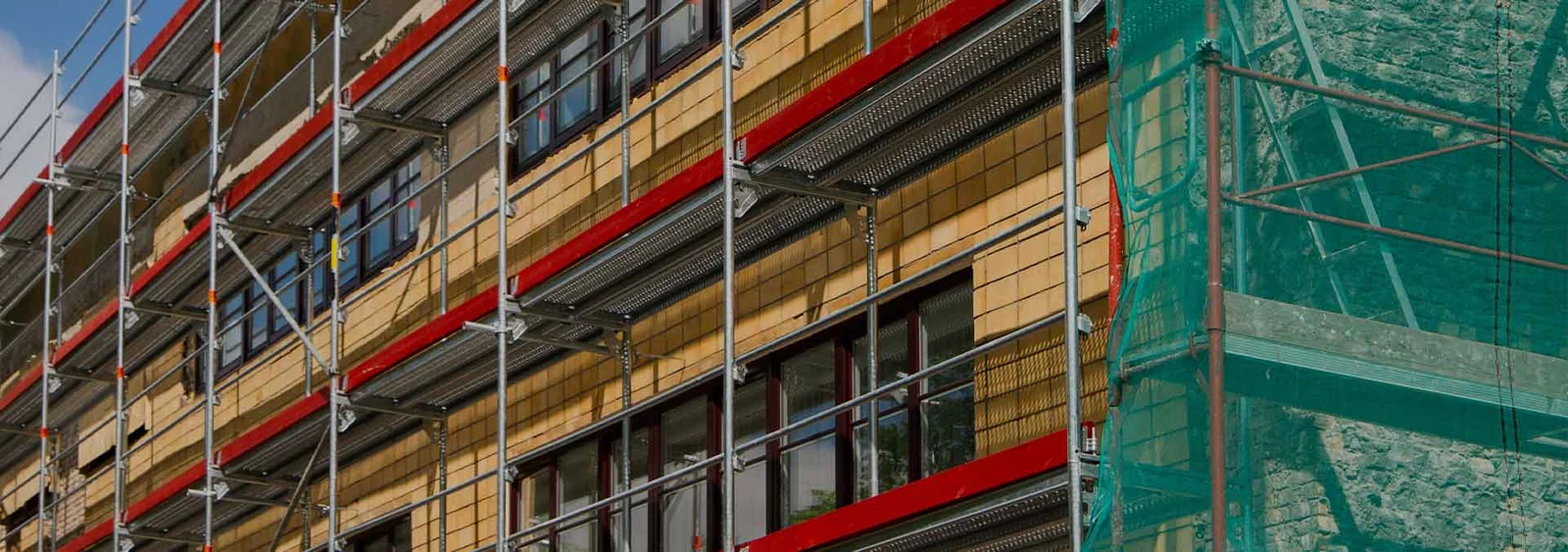
Best Option Restoration of Lakewood provides commercial restoration services in Applewood, CO, addressing water damage, fire incidents, mold, and storm destruction for business properties in this established community.
- The company offers 24/7 emergency response with IICRC-certified technicians and handles insurance documentation and claims assistance directly. Their process includes damage assessment, containment, structural drying, and reconstruction.
- Applewood's location at 5,500 feet elevation creates specific challenges including hailstorms, rapid temperature swings, low humidity, and wildfire smoke infiltration that affect commercial properties.
- Most commercial buildings in the area date from 1950 to 1980, featuring flat roofs, older plumbing systems, and potential asbestos-containing materials that require specialized restoration approaches.
Commercial restoration in Applewood, CO refers to professional services that repair and restore business properties after damage from water, fire, storms, or other disasters. These services help local businesses recover quickly by addressing structural damage, removing water or debris, preventing mold growth, and returning the property to a safe, operational condition so owners can resume normal business activities.
Overview
When a pipe burst flooded the storage room of a small retail shop in Applewood last winter, the owner faced a daunting reality: inventory damaged, business operations halted, and customers unable to enter. Within hours, the situation transformed from a minor leak into a full-scale commercial restoration project requiring professional intervention.
Commercial restoration encompasses the complete recovery of business properties following water damage, fire incidents, mold contamination, storm destruction, or other catastrophic events. This specialized field addresses the unique challenges that commercial spaces present – from protecting sensitive equipment and inventory to minimizing business interruption and maintaining compliance with safety regulations.
Professional commercial restoration matters because business properties demand expertise beyond residential approaches. Applewood's location along the Front Range brings specific challenges, including rapid temperature fluctuations, occasional severe weather, and the semi-arid climate that can mask moisture problems until they become severe.
- Rapid response teams equipped for large-scale commercial spaces
- Specialized equipment designed for business environments
- Documentation protocols that satisfy insurance and regulatory requirements
- Coordinated scheduling to minimize operational downtime
Common Issues in Applewood, CO
When Commercial Restoration Demand Peaks in Applewood
Colorado's severe spring storms bring hail, wind damage, and flooding that frequently impact commercial properties.
Heavy snow loads, ice dams, and frozen pipe bursts cause significant commercial property damage requiring restoration.
Summer monsoon storms bring flash flooding and water intrusion to commercial buildings in the Denver metro area.
Applewood's position in Jefferson County creates a unique set of restoration challenges for commercial properties. The community sits at approximately 5,500 feet elevation, where thin air and intense UV exposure accelerate roofing material degradation and increase the likelihood of weather-related damage.
Seasonal transitions in this region prove particularly problematic for business owners. Spring snowmelt combined with afternoon thunderstorms can overwhelm drainage systems, while winter freeze-thaw cycles stress plumbing infrastructure throughout commercial buildings.
Local Factors Contributing to Restoration Needs
- Hailstorms during late spring and summer months cause roof and exterior damage to commercial structures
- Rapid temperature swings – sometimes exceeding 40 degrees in a single day – stress building materials and HVAC systems
- Low humidity levels create static electricity concerns in electronics-heavy commercial environments
- Aging commercial infrastructure in established business areas shows wear from decades of Colorado weather
- Wildfire smoke infiltration during summer months affects indoor air quality and HVAC systems
- Flash flooding from sudden downpours impacts ground-level commercial spaces
Warning signs that commercial property owners should monitor include unexplained increases in utility bills, musty odors in storage areas, visible water staining on ceiling tiles, and condensation patterns on windows or pipes. Catching these indicators early often prevents minor issues from escalating into major restoration projects.
How Best Option Restoration of Lakewood Can Help
Our commercial restoration process begins the moment you contact us. We understand that every hour of business interruption affects your bottom line, your employees, and your customers.
Our Step-by-Step Restoration Process
- Emergency response and initial assessment – our team arrives promptly to evaluate damage scope and implement immediate protective measures
- Detailed documentation and damage mapping – we photograph, catalog, and record all affected areas for insurance and planning purposes
- Containment and prevention – we stop damage progression using barriers, extraction equipment, and environmental controls
- Removal and remediation – damaged materials are safely removed while salvageable items receive appropriate treatment
- Structural drying and dehumidification – industrial equipment ensures complete moisture elimination from all building materials
- Cleaning and sanitization – commercial-grade antimicrobial treatments address contamination concerns
- Reconstruction and restoration – we rebuild affected areas to pre-loss condition or better
- Final inspection and clearance testing – comprehensive verification confirms restoration success
Techniques and Equipment
- Thermal imaging cameras detect hidden moisture within walls and flooring
- Commercial-grade air scrubbers remove particulates and odors
- Desiccant dehumidification systems handle large-volume spaces efficiently
- Hydroxyl generators eliminate odors without harsh chemicals
- Moisture meters provide ongoing monitoring throughout the drying process
Throughout every phase, we maintain open communication with property owners, facility managers, and stakeholders. Regular progress updates, clear timeline expectations, and responsive answers to questions keep everyone informed as restoration progresses.
Insurance & Documentation
Commercial restoration projects generate substantial paperwork, and proper documentation protects your interests throughout the claims process. Our team understands what insurance adjusters need and how to present damage assessments in formats that facilitate claim approval.
From the initial walkthrough, we create comprehensive records that serve multiple purposes – supporting insurance claims, satisfying regulatory requirements, and providing reference materials for future maintenance planning.
Documentation We Provide
- Timestamped photographs and video of all damage before, during, and after restoration
- Detailed moisture readings and environmental measurements
- Itemized inventory of damaged materials and equipment
- Daily progress logs with work completed and conditions observed
- Material safety data sheets for all products used during restoration
- Final completion reports with clearance testing results
We work directly with insurance representatives, providing requested information promptly and advocating for appropriate coverage of restoration costs. Our team holds IICRC certifications – the industry standard that insurance companies recognize – ensuring our methods and documentation meet professional benchmarks.
Why Choose Best Option Restoration of Lakewood
Local knowledge makes a measurable difference in commercial restoration outcomes. Our team knows Applewood's building stock, understands the specific challenges that Jefferson County weather presents, and maintains relationships with local suppliers and contractors that accelerate project timelines.
We respond around the clock because emergencies don't follow business hours. When water is flooding your retail space at 2 AM or smoke damage is discovered before Monday's opening, our crews mobilize immediately.
- IICRC-certified technicians trained in water, fire, mold, and storm damage restoration
- 24/7 emergency response with rapid arrival times throughout the Lakewood area
- Direct insurance billing and claims assistance that reduces your administrative burden
- State-of-the-art equipment maintained and calibrated for optimal performance
- Transparent communication with dedicated project managers for each job
Our commitment extends beyond completing the restoration. We provide guidance on preventing future incidents and remain available for questions long after the project concludes.
Housing Characteristics & Commercial Restoration Considerations
Applewood developed primarily between 1950 and 1980, with the majority of structures reflecting mid-century construction methods common throughout suburban Denver. This established community features predominantly single-family residences, though commercial properties along major corridors like West Colfax Avenue and Youngfield Street include a mix of retail strip centers, professional office buildings, and light industrial facilities.
Commercial buildings from this era typically feature flat or low-slope roofing systems, masonry or concrete block construction, and HVAC infrastructure that has undergone multiple updates over the decades. These characteristics create specific restoration considerations.
Construction-Related Restoration Factors
- Older flat roofs with built-up roofing materials are prone to ponding water and membrane failures
- Original plumbing systems – often galvanized steel or early copper – show corrosion and joint weakness
- Asbestos-containing materials may be present in buildings constructed before 1980, requiring specialized handling
- Electrical systems in older commercial buildings may not support modern equipment loads, complicating restoration planning
- Single-pane windows and minimal insulation in vintage structures affect moisture control during restoration
Understanding these building characteristics allows our restoration teams to anticipate challenges, prepare appropriate materials, and execute projects efficiently. We recognize that a 1960s-era office building presents different restoration dynamics than a recently constructed retail space.
Environmental Conditions & Commercial Restoration Implications
Applewood's environmental profile directly influences commercial restoration approaches. The Denver metropolitan area experiences semi-arid conditions with average annual precipitation around 15 inches – yet this modest rainfall arrives in concentrated bursts that challenge drainage systems. Summer afternoon thunderstorms can drop an inch of rain in under an hour, overwhelming gutters and creating flash flooding conditions.
Air quality in the Applewood area fluctuates seasonally. Winter temperature inversions trap pollutants along the Front Range, while summer wildfire smoke from regional fires degrades air quality for days or weeks. These conditions affect both the need for restoration services and the methods employed during projects.
Environmental Factors Affecting Restoration
- Low relative humidity – typically 30-40% – accelerates drying but can cause wood materials to crack if not managed properly
- Intense UV exposure at elevation degrades exterior materials faster than at sea level
- Clay-heavy soils in portions of Applewood expand and contract with moisture changes, affecting foundations
- Groundwater levels vary by neighborhood, with some areas experiencing higher water tables that complicate basement restoration
- Wildfire smoke infiltration requires specialized air filtration and HVAC cleaning protocols
Our restoration protocols account for these environmental realities. We adjust drying timelines based on ambient humidity, use UV-resistant materials for exterior repairs, and implement air quality controls that address regional pollution concerns.
Population Characteristics & Commercial Restoration Considerations
Applewood maintains a stable, established population with household incomes generally above the national median. This suburban community attracts professionals working throughout the Denver metro area, creating demand for diverse commercial services – from professional offices and medical practices to retail and dining establishments.
The demographic composition influences commercial restoration needs in several ways. Higher income levels correlate with expectations for quality workmanship and premium finishes. Professional service businesses require restoration approaches that protect sensitive equipment and client records.
Population-Driven Service Considerations
- Professional office spaces contain computers, servers, and documents requiring specialized protection during restoration
- Medical and dental practices need restoration that maintains regulatory compliance and patient confidentiality
- Retail establishments serving the community depend on rapid restoration to maintain customer relationships
- Restaurants and food service businesses face health department requirements that affect restoration timelines
- Aging commercial property owners may need guidance navigating insurance processes and contractor selection
The community's established nature means many business owners have deep roots in Applewood. They value contractors who understand local expectations and deliver consistent results. Our reputation within the community reflects years of successful projects and satisfied commercial clients.
Commercial Property Trends in Applewood
Applewood's commercial landscape reflects broader patterns throughout Jefferson County's established suburban corridors. The area's commercial real estate market shows steady occupancy rates, with West Colfax Avenue serving as the primary commercial artery connecting Applewood to both Denver and the mountain communities to the west.
Recent years have brought increased investment in commercial property updates and renovations. Building owners recognize that modernizing aging infrastructure – including plumbing, electrical, and HVAC systems – reduces restoration risks while improving property values.
Commercial Property Statistics and Trends
- Average commercial building age in the Applewood area exceeds 40 years, creating ongoing maintenance and restoration needs
- Retail vacancy rates remain relatively low, indicating active commercial use that makes restoration response times critical
- Mixed-use developments combining retail and office space require restoration approaches addressing multiple occupancy types
- Small business ownership predominates, with owner-operators who depend on rapid restoration to maintain livelihoods
- Property insurance costs have increased regionally, making thorough documentation and proper restoration methods increasingly valuable
The commercial property market in Applewood supports diverse businesses – from longtime family-owned shops to professional services and emerging enterprises. Each property type presents unique restoration requirements, from the inventory protection needs of retail spaces to the technology concerns of professional offices.
Understanding these commercial property dynamics helps our team approach each restoration project with appropriate context. We recognize that a disrupted business affects not just the property owner but employees, customers, and the broader Applewood community that depends on local commercial services.
Weather & Alerts in Applewood, CO
Current Conditions
Temp: 61°F · Feels like: 59°F
Humidity: 58% · Wind: 11 mph
Emergency Alerts
No active alerts.
Commercial Restoration in Other Service Areas
Useful Numbers
- Life-threatening emergencies
- 911
- Poison Control
- 1-800-222-1222
- Suicide Prevention Lifeline
- 988
- Police (non-emergency)
- Visit your local police department website
- Fire Department (non-emergency)
- Check the Applewood city website
- City Hall
- Available on the official Applewood government website
- Non-Emergency Services
- Call 311 if available in your area
Always verify numbers from official city/county websites.