
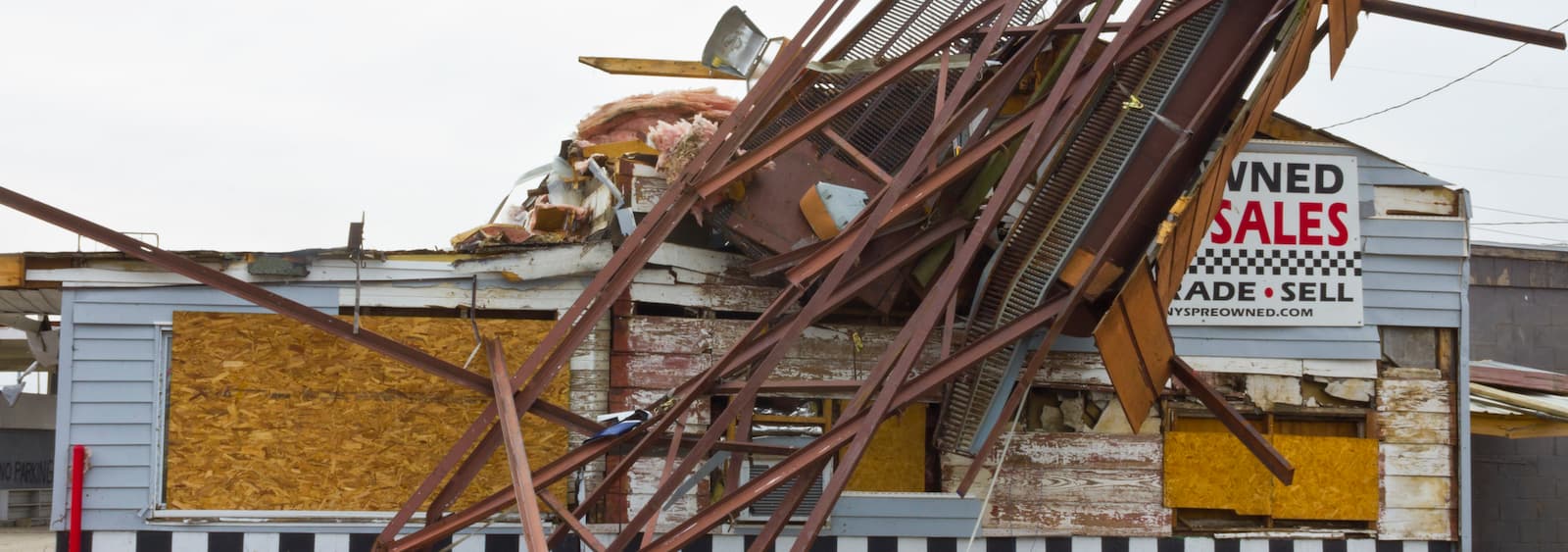
Property damage cleanup in Morrison, CO requires specialized expertise due to the town's unique foothill location at 5,800 feet along Bear Creek. Best Option Restoration of Lakewood provides 24/7 emergency response for storm, fire, and water damage affecting this mountain community.
- Morrison faces distinct risks including flash flooding from Bear Creek, wildfire smoke infiltration, ice dam formation, and canyon-channeled wind damage that differ from typical suburban conditions.
- The restoration process includes emergency assessment, water extraction, structural drying with industrial equipment, contamination treatment, and detailed documentation for insurance claims.
- Local housing ranges from 1800s historic structures to modern mountain homes, with older properties potentially containing asbestos or lead paint that requires specialized handling during restoration.
Property damage cleanup in Morrison, CO involves professional restoration services that address damage from storms, fires, and water intrusion. Due to Morrison's unique foothill location at 5,800 feet along Bear Creek, cleanup requires specialized knowledge to handle the distinct challenges created by the area's elevation and mountain environment. Immediate response and expert techniques help restore properties effectively.
Overview
What happens when disaster strikes your Morrison property without warning? Whether you're facing the aftermath of a severe storm, fire damage, or unexpected water intrusion, property damage cleanup demands immediate attention and professional expertise. Morrison's unique foothill location – nestled at 5,800 feet along Bear Creek – creates distinct challenges that require specialized restoration knowledge.
Property damage cleanup encompasses the complete process of assessing, removing, and restoring areas affected by destructive events. This includes debris removal, structural drying, contamination remediation, and preparing spaces for reconstruction. Professional intervention prevents secondary damage like mold growth and structural deterioration while protecting your family's health.
- Rapid assessment and containment to prevent damage spread
- Safe removal of hazardous materials and contaminated debris
- Thorough documentation for insurance purposes
- Complete sanitization and restoration preparation
Common Issues in Morrison, CO
When Property Damage Peaks in Morrison
Colorado's Front Range experiences intense hail storms, flash floods, and wind damage during summer monsoon season.
Snowmelt from the foothills combined with spring rains causes water damage to properties near Bear Creek.
Heavy snow loads, ice dams, and frozen pipe bursts create significant property damage in mountain communities.
Morrison's dramatic canyon geography creates property damage scenarios rarely seen in typical suburban communities. Flash flooding along Bear Creek poses a persistent threat, particularly during Colorado's intense afternoon thunderstorms that funnel water rapidly through the narrow valley. Properties along the creek corridor face elevated risk during spring snowmelt when water levels can rise unexpectedly.
The town's proximity to wildfire-prone terrain adds another layer of concern. Red flag warning days bring heightened anxiety for Morrison homeowners, and even fires that don't directly impact structures can leave properties coated in ash and smoke residue requiring professional cleanup. Winter conditions present their own challenges – ice dam formation on older roofs and frozen pipe bursts during extended cold snaps create water damage emergencies.
- Flash flood debris and sediment accumulation from Bear Creek
- Wildfire smoke infiltration and exterior ash deposits
- Wind damage from canyon-channeled gusts exceeding typical Front Range conditions
- Ice dam formation on mountain-facing roof slopes
- Rockslide and mudslide impacts on hillside properties
- Wildlife intrusion damage from bears, mountain lions, and smaller animals
Watch for warning signs including musty odors after storms, discoloration on walls or ceilings, warped flooring, and unusual pest activity. Early detection significantly reduces restoration scope and cost.
How Best Option Restoration of Lakewood Can Help
Our restoration process begins the moment you contact us. Understanding that property damage creates immediate stress, our team mobilizes quickly to assess your situation and implement protective measures.
Our Step-by-Step Restoration Process
- Emergency response and initial damage assessment within hours of your call
- Containment measures to prevent damage migration to unaffected areas
- Water extraction and debris removal using commercial-grade equipment
- Structural drying with industrial dehumidifiers and air movers
- Contamination testing and antimicrobial treatment as needed
- Detailed documentation and progress reporting throughout the project
- Final inspection and restoration completion verification
Specialized Techniques We Employ
- Thermal imaging to detect hidden moisture pockets behind walls
- HEPA filtration for airborne particulate removal
- Hydroxyl generators for odor neutralization without harsh chemicals
- Controlled demolition techniques that preserve salvageable materials
- Moisture mapping to track drying progress scientifically
Communication remains central to our approach. You'll receive regular updates via your preferred method – phone, text, or email – and our project managers remain accessible to answer questions throughout the restoration timeline. Quality checkpoints occur at each phase transition, with documented verification before proceeding.
Insurance & Documentation
Proper documentation transforms a stressful insurance claim into a manageable process. Our team captures comprehensive evidence from the initial assessment through project completion, creating a clear record that supports your claim.
We photograph and video document all damage before any cleanup begins. Moisture readings, air quality measurements, and material assessments are logged with timestamps. This detailed record demonstrates the scope of damage and justifies the restoration work performed.
- Timestamped photo and video documentation of all affected areas
- Moisture content readings and drying progress logs
- Itemized inventory of damaged materials and contents
- Daily work logs detailing activities and equipment usage
- Air quality testing results when contamination is suspected
- Final completion reports with before and after comparisons
Our team works directly with insurance adjusters, providing requested documentation promptly and explaining technical aspects of the restoration process. We hold IICRC certifications that insurance companies recognize and respect, lending credibility to our assessments and recommendations.
Why Choose Best Option Restoration of Lakewood
Serving Morrison and the surrounding foothill communities gives us firsthand knowledge of the unique challenges mountain properties face. Our technicians understand how canyon weather patterns differ from Denver metro conditions and adjust their approach accordingly. This local expertise translates to more effective restoration outcomes.
We maintain 24/7 availability because property damage doesn't follow business hours. When a pipe bursts at midnight or a storm damages your roof on Sunday, our emergency response team deploys without delay. Rapid response minimizes secondary damage and reduces overall restoration costs.
- IICRC-certified technicians in water, fire, and mold restoration
- Direct insurance billing to reduce your administrative burden
- Locally owned with deep roots in the Lakewood and Morrison communities
- Advanced equipment fleet maintained for immediate deployment
- Satisfaction guarantee with follow-up inspections after completion
Housing Characteristics & Property Damage Cleanup Considerations
Morrison's housing stock reflects its evolution from a historic mining town to a sought-after mountain community. The oldest structures date to the late 1800s, with significant building periods occurring in the 1950s through 1970s as the town became a suburban retreat. More recent construction from the 1990s onward includes custom mountain homes on larger lots.
Single-family homes dominate Morrison's landscape, typically ranging from 1,200 to 2,800 square feet. Many properties feature walkout basements built into hillsides – a design that maximizes views but creates unique water intrusion vulnerabilities. Construction materials vary widely by era:
- Historic structures often feature stone foundations and original wood framing
- Mid-century homes typically have concrete block foundations with wood frame construction
- Newer mountain homes incorporate engineered lumber and modern moisture barriers
- Many properties include wood shake or metal roofing suited to mountain aesthetics
These housing characteristics directly impact cleanup requirements. Older homes may contain asbestos insulation or lead paint requiring specialized handling during restoration. Hillside construction means water can enter from upslope rather than just through roofs, necessitating thorough inspection of foundation walls and crawl spaces. The prevalence of natural wood siding and decking increases fire vulnerability and requires careful post-fire assessment for structural integrity.
Environmental Conditions & Property Damage Cleanup Implications
Morrison's environmental profile differs markedly from nearby Denver suburbs. Situated in the Bear Creek Canyon corridor, the town experiences microclimatic conditions influenced by elevation, terrain, and proximity to mountain watersheds. Average annual precipitation reaches approximately 18 inches, with significant variation between canyon bottom and ridge properties.
Air quality in Morrison generally rates better than urban areas, though wildfire smoke events can temporarily create hazardous conditions. The canyon acts as a natural funnel, concentrating smoke during fire season. Soil composition varies from rocky mountain substrate to alluvial deposits near the creek – affecting drainage patterns and foundation stability:
- Rocky soils provide excellent drainage but complicate excavation for repairs
- Clay deposits on some properties cause expansion and contraction with moisture changes
- Creek-adjacent lots face periodic sediment deposition during flood events
- Steep slopes increase erosion risk following vegetation loss from fire or construction
Water quality from Morrison's municipal system meets all safety standards, though mineral content can contribute to fixture buildup. Properties on well water require additional considerations during restoration, as contamination events may affect private water supplies. Our cleanup protocols account for these environmental factors, adjusting drying times for elevation effects on evaporation and selecting appropriate antimicrobial treatments for local conditions.
Population Characteristics & Property Damage Cleanup Considerations
Morrison maintains a small-town character with approximately 430 permanent residents, though the population swells significantly during Red Rocks concert season and weekend tourism. This creates a unique service dynamic – property damage may occur when homeowners are present or when vacation properties sit unoccupied for extended periods.
Household incomes in Morrison trend above Jefferson County averages, reflecting the premium placed on mountain living within commuting distance of Denver. Many residents work in professional services, technology, or creative industries, with home offices increasingly common. This demographic profile influences restoration priorities:
- Home office equipment and electronics require careful handling during water damage events
- Higher property values justify comprehensive restoration over basic repairs
- Professional schedules may limit homeowner availability during restoration work
- Investment in quality materials and finishes demands matching restoration standards
The community includes both long-term residents deeply connected to Morrison's heritage and newer arrivals attracted by mountain lifestyle accessibility. Older residents may occupy historic homes requiring sensitive restoration approaches, while newer homeowners often have specific expectations about modern restoration techniques. Our team adapts communication and service delivery to match each household's needs and preferences.
Wildfire Risk Statistics in Morrison
Morrison's location within the wildland-urban interface places it among Colorado communities with elevated wildfire exposure. According to Jefferson County's Community Wildfire Protection Plan, properties along the Bear Creek corridor and extending into the adjacent foothills face moderate to high fire risk ratings. This designation reflects fuel loads, terrain, and historical fire activity in the region.
Recent years have demonstrated this risk concretely. The 2020 fire season brought multiple blazes within miles of Morrison, with evacuation orders affecting nearby communities. Smoke impacts from more distant fires – including the Cameron Peak and East Troublesome fires – deposited particulates throughout the Front Range, including Morrison properties.
Key Wildfire Statistics Affecting Morrison Properties
- Jefferson County averages 150+ wildfire ignitions annually, primarily human-caused
- Red flag warning days have increased over the past decade, extending fire season
- Properties within 100 feet of wildland vegetation face highest risk classifications
- Smoke infiltration can affect indoor air quality for days following regional fire events
- Post-fire flooding risk increases dramatically in burned watersheds upstream of Morrison
These statistics directly inform our property damage cleanup approach. We maintain specialized equipment for smoke and soot remediation, understanding that fire damage extends beyond direct flame contact. Air scrubbing, ozone treatment, and thermal fogging capabilities allow comprehensive smoke odor elimination. Our team also recognizes the connection between wildfire and subsequent flood risk – burned hillsides shed water rapidly, potentially overwhelming drainage systems and depositing debris on downstream properties. This integrated understanding of Morrison's wildfire exposure shapes our preparedness and response protocols.
Weather & Alerts in Morrison, CO
Current Conditions
Temp: 46°F · Feels like: 44°F
Humidity: 57% · Wind: 3 mph
Emergency Alerts
No active alerts.
Property Damage Cleanup in Other Service Areas
Useful Numbers
- Life-threatening emergencies
- 911
- Poison Control
- 1-800-222-1222
- Suicide Prevention Lifeline
- 988
- Police (non-emergency)
- Visit your local police department website
- Fire Department (non-emergency)
- Check the Morrison city website
- City Hall
- Available on the official Morrison government website
- Non-Emergency Services
- Call 311 if available in your area
Always verify numbers from official city/county websites.