
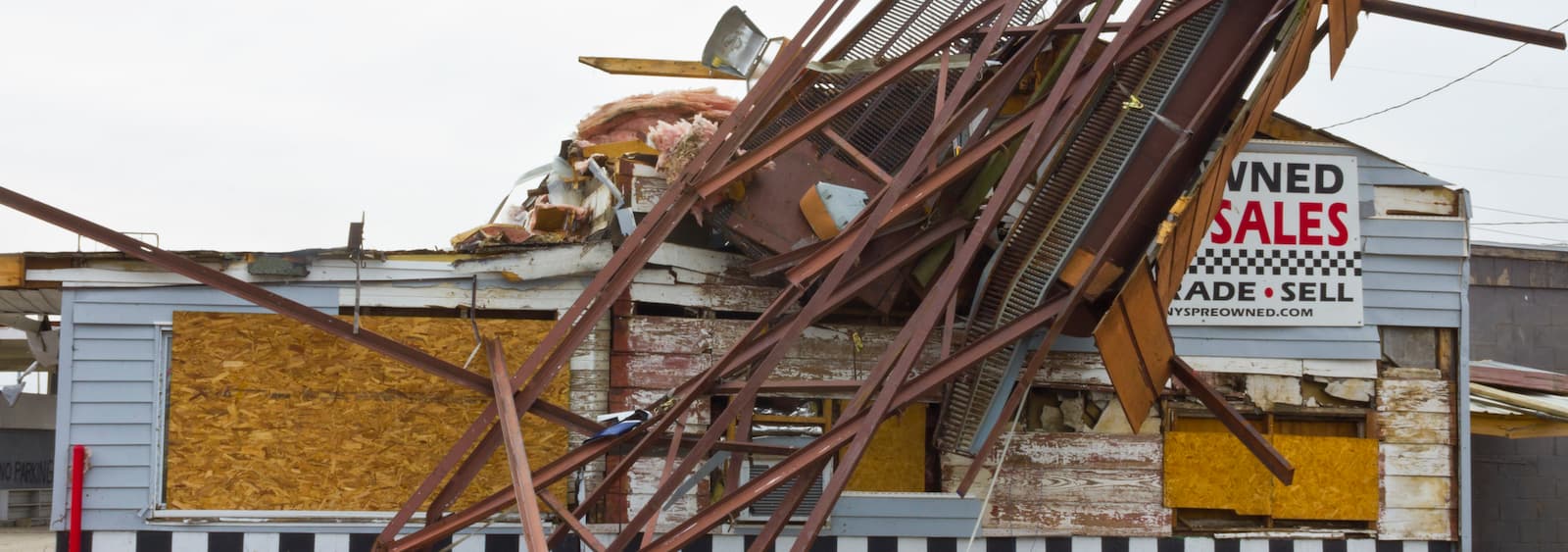
Best Option Restoration of Lakewood provides property damage cleanup services for Applewood, CO homes, offering 24/7 emergency response with specialized equipment and insurance coordination for water, fire, and storm damage situations.
- Applewood's location near the foothills exposes homes to hailstorms, rapid freeze-thaw cycles, and afternoon thunderstorms that can cause water intrusion and pipe failures. Most homes were built between 1955 and 1975 with construction features that create specific vulnerabilities during damage events.
- The cleanup process includes emergency assessment, water extraction, structural drying with industrial equipment, sanitization, and moisture verification using thermal imaging and specialized drying systems.
- The company provides detailed documentation including timestamped photos, moisture mapping reports, and disposal manifests to support insurance claims. Technicians hold IICRC certifications and follow industry standards for water damage and mold remediation.
Property damage cleanup is the process of restoring a home after unexpected events like burst pipes, storm damage, or fire-related destruction. Swift action and specialized expertise are required to prevent secondary damage from developing. Professional cleanup services work quickly to address water, smoke, debris, and structural issues to restore your living space safely and efficiently.
Overview
When unexpected damage strikes your Applewood home, the hours that follow can feel overwhelming. Whether you're facing the aftermath of a burst pipe, storm damage, or fire-related destruction, property damage cleanup requires swift action and specialized expertise to prevent secondary damage and restore your living space.
Property damage cleanup encompasses the complete process of removing debris, extracting water, eliminating smoke residue, sanitizing affected areas, and preparing your property for restoration. This work demands professional-grade equipment and trained technicians who understand how different materials respond to various types of damage. In Applewood's semi-arid climate with its dramatic temperature swings, the cleanup process requires particular attention to moisture management and structural drying protocols.
- Rapid response to minimize secondary damage and mold development
- Professional-grade extraction and drying equipment for thorough moisture removal
- Safe handling and disposal of contaminated materials following Colorado regulations
- Detailed documentation to support your insurance claim process
Common Issues in Applewood, CO
When Property Damage Peaks in Applewood
Colorado's Front Range experiences intense hailstorms, thunderstorms, and flash flooding that cause significant property damage.
Heavy snowfall, ice dams, frozen pipe bursts, and roof damage from snow accumulation drive cleanup demand.
Rapid snowmelt combined with spring rains causes basement flooding and water damage throughout the Applewood area.
Applewood sits at the base of the foothills where weather patterns can shift dramatically within hours. This unique positioning exposes homes to hailstorms that sweep down from the mountains, sudden temperature drops that freeze pipes, and intense afternoon thunderstorms during summer months.
The neighborhood's mature trees – while beautiful – create specific challenges during high wind events. Fallen branches can puncture roofs, break windows, and damage siding, allowing water intrusion that requires immediate professional attention.
Local Factors Affecting Property Damage
- Rapid freeze-thaw cycles between November and March that stress plumbing systems
- Hail events averaging golf-ball size or larger during spring and early summer
- Afternoon thunderstorms producing localized flooding, particularly near Lena Gulch drainage areas
- Older galvanized and copper plumbing in mid-century homes prone to sudden failure
- Wildfire smoke infiltration during Front Range fire seasons affecting indoor air quality
- Clay-heavy soil causing foundation shifts that crack basement walls and create water entry points
Homeowners should watch for discoloration on ceilings, musty odors in basements, warped flooring, or visible mold growth. These warning signs indicate moisture problems that require professional assessment before they escalate into larger structural concerns.
How Best Option Restoration of Lakewood Can Help
Our team responds to property damage emergencies throughout Applewood with a systematic approach designed to stabilize your property quickly while documenting everything for insurance purposes.
Our Step-by-Step Cleanup Process
- Emergency response and initial assessment – We arrive to evaluate the damage scope, identify safety hazards, and develop a cleanup strategy tailored to your specific situation.
- Water extraction and debris removal – Using truck-mounted extractors and commercial-grade pumps, we remove standing water and damaged materials that cannot be salvaged.
- Structural drying and dehumidification – Industrial air movers and desiccant dehumidifiers work continuously to pull moisture from walls, subfloors, and structural components.
- Cleaning and sanitization – Antimicrobial treatments, HEPA vacuuming, and specialized cleaning address contamination from sewage, smoke, or other hazardous materials.
- Monitoring and verification – Moisture meters and thermal imaging confirm that all affected areas have dried to acceptable levels before restoration begins.
Techniques and Equipment We Deploy
- Thermal imaging cameras to detect hidden moisture behind walls
- Hydroxyl generators for odor elimination without harsh chemicals
- Negative air machines with HEPA filtration for contaminated environments
- Injectidry systems for drying wall cavities without demolition
Throughout the process, your project manager keeps you informed with daily updates, photo documentation, and clear explanations of each phase. We coordinate directly with your insurance adjuster to streamline approvals and keep your project moving forward.
Insurance & Documentation
Proper documentation can make the difference between a smooth insurance claim and months of frustration. Our technicians are trained to capture the evidence insurance companies require while focusing on getting your cleanup started immediately.
We photograph and video all damage before beginning work, create detailed moisture mapping reports, and maintain chain-of-custody logs for removed materials. This comprehensive record-keeping supports your claim and provides a clear timeline of our work.
Documentation We Provide
- Pre-mitigation photos and video with timestamps
- Daily moisture readings and drying progress reports
- Itemized inventory of damaged contents
- Equipment placement logs showing what was used and where
- Material disposal manifests for contaminated items
- Final completion report with before-and-after comparisons
Our team holds IICRC certifications that insurance companies recognize, and we follow S500 and S520 standards for water damage and mold remediation. We communicate directly with adjusters, answer their questions, and provide supplemental documentation when requested.
Why Choose Best Option Restoration of Lakewood
We live and work in the Lakewood area, which means we understand Applewood's specific challenges – from the clay soil issues near Green Mountain to the aging infrastructure in neighborhoods built during the 1960s housing boom. When you call, you reach our local team, not a distant call center.
Our technicians maintain current certifications in water damage restoration, fire and smoke restoration, and mold remediation. We invest in ongoing training because restoration science continues to evolve, and outdated methods can leave your property vulnerable to secondary damage.
- 24/7 emergency response with typical arrival times measured in minutes, not hours
- Direct billing relationships with major insurance carriers
- Written warranties on all completed restoration work
- Fleet of fully-equipped response vehicles stationed locally
We treat every property as if it were our own home, communicating openly about what we find, what needs to happen, and what you can expect throughout the restoration process.
Housing Characteristics & Property Damage Cleanup Considerations
Most Applewood homes were constructed between 1955 and 1975, during a period when the Denver metro area experienced rapid suburban expansion. These mid-century ranch and split-level designs feature single-story footprints with basements – a layout that creates specific vulnerabilities during water damage events.
Construction methods from this era typically include:
- Poured concrete or cinder block foundations with minimal waterproofing
- Original cast iron drain lines that may have corroded over six decades
- Plaster walls or early drywall that absorbs and holds moisture
- Hardwood floors over plywood subfloors susceptible to warping
- Galvanized steel supply lines that develop pinhole leaks as they age
Homes in this age range often have finished basements that were completed years after original construction. These basement finishes frequently lack proper vapor barriers, making them particularly vulnerable to moisture intrusion from foundation cracks or failed window wells.
Average home sizes in Applewood range from 1,200 to 2,000 square feet above grade, with comparable basement footage. This moderate sizing allows for efficient equipment placement during drying operations, though the compartmentalized floor plans of mid-century homes require careful airflow management to reach all affected areas.
Environmental Conditions & Property Damage Cleanup Implications
Applewood's position along the Front Range creates a microclimate that directly impacts property damage cleanup requirements. The area receives approximately 16 inches of precipitation annually, with most falling during spring thunderstorm season and winter snowstorms. Low ambient humidity – often below 30% during winter months – accelerates structural drying but can cause secondary damage to wood finishes and furnishings if not properly managed.
Key Environmental Factors
- Elevation of approximately 5,700 feet affects equipment calibration and drying calculations
- Rapid barometric pressure changes during storm fronts can force moisture through foundation cracks
- Soil composition featuring expansive clay that swells when wet and contracts when dry
- Air quality concerns during wildfire season requiring HEPA filtration during cleanup
- Hard municipal water with mineral content that leaves residue during flood events
Colorado's environmental regulations require proper disposal of certain damaged materials, particularly those containing asbestos – common in homes built before 1980. Our technicians are trained to identify suspect materials and coordinate appropriate testing and abatement when necessary.
The dramatic temperature swings between day and night – sometimes exceeding 40 degrees – create condensation challenges that must be addressed during the drying process. We adjust equipment settings and monitor conditions around the clock to account for these fluctuations.
Population Characteristics & Property Damage Cleanup Considerations
Applewood maintains a stable, established community character with median household incomes above the national average. Many residents are long-term homeowners who have invested significantly in their properties over decades, making them particularly motivated to ensure proper restoration rather than quick fixes.
The population skews toward middle-aged and older adults, with a significant percentage of households including retirees. This demographic profile influences service delivery in several ways:
- Higher rates of homeownership mean residents have direct stakes in quality restoration
- Many households include individuals who work from home and need rapid return to normalcy
- Fixed-income retirees benefit from our direct insurance billing to minimize out-of-pocket expenses
- Established neighborhood networks mean word-of-mouth reputation carries significant weight
- Long-term residents often have detailed knowledge of previous property issues and repairs
The area's professional workforce includes many residents employed in Denver's technology, healthcare, and government sectors. These homeowners often have demanding schedules that require flexible appointment times and clear, efficient communication about project status.
Applewood's suburban density – primarily single-family homes on quarter-acre lots – means property damage events rarely affect multiple structures. However, shared fence lines and close proximity can create concerns about mold spores or odors affecting neighboring properties, requiring discreet and thorough cleanup practices.
Weather-Related Property Damage Patterns in Applewood
Jefferson County emergency management data reveals distinct seasonal patterns in property damage claims that directly affect Applewood homeowners. Understanding these patterns helps residents prepare for high-risk periods and recognize when professional cleanup services become necessary.
Seasonal Damage Trends
- March through May: Peak hail damage season, with Jefferson County averaging 8-12 significant hail events annually
- June through August: Flash flooding from afternoon thunderstorms, particularly affecting properties near drainage channels
- November through February: Frozen pipe failures spike during cold snaps below 10°F
- Year-round: Appliance failures (water heaters, washing machines, dishwashers) account for approximately 40% of residential water damage claims
The National Weather Service classifies the Denver metro area – including Applewood – as part of "Hail Alley," where atmospheric conditions create some of the most severe hailstorms in North America. Insurance industry data shows Colorado consistently ranks among the top three states for hail damage claims, with average claim values exceeding $12,000.
Properties along Lena Gulch and its tributaries face elevated flood risk during intense precipitation events. While major flooding is uncommon, localized drainage overwhelm can push water into basements and lower levels, particularly in homes with aging drainage systems or improperly graded landscapes.
Fire risk in Applewood remains moderate compared to mountain communities, but proximity to open space areas and the prevalence of mature landscaping creates fuel load concerns during drought conditions. Smoke damage from regional wildfires – even those burning miles away – can infiltrate homes and require professional cleaning of HVAC systems, soft goods, and surfaces throughout the property.
Weather & Alerts in Applewood, CO
Current Conditions
Temp: 43°F · Feels like: 37°F
Humidity: 37% · Wind: 12 mph
Emergency Alerts
- Red Flag Warning* AFFECTED AREA...Fire Weather Zones 238 and 239. * TIMING...From 8 AM to 4 PM MST Wednesday. * WINDS...West 20 to 30 mph with gusts up to 45 mph. * RELATIVE HUMIDITY...Between 10 to 15 percent. *...NWS →
Property Damage Cleanup in Other Service Areas
Useful Numbers
- Life-threatening emergencies
- 911
- Poison Control
- 1-800-222-1222
- Suicide Prevention Lifeline
- 988
- Police (non-emergency)
- Visit your local police department website
- Fire Department (non-emergency)
- Check the Applewood city website
- City Hall
- Available on the official Applewood government website
- Non-Emergency Services
- Call 311 if available in your area
Always verify numbers from official city/county websites.