
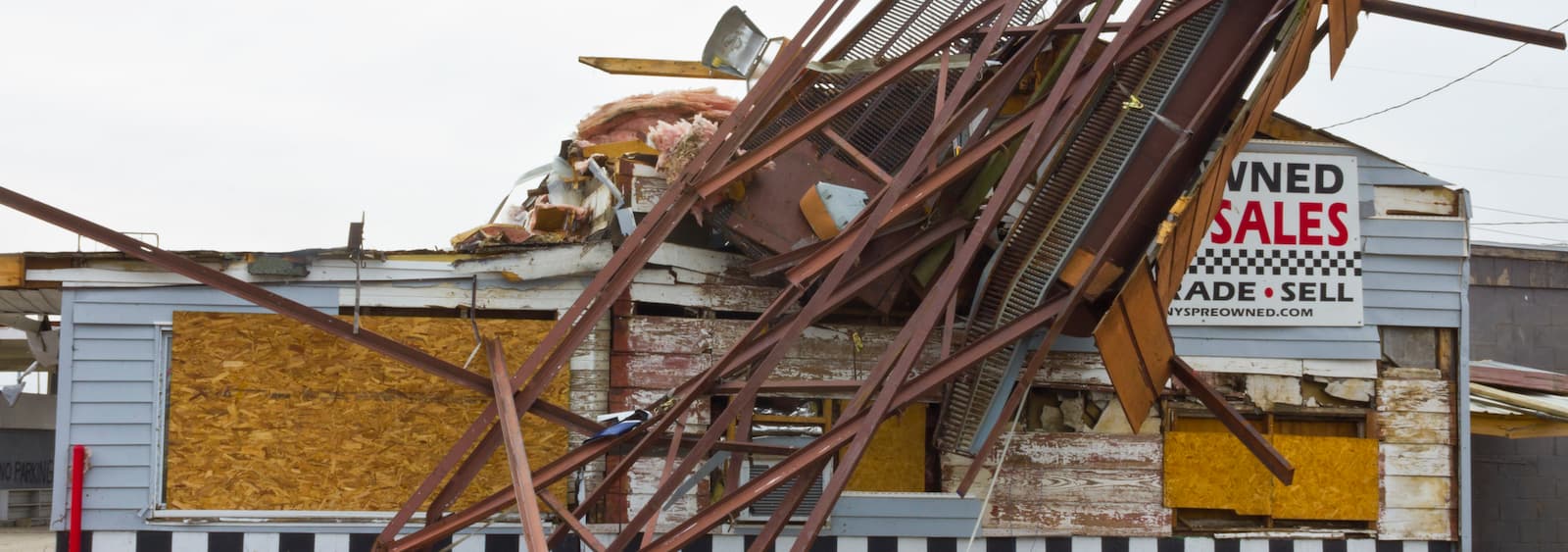
Best Option Restoration of Lakewood provides property damage cleanup services in Glendale, CO, offering rapid response for damage from weather, fire, vandalism, and structural failures. The company handles everything from emergency stabilization to final restoration while working with insurance companies on documentation.
- Glendale faces specific damage risks including severe hail from April through August, flash flooding near Cherry Creek, and wildfire smoke infiltration during fire season. Many older buildings from the 1950s through 1980s contain asbestos and lead paint requiring special handling.
- The cleanup process includes emergency response within hours, property stabilization, hazard containment, debris removal, deep cleaning, and dehumidification. Technicians use industrial air scrubbers, thermal imaging, and HEPA filtration systems.
- The company provides detailed documentation with timestamped photos, moisture readings, and itemized inventories to support insurance claims. IICRC-certified technicians work directly with adjusters and offer around-the-clock emergency response.
Property damage cleanup is a professional restoration service that addresses destruction caused by severe weather, fire, vandalism, or structural failures. The process involves rapid response teams assessing the damage, removing debris, cleaning affected areas, and restoring the property to its original condition. Professional cleanup services help homeowners and businesses return to normalcy quickly after unexpected property damage occurs.
Overview
When property damage strikes your Glendale home or business, the aftermath can feel overwhelming. Whether you're facing destruction from severe weather, fire, vandalism, or structural failures, Best Option Restoration of Lakewood delivers rapid response and thorough cleanup services designed to restore normalcy as quickly as possible.
Property damage cleanup encompasses far more than simple debris removal. It involves comprehensive assessment, safe handling of hazardous materials, structural stabilization, and meticulous restoration work that addresses both visible damage and hidden concerns. Glendale's unique position as a small but densely developed urban enclave within the Denver metropolitan area creates distinct challenges – from aging commercial infrastructure to high-traffic properties that require specialized attention.
- Rapid assessment and stabilization to prevent secondary damage
- Safe removal of debris, contaminated materials, and hazardous substances
- Thorough documentation for insurance claims and legal requirements
- Complete restoration coordination from cleanup through final repairs
Common Issues in Glendale, CO
When Property Damage Peaks in Glendale
Colorado's Front Range experiences intense hail storms, flash flooding, and wind damage during summer months.
Heavy snow, ice dams, and frozen pipe bursts cause significant property damage throughout winter.
Rapid snowmelt combined with spring rains leads to basement flooding and water damage cleanup needs.
Best Option Restoration of Lakewood provides Property Damage Cleanup services in all neighborhoods of Glendale including Bristol Square, Chaparral, College Park, Greenbriar, Montara, Roles Inn of America, Saddlehorn Ranch, San Miguel, Santa Maria, Sunset Vista, The Citadel, Village Park, Wellington Court, WillowBrook II, Windsor Square, and Woodridge VI.
Glendale's compact urban footprint and diverse property mix create specific property damage patterns that differ from surrounding suburban communities. The city's concentration of commercial entertainment venues, retail spaces, and mixed-use developments means property damage often affects businesses with complex layouts and specialized equipment.
Colorado's Front Range climate delivers dramatic temperature swings and intense weather events that contribute significantly to property damage throughout Glendale. Sudden hailstorms during spring and summer months can devastate roofing systems and exterior surfaces within minutes, while winter freeze-thaw cycles stress building materials and plumbing systems.
- Severe hail damage to roofing, siding, and windows – particularly common from April through August
- Wind damage from microbursts and thunderstorm downdrafts that can exceed 70 mph
- Water intrusion from flash flooding in low-lying areas near Cherry Creek
- Fire damage from both structural fires and wildfire smoke infiltration during peak fire season
- Vandalism and break-in damage affecting commercial properties in high-traffic areas
- Vehicle impact damage to storefronts and parking structures along major corridors
Warning signs that indicate professional cleanup is needed include persistent musty odors after water events, visible mold growth, structural cracks or shifts, smoke residue on surfaces, and any situation where debris contains potentially hazardous materials like asbestos or lead paint common in older Glendale structures.
How Best Option Restoration of Lakewood Can Help
Our property damage cleanup process begins the moment you contact us, with trained technicians ready to respond to Glendale locations within hours – not days.
Our Step-by-Step Cleanup Process
- Emergency response and initial site assessment to evaluate damage scope and safety concerns
- Property stabilization including boarding up, tarping, and securing the structure
- Comprehensive damage documentation with photographs, measurements, and detailed reports
- Hazard identification and containment of dangerous materials or conditions
- Systematic debris removal using appropriate safety protocols and disposal methods
- Deep cleaning of salvageable surfaces, contents, and structural elements
- Dehumidification and drying when water damage is present
- Sanitization and odor elimination treatments
- Final walkthrough and quality verification before restoration begins
Specialized Techniques We Employ
- Industrial-grade air scrubbers and negative air machines for contaminated environments
- Thermal imaging to detect hidden moisture and damage behind walls
- Hydroxyl generators for safe odor neutralization without harsh chemicals
- HEPA-filtered vacuum systems for fine particulate removal
- Antimicrobial treatments to prevent mold and bacterial growth
Throughout the cleanup process, we maintain open communication with property owners. You'll receive regular progress updates, and our project managers remain accessible to answer questions and address concerns as they arise.
Insurance & Documentation
Proper documentation can make the difference between a smooth insurance claim and months of frustrating delays. Our team understands what insurance adjusters need to see and how to present damage information clearly.
From the moment we arrive on site, we begin creating a comprehensive record of all damage conditions. This documentation serves multiple purposes – supporting your insurance claim, meeting legal requirements, and providing a clear baseline for restoration work.
- Timestamped photographs and video documentation of all affected areas
- Detailed written descriptions of damage type, extent, and location
- Moisture readings and environmental measurements where applicable
- Itemized inventory of damaged contents with condition assessments
- Chain of custody records for removed materials
- Disposal manifests for hazardous materials when required
Our technicians hold IICRC certifications and follow industry-standard protocols that insurance companies recognize and accept. We work directly with adjusters when needed, providing additional documentation or clarification to support your claim throughout the process.
Why Choose Best Option Restoration of Lakewood
Serving Glendale and the greater Lakewood area, our team combines local knowledge with professional expertise that sets us apart from generic cleanup services. We understand Glendale's unique property landscape – from the entertainment district to residential pockets – and adapt our approach accordingly.
Our technicians maintain current certifications through the Institute of Inspection, Cleaning and Restoration Certification, ensuring we employ proven methods backed by industry research. We invest in professional-grade equipment that delivers results residential-grade tools simply cannot match.
- Available around the clock for emergency response
- Direct insurance billing to simplify your claims process
- Licensed, bonded, and fully insured for your protection
- Ongoing training in the latest restoration techniques
- Detailed project management from first call through final inspection
Housing Characteristics & Property Damage Cleanup Considerations
Glendale's housing stock reflects its history as one of Colorado's smallest cities and its evolution into a commercial hub surrounded by Denver. Most residential structures in Glendale date from the 1950s through 1980s, with a significant concentration of multi-family apartment buildings and condominiums rather than single-family homes.
The predominance of mid-century construction means many Glendale properties contain materials that require special handling during cleanup operations. Buildings from this era commonly feature:
- Asbestos-containing materials in flooring, insulation, and pipe wrapping
- Lead-based paint on interior and exterior surfaces
- Galvanized plumbing systems prone to corrosion and failure
- Flat or low-slope roofing systems vulnerable to pooling water
- Older electrical systems that may not meet current safety standards
Multi-family properties present unique cleanup challenges because damage in one unit often affects adjacent spaces. Water damage in particular can travel through shared walls, floors, and ceilings, requiring assessment of multiple units even when initial damage appears contained. Our team understands how to coordinate cleanup across multiple affected units while minimizing disruption to unaffected residents.
Commercial properties in Glendale range from older retail strip centers to modern mixed-use developments, each presenting distinct cleanup requirements based on construction type, building systems, and occupancy patterns.
Environmental Conditions & Property Damage Cleanup Implications
Glendale's Front Range location subjects properties to environmental conditions that directly influence both damage patterns and cleanup requirements. The semi-arid climate with low average humidity might seem beneficial, but it creates specific challenges that affect restoration work.
Air quality in the Denver metropolitan area – including Glendale – varies seasonally. Summer months bring elevated ozone levels, while winter inversions can trap particulates near ground level. During wildfire season, smoke from distant fires infiltrates buildings and deposits residue on surfaces. Key environmental factors affecting property damage cleanup include:
- Low humidity accelerates drying but can cause secondary damage to wood and finishes if not controlled
- High altitude UV exposure degrades exterior materials faster than at lower elevations
- Clay-heavy soils in parts of Glendale expand and contract with moisture changes, stressing foundations
- Cherry Creek drainage patterns create localized flood risks during heavy precipitation
- Temperature extremes – from below zero winters to 100-degree summers – stress building systems
These environmental factors influence our cleanup approach. We adjust drying protocols for altitude and humidity conditions, implement appropriate containment when dealing with smoke-affected properties, and consider soil conditions when assessing structural damage. Understanding Glendale's environmental context allows us to anticipate potential complications and address them proactively.
Population Characteristics & Property Damage Cleanup Considerations
Glendale stands out as Colorado's second-smallest city by area yet maintains a remarkably diverse population concentrated in just over one square mile. With approximately 5,000 residents, the city functions as a dense urban pocket within the larger Denver metropolitan fabric.
The population skews younger than surrounding communities, with a significant percentage of residents in the 25-44 age range. Many residents are renters rather than homeowners, which affects how property damage situations unfold:
- Renters may need guidance on tenant versus landlord responsibilities during cleanup
- Property management companies often serve as primary contacts rather than individual owners
- Coordination between multiple parties requires clear communication protocols
- Temporary relocation needs differ for renters who may have more housing flexibility
Glendale's economic profile includes a mix of service industry workers, professionals employed in the Denver metro area, and employees of local entertainment and retail establishments. Household incomes vary considerably, and we work with property owners and renters across all economic situations to develop cleanup plans that address damage effectively while respecting budget constraints.
The city's cultural diversity means our team encounters properties with varied contents, materials, and owner preferences. We approach each cleanup with respect for personal property and cultural considerations, communicating clearly about processes and involving property owners in decisions about salvage priorities.
Weather Event Patterns in Glendale
Property damage in Glendale correlates strongly with regional weather patterns that deliver predictable – yet often severe – events throughout the year. Understanding these patterns helps property owners prepare and recognize when professional cleanup becomes necessary.
Seasonal Damage Patterns
Spring and summer bring the highest concentration of damaging weather events to Glendale and the Front Range. Data from the National Weather Service indicates that the Denver metropolitan area experiences an average of 7-10 significant hail events annually, with the most destructive storms typically occurring between May and July.
- Hail events cause an estimated $1-2 billion in property damage across Colorado annually
- Straight-line winds from thunderstorm downdrafts frequently exceed 60 mph in the region
- Flash flooding affects low-lying areas near Cherry Creek during intense precipitation events
- Lightning strikes damage electrical systems and occasionally ignite structure fires
Winter Weather Impacts
While less dramatic than summer storms, winter weather creates persistent property damage concerns. Heavy snow loads stress roofing systems, and ice dams form along roof edges when daytime melting refreezes overnight. Freeze-thaw cycles cause:
- Pipe bursts when water freezes in plumbing lines
- Foundation stress from expanding frozen soil
- Ice dam formation leading to interior water intrusion
- Roof damage from accumulated snow weight
Best Option Restoration of Lakewood tracks local weather events and prepares additional response capacity during high-risk periods. When severe weather strikes Glendale, we're ready to respond quickly because we understand the urgency of preventing secondary damage after the initial event.
Weather & Alerts in Glendale, CO
Current Conditions
Temp: 86°F · Feels like: 89°F
Humidity: 53% · Wind: 9 mph
Emergency Alerts
No active alerts.
Property Damage Cleanup in Other Service Areas
Useful Numbers
- Life-threatening emergencies
- 911
- Poison Control
- 1-800-222-1222
- Suicide Prevention Lifeline
- 988
- Police (non-emergency)
- Visit your local police department website
- Fire Department (non-emergency)
- Check the Glendale city website
- City Hall
- Available on the official Glendale government website
- Non-Emergency Services
- Call 311 if available in your area
Always verify numbers from official city/county websites.