
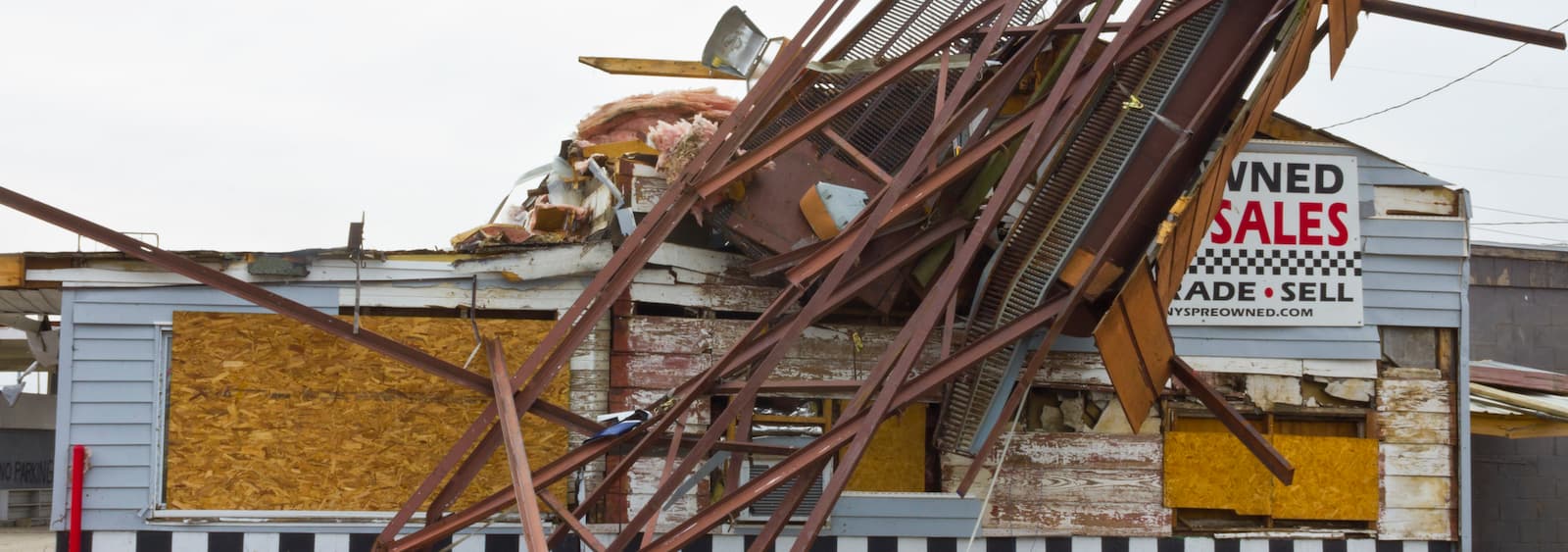
Best Option Restoration of Lakewood provides professional property damage cleanup services for Denver homes and businesses, addressing challenges created by the area's unique climate, altitude, and weather patterns.
- The company offers 24/7 emergency response with IICRC-certified technicians who use specialized equipment like thermal imaging, industrial dehumidifiers, and hydroxyl generators calibrated for Denver's high altitude conditions.
- Denver faces specific property damage risks including hailstorms, flash flooding, wildfire smoke infiltration, frozen pipe bursts from rapid temperature swings, and wind damage from Chinook winds exceeding 100 mph.
- The team creates detailed documentation with timestamped photos, moisture readings, and itemized damage inventories to support insurance claims, and works directly with adjusters throughout the process.
Property damage cleanup is a professional restoration service that addresses the aftermath of events like burst pipes, fires, and severe storms. It involves removing debris, drying affected areas, sanitizing surfaces, and restoring damaged structures. These services help homeowners and businesses recover quickly by returning their property to a safe and functional condition.
Overview
When property damage strikes your Denver home or business, the aftermath can feel overwhelming. Whether you're facing the destruction left by a burst pipe, fire, severe storm, or another unexpected event, the path forward may seem unclear. Best Option Restoration of Lakewood provides professional property damage cleanup services designed to restore your space and your peace of mind.
Property damage cleanup encompasses far more than simple tidying. It involves systematic assessment, debris removal, structural evaluation, sanitization, and preparation for reconstruction. Denver's unique combination of altitude, dry climate, and dramatic weather shifts creates specific challenges that require local expertise and specialized approaches.
- Rapid response to minimize secondary damage from moisture, mold, or structural compromise
- Thorough documentation to support insurance claims and restoration planning
- Professional-grade equipment and techniques tailored to Denver's environmental conditions
- Clear communication throughout every phase of the cleanup process
Common Issues in Denver, CO
When Property Damage Peaks in Denver
Denver's severe hail season causes widespread roof, siding, and vehicle damage requiring immediate cleanup.
Frozen pipes, ice dams, and heavy snow loads lead to water damage and structural issues in homes.
Intense summer monsoon storms cause flash flooding and water intrusion damage throughout the metro area.
Denver's semi-arid climate and dramatic elevation create a distinctive set of property damage risks. The city experiences over 300 days of sunshine annually, but those clear skies can shift rapidly to severe thunderstorms, hail events, and winter blizzards. This weather volatility catches many property owners off guard.
The Mile High City's low humidity typically ranges between 30-50%, which affects how materials respond to water damage. Wood dries unevenly, drywall can crack, and hidden moisture pockets develop in unexpected locations. Meanwhile, rapid freeze-thaw cycles during Colorado winters cause pipes to burst and foundations to shift.
- Hailstorms – Denver ranks among the top U.S. cities for hail damage, with golf ball-sized hail common during spring and summer months
- Flash flooding – Despite the dry climate, sudden mountain runoff and inadequate drainage create basement flooding risks
- Wildfire smoke infiltration – Regional fires deposit particulate matter that penetrates HVAC systems and settles into building materials
- Wind damage – Chinook winds exceeding 100 mph can tear off roofing, break windows, and topple trees onto structures
- Frozen pipe bursts – Temperature swings from 60°F to below zero within 24 hours stress plumbing systems
- Snow load collapse – Heavy, wet spring snowstorms place extreme weight on roofs and covered structures
Warning signs that indicate professional cleanup is needed include visible water staining, musty odors, warped flooring, discolored walls, and any structural sagging or cracking. Acting quickly prevents minor damage from escalating into major restoration projects.
How Best Option Restoration of Lakewood Can Help
Our property damage cleanup process prioritizes transparency at every step. You'll never wonder what's happening with your property or what comes next.
Our Systematic Cleanup Process
- Emergency response and safety assessment – We secure the property, identify hazards, and ensure safe access for cleanup crews
- Comprehensive damage evaluation – Our technicians document all affected areas using moisture meters, thermal imaging, and visual inspection
- Water extraction and debris removal – Industrial pumps, vacuums, and careful manual removal eliminate standing water and damaged materials
- Structural drying and dehumidification – Commercial air movers and dehumidifiers calibrated for Denver's altitude accelerate safe drying
- Cleaning and sanitization – Antimicrobial treatments, HEPA filtration, and surface cleaning restore healthy indoor air quality
- Final inspection and restoration preparation – We verify moisture levels, document completed work, and coordinate with reconstruction teams
Specialized Techniques We Employ
- Thermal imaging to detect hidden moisture behind walls and under flooring
- Injectidry systems for drying wall cavities without demolition
- Hydroxyl generators for odor elimination without harsh chemicals
- Content pack-out services to protect and restore salvageable belongings
Throughout the process, you'll receive regular updates via your preferred communication method. We explain what we're doing, why it matters, and what to expect next. Questions are always welcome, and our project managers remain accessible from start to finish.
Insurance & Documentation
Proper documentation transforms a stressful insurance claim into a manageable process. We create detailed records that meet adjuster requirements and support your claim from initial filing through final settlement.
Our documentation practices include timestamped photographs, moisture readings, itemized damage inventories, and detailed work logs. This comprehensive approach protects your interests and provides clear evidence of damage scope and restoration progress.
- Pre-cleanup photo and video documentation of all affected areas
- Moisture mapping with dated readings showing drying progress
- Itemized lists of damaged contents with descriptions and conditions
- Daily work logs detailing activities, equipment used, and personnel
- Final completion reports with before-and-after comparisons
Our team works directly with insurance adjusters and understands the documentation standards major carriers require. We hold IICRC certifications – the industry standard recognized by insurance companies nationwide. This certification ensures our methods meet the technical specifications adjusters look for when evaluating claims.
Why Choose Best Option Restoration of Lakewood
Local expertise matters when dealing with property damage. Our team understands Denver's specific challenges – from altitude effects on drying times to the unique construction methods used throughout the metro area. We're not a national franchise following generic protocols; we're your neighbors applying proven techniques adapted for Colorado conditions.
Our qualifications demonstrate commitment to professional standards:
- IICRC-certified technicians in water damage restoration, fire and smoke restoration, and applied structural drying
- 24/7 emergency response with rapid deployment throughout the Denver metro area
- Direct insurance billing relationships with major carriers
- Ongoing communication through your preferred channel – phone, text, email, or in-person meetings
We measure success by your satisfaction, not just project completion. Follow-up inspections verify that our work holds up over time, and we remain available to address any concerns that arise after the cleanup concludes.
Housing Characteristics & Property Damage Cleanup Considerations
Denver's housing stock reflects over a century of growth patterns, creating diverse cleanup challenges across different neighborhoods. The city contains approximately 300,000 housing units, with construction dates spanning from Victorian-era homes in Capitol Hill to brand-new developments in Green Valley Ranch.
Age and Construction Patterns
A significant portion of Denver homes were built between 1950 and 1980, particularly in neighborhoods like Lakewood, Wheat Ridge, and Aurora. These mid-century properties commonly feature:
- Concrete slab foundations susceptible to shifting in Denver's expansive clay soils
- Original cast iron or galvanized steel plumbing prone to corrosion and failure
- Single-pane windows and minimal insulation that allow moisture infiltration
- Asbestos-containing materials in flooring, insulation, and ceiling textures
Older homes in historic districts like Baker, Highlands, and Curtis Park present additional considerations. Brick and stone construction, balloon-frame walls, and original hardwood floors require specialized drying techniques to prevent irreversible damage. These materials respond differently to moisture than modern building products.
Modern Construction Concerns
Newer Denver homes – particularly those built after 2000 – use engineered materials like OSB sheathing and laminate flooring that can swell and delaminate when exposed to water. The average Denver home size has grown to approximately 1,800 square feet, with open floor plans that allow water damage to spread quickly across large areas. Multi-story construction in newer subdivisions means water from upper-floor incidents can cascade through multiple levels before detection.
Environmental Conditions & Property Damage Cleanup Implications
Denver's environmental profile directly influences how property damage develops and how cleanup must proceed. Understanding these conditions helps explain why local expertise produces better outcomes than generic restoration approaches.
Air Quality Factors
The Denver metro area experiences periodic air quality challenges that affect property damage cleanup. Ground-level ozone exceeds EPA standards during summer months, while winter inversions trap particulate matter in the urban bowl. Wildfire seasons – increasingly extending from April through November – deposit smoke residue that infiltrates buildings through HVAC systems and gaps in building envelopes.
- PM2.5 levels spike during fire season, requiring HEPA filtration during cleanup operations
- Low humidity accelerates off-gassing from fire-damaged materials
- Brown cloud inversions concentrate indoor pollutants when ventilation is limited
Water and Soil Characteristics
Denver Water supplies treated municipal water with moderate mineral content, but older properties may have lead service lines requiring careful consideration during plumbing-related damage. The region's bentonite clay soil expands dramatically when wet and contracts when dry, creating foundation movement that stresses plumbing connections and allows water intrusion through cracks.
Drainage patterns vary significantly across the metro area. Properties near Cherry Creek, the South Platte River, or historic irrigation ditches face elevated flood risks. The city's stormwater infrastructure, while improving, can be overwhelmed during intense summer thunderstorms, leading to basement flooding even in areas not designated as flood zones.
Population Characteristics & Property Damage Cleanup Considerations
Denver's population of approximately 715,000 residents – with over 2.9 million in the metro area – creates distinct patterns in property damage cleanup needs. Understanding who lives here helps us serve the community more effectively.
Economic and Employment Factors
Denver's median household income of roughly $78,000 exceeds national averages, reflecting the region's strong economy anchored by technology, healthcare, aerospace, and energy sectors. Many residents work in professional roles with demanding schedules, making responsive communication and flexible scheduling priorities for cleanup services.
- Dual-income households often require evening or weekend coordination meetings
- Remote workers may need expedited cleanup to restore home office spaces
- Higher property values increase the stakes for thorough, professional restoration
Demographic Diversity
Denver's population skews younger than many major cities, with a median age of approximately 34 years. This demographic includes many first-time homeowners unfamiliar with property damage response. We provide clear guidance through unfamiliar processes, explaining what's normal and what requires concern.
The metro area's cultural diversity means serving households where English may not be the primary language. Our team includes Spanish-speaking staff, and we provide written materials in multiple languages when needed. Neighborhoods like Globeville, Elyria-Swansea, and Westwood have distinct community characteristics that inform how we approach service delivery and communication.
Population density varies dramatically – from urban high-rises downtown to suburban single-family neighborhoods in Lakewood and beyond. Multi-unit buildings require coordination with property managers and consideration for neighboring units, while rural-adjacent properties in the foothills present access and logistics challenges during emergency response.
Weather Event Frequency and Property Damage in Denver
Denver's position at the confluence of the Great Plains and Rocky Mountains creates weather patterns that generate significant property damage annually. Understanding these statistics helps property owners recognize risks and respond appropriately when damage occurs.
Severe Weather Statistics
The Denver metro area experiences an average of 50-60 days with thunderstorms annually, concentrated between April and September. These storms frequently produce damaging hail – the Insurance Information Institute consistently ranks Colorado among the top three states for hail damage claims.
- Average annual hail damage in Colorado exceeds $2.3 billion in insured losses
- Denver International Airport recorded 14 separate hail events in a recent year
- The 2017 hailstorm caused over $2.3 billion in damage across the metro area alone
- Wind damage claims spike during spring and fall Chinook wind events
Water Damage Trends
Despite semi-arid conditions, water damage remains the most common property damage type in Denver. Flash flooding affects areas throughout the metro, particularly near historic drainage channels and in neighborhoods with aging stormwater infrastructure. The Cherry Creek and South Platte River corridors experience periodic flooding that impacts surrounding properties.
- Frozen pipe bursts peak in January and February, with claims increasing 400% during cold snaps
- Basement flooding reports surge during May and June monsoon season
- Appliance failures – water heaters, washing machines, refrigerators – cause year-round water damage
Fire damage in the Denver area includes both structure fires and wildfire-related impacts. The urban-wildland interface in foothill communities creates elevated risk, while older urban properties face increased fire risk from aging electrical systems. Smoke damage from regional wildfires affects properties throughout the metro area, even when flames remain distant.
These statistics underscore why professional property damage cleanup services remain in consistent demand throughout the Denver metro area. Best Option Restoration of Lakewood maintains the capacity and expertise to respond to both individual incidents and community-wide events, ensuring Denver residents have reliable support when property damage occurs.
Weather & Alerts in Denver, CO
Current Conditions
Temp: 76°F · Feels like: 76°F
Humidity: 49% · Wind: 7 mph
Emergency Alerts
No active alerts.
Property Damage Cleanup in Other Service Areas
Useful Numbers
- Life-threatening emergencies
- 911
- Poison Control
- 1-800-222-1222
- Suicide Prevention Lifeline
- 988
- Police (non-emergency)
- Visit your local police department website
- Fire Department (non-emergency)
- Check the Denver city website
- City Hall
- Available on the official Denver government website
- Non-Emergency Services
- Call 311 if available in your area
Always verify numbers from official city/county websites.