
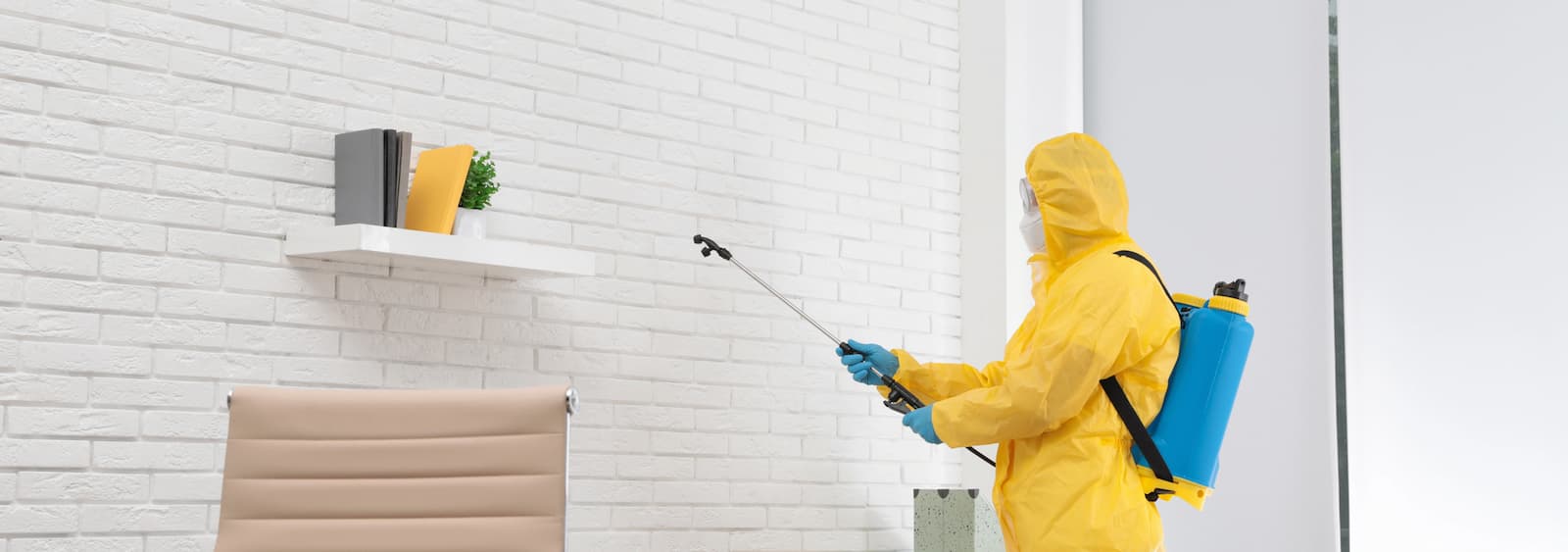
Best Option Restoration of Lakewood provides professional cleaning and decontamination services in Federal Heights, CO, addressing biohazards, smoke damage, mold, and chemical contamination in an area with poor indoor air quality and aging housing stock.
- Federal Heights faces unique contamination challenges from winter inversions that exceed EPA particulate standards by 15-20%, aging 1960s-1980s housing with particle board subflooring, and proximity to industrial corridors along I-76.
- The company follows a systematic process including containment setup, active decontamination with hospital-grade treatments, and post-remediation testing to verify successful cleanup. They maintain 24/7 availability and IICRC certification for biohazard remediation.
- Services cover biohazard cleanup, smoke and soot removal, sewage backups, meth lab residue, and pet urine saturation. They provide detailed documentation for insurance claims and work directly with adjusters to streamline approvals.
Professional cleaning and decontamination in Federal Heights involves specialized services that address biohazards, smoke residue, and microbial growth in homes and businesses. These services protect against long-term property damage and health risks, which is especially relevant given the area's poor indoor air quality and particulate matter levels that often exceed EPA standards by 15-20% during winter inversions.
Overview
Indoor air quality in Federal Heights ranks among the poorest in the Denver metro area, with particulate matter levels frequently exceeding EPA standards by 15-20% during winter inversions. When contamination strikes your home or business – whether from biohazards, smoke residue, or microbial growth – professional cleaning and decontamination services become your first line of defense against long-term property damage and health risks.
Cleaning and decontamination encompasses far more than surface-level sanitation. This specialized service involves identifying contamination sources, eliminating harmful pathogens and residues, and restoring indoor environments to safe, habitable conditions. Federal Heights properties face unique challenges from the semi-arid climate, aging housing stock, and proximity to industrial corridors along I-76.
- Comprehensive pathogen elimination using hospital-grade antimicrobial treatments
- Odor neutralization at the molecular level – not just masking symptoms
- Surface and structural decontamination that addresses both visible and hidden contamination
- Air quality restoration through HEPA filtration and negative air pressure containment
Common Issues in Federal Heights, CO
When Cleaning & Decontamination Demand Peaks in Federal Heights
Post-winter cleanup surge as residents address accumulated dust, mold, and debris from harsh Colorado winters.
Colorado's summer monsoon rains increase moisture-related mold and mildew issues requiring professional decontamination.
Pre-holiday deep cleaning demand spikes as families prepare homes for gatherings and guests.
Best Option Restoration of Lakewood provides Cleaning & Decontamination services in all neighborhoods of Federal Heights including Countryside Village, Denver Cascade, Friendly Village, Holiday Hills Village, Kimberly Hills, Lamplighter Trailer Park, Redwood Estates, The Lodge, and Tuscan Heights.
Federal Heights sits in Adams County's urban corridor, where industrial activity, highway traffic, and residential density create a complex contamination landscape. The city's location between major transportation routes means properties regularly accumulate airborne pollutants that penetrate building envelopes and settle into HVAC systems, carpeting, and soft surfaces.
Seasonal temperature swings – from sub-zero winters to 95-degree summers – stress building materials and create conditions favorable for mold colonization. When warm, moist air contacts cooler surfaces in basements and crawlspaces, condensation forms and microbial growth follows within 24-48 hours.
- Biohazard situations from unattended deaths, hoarding conditions, or crime scenes requiring specialized protocols
- Smoke and soot infiltration from wildfires, structure fires, or cooking incidents that embed into porous materials
- Sewage backups and Category 3 water contamination from aging municipal infrastructure
- Meth lab residue in rental properties – Colorado's historical methamphetamine production leaves lasting contamination
- Pet urine saturation in rental turnovers requiring enzymatic treatment and subfloor remediation
- HVAC system contamination from dust, allergens, and microbial growth in ductwork
Warning signs that indicate professional decontamination is necessary include persistent musty odors despite cleaning attempts, visible discoloration on walls or ceilings, recurring respiratory symptoms among occupants, and any situation involving bodily fluids or hazardous materials.
How Best Option Restoration of Lakewood Can Help
Our decontamination process follows a systematic approach that addresses contamination at every level – from surface residues to deeply embedded pathogens within building materials.
Assessment and Containment Protocol
- Initial site evaluation with moisture meters, thermal imaging, and air quality testing to map contamination boundaries
- Establishment of containment zones using polyethylene sheeting and negative air machines to prevent cross-contamination
- Personal protective equipment deployment appropriate to contamination type and severity
- Documentation of existing conditions for insurance and compliance purposes
Active Decontamination Phase
Once containment is established, our technicians execute the appropriate cleaning protocol based on contamination type.
- Biohazard situations: ATP testing, enzymatic cleaners, hospital-grade disinfectants, and verification swabbing
- Smoke damage: Dry sponge cleaning, HEPA vacuuming, thermal fogging, and hydroxyl generation
- Microbial contamination: Antimicrobial application, material removal where necessary, and structural drying
- Chemical contamination: Specialized extraction methods, neutralizing agents, and air scrubbing
Verification and Clearance
We never consider a job complete until post-remediation testing confirms successful decontamination. Third-party verification is available when required by insurance carriers or regulatory agencies. Communication throughout the process includes daily progress updates and detailed completion reports.
Insurance & Documentation
Proper documentation transforms a stressful contamination event into a manageable claims process. Our team maintains detailed records from initial contact through project completion, creating the paper trail insurance adjusters require for claim approval.
- Photographic and video documentation of pre-existing conditions and contamination extent
- Itemized inventories of affected contents with condition assessments
- Daily work logs documenting procedures, materials used, and personnel on-site
- Laboratory test results for mold, bacteria, or chemical contamination when applicable
- Completion certificates and post-remediation clearance documentation
Best Option Restoration of Lakewood maintains IICRC certification for biohazard remediation and follows OSHA bloodborne pathogen standards. We work directly with insurance adjusters to streamline approvals and prevent claim delays. Our documentation meets requirements for health department clearance, property sales disclosures, and tenant habitability certifications.
Why Choose Best Option Restoration of Lakewood
Contamination situations demand immediate response – our team deploys within hours, not days. We maintain 24/7 availability because biohazards, sewage backups, and fire damage don't wait for business hours. Our Lakewood-based operation means faster arrival times to Federal Heights than competitors based in Denver or Boulder.
Our technicians hold current certifications in:
- IICRC Applied Structural Drying and Water Damage Restoration
- OSHA Bloodborne Pathogens and Hazardous Materials Handling
- EPA Lead-Safe and Asbestos Awareness protocols
- Colorado meth lab decontamination standards
We own our equipment rather than renting – air scrubbers, hydroxyl generators, thermal foggers, and containment materials are always ready for immediate deployment. Post-project follow-up includes air quality verification and a satisfaction guarantee that ensures complete resolution.
Housing Characteristics & Cleaning & Decontamination Considerations
Federal Heights developed primarily during the 1960s through 1980s, with approximately 70% of residential structures built during this period. These mid-century homes reflect construction practices that create specific decontamination challenges – including extensive use of particle board subflooring, popcorn ceiling textures, and limited vapor barriers in foundation construction.
The housing stock consists predominantly of single-family ranch-style homes averaging 1,100-1,400 square feet, with a significant percentage of duplex and triplex multi-family units. Mobile home communities also represent a notable portion of Federal Heights housing, presenting unique decontamination requirements due to manufactured housing materials and ventilation systems.
- Particle board and OSB subflooring absorbs contamination deeply, often requiring removal rather than surface treatment
- Original HVAC ductwork in 50-60 year old homes accumulates decades of dust, allergens, and potential microbial growth
- Asbestos-containing materials in popcorn ceilings and floor tiles require testing before disturbance during remediation
- Concrete slab foundations common in the area trap moisture and contamination beneath flooring materials
- Limited attic ventilation in ranch-style homes creates condensation problems that promote mold colonization
Multi-family properties and rental units in Federal Heights experience higher turnover rates, increasing the frequency of tenant-related contamination situations including hoarding cleanouts, pet damage remediation, and post-eviction restoration.
Environmental Conditions & Cleaning & Decontamination Implications
Federal Heights experiences Colorado's characteristic semi-arid climate with annual precipitation averaging just 15-17 inches. While low humidity generally inhibits mold growth, the dramatic temperature fluctuations – often 40-50 degrees within a single day – create condensation cycles that concentrate moisture in specific building areas. Winter months bring temperature inversions that trap pollutants in the Denver basin, elevating indoor air quality concerns.
The South Platte River corridor and Clear Creek drainage influence local groundwater patterns, with seasonal water table fluctuations affecting basement and crawlspace moisture levels. Municipal water in Federal Heights comes from the North Table Mountain Water and Sanitation District, with hardness levels that can leave mineral deposits in plumbing systems and water-damaged materials.
- Winter inversions concentrate particulate matter, increasing HVAC contamination and indoor air quality degradation
- Clay-heavy soils common in Adams County expand and contract seasonally, stressing foundations and creating moisture intrusion pathways
- Wildfire smoke from mountain fires regularly impacts air quality, requiring post-event HVAC cleaning and air scrubbing
- Low relative humidity (often below 30%) causes materials to dry quickly but can drive contamination deeper into porous surfaces before treatment
Colorado's state regulations for meth lab decontamination establish specific clearance thresholds – 0.1 micrograms per 100 square centimeters – that require professional testing and remediation protocols. Environmental compliance documentation is mandatory for property transfers involving known contamination.
Population Characteristics & Cleaning & Decontamination Considerations
Federal Heights maintains a population density of approximately 6,500 residents per square mile – significantly higher than surrounding communities. This urban density, combined with a median household income of roughly $45,000-50,000, creates specific service patterns. Many residents are cost-conscious but recognize when professional intervention becomes necessary, particularly for health-related contamination concerns.
The community reflects significant demographic diversity, with a Hispanic/Latino population exceeding 50% and substantial representation from multiple ethnic backgrounds. Multi-generational households are common, meaning contamination events often affect vulnerable populations including elderly residents and young children who are more susceptible to indoor air quality issues.
- Rental properties comprise a larger percentage of housing than owner-occupied homes, increasing turnover-related cleaning needs
- Service industry and warehouse employment dominates the local economy, with many residents working variable schedules that require flexible appointment availability
- Multi-generational living arrangements mean contamination affects more occupants per household, elevating urgency
- Budget-conscious population benefits from insurance claim assistance and financing options for major remediation projects
The community's working-class character means many residents cannot afford extended displacement during remediation. Our expedited protocols minimize disruption while maintaining thoroughness – a balance that matters when families depend on returning home quickly.
Air Quality Conditions in Federal Heights
Federal Heights consistently ranks among Colorado communities with elevated air quality concerns, according to data from the Colorado Department of Public Health and Environment. The city's position within the Denver metropolitan area's ozone non-attainment zone means ground-level ozone frequently exceeds federal standards during summer months, while winter inversions trap fine particulate matter (PM2.5) at levels that trigger health advisories.
Key Air Quality Statistics
- Adams County experiences 15-25 days annually with ozone levels exceeding EPA standards
- Winter PM2.5 concentrations regularly reach 35-50 micrograms per cubic meter during inversion events – above the 35 μg/m³ 24-hour standard
- Proximity to I-25 and I-76 corridors contributes diesel particulate matter and nitrogen dioxide to local air quality
- Industrial facilities in Commerce City and the Suncor refinery influence regional air quality patterns
- Wildfire smoke events have increased in frequency, with 2020-2023 seeing multiple "unhealthy" air quality days each summer
These outdoor air quality conditions directly impact indoor environments. HVAC systems continuously filter outdoor air, accumulating contaminants that require periodic professional cleaning. Homes with older filtration systems or deferred maintenance experience accelerated indoor air quality degradation.
For Federal Heights residents, professional decontamination services address both acute contamination events and the chronic accumulation of airborne pollutants. HEPA filtration, air scrubbing, and HVAC cleaning become particularly valuable in a community where outdoor air quality regularly compromises indoor environments. Our protocols account for these baseline conditions, ensuring post-remediation air quality exceeds pre-event levels rather than simply returning to a compromised baseline.
Weather & Alerts in Federal Heights, CO
Current Conditions
Temp: 63°F · Feels like: 61°F
Humidity: 58% · Wind: 3 mph
Emergency Alerts
No active alerts.
Cleaning & Decontamination in Other Service Areas
Useful Numbers
- Life-threatening emergencies
- 911
- Poison Control
- 1-800-222-1222
- Suicide Prevention Lifeline
- 988
- Police (non-emergency)
- Visit your local police department website
- Fire Department (non-emergency)
- Check the Federal Heights city website
- City Hall
- Available on the official Federal Heights government website
- Non-Emergency Services
- Call 311 if available in your area
Always verify numbers from official city/county websites.