
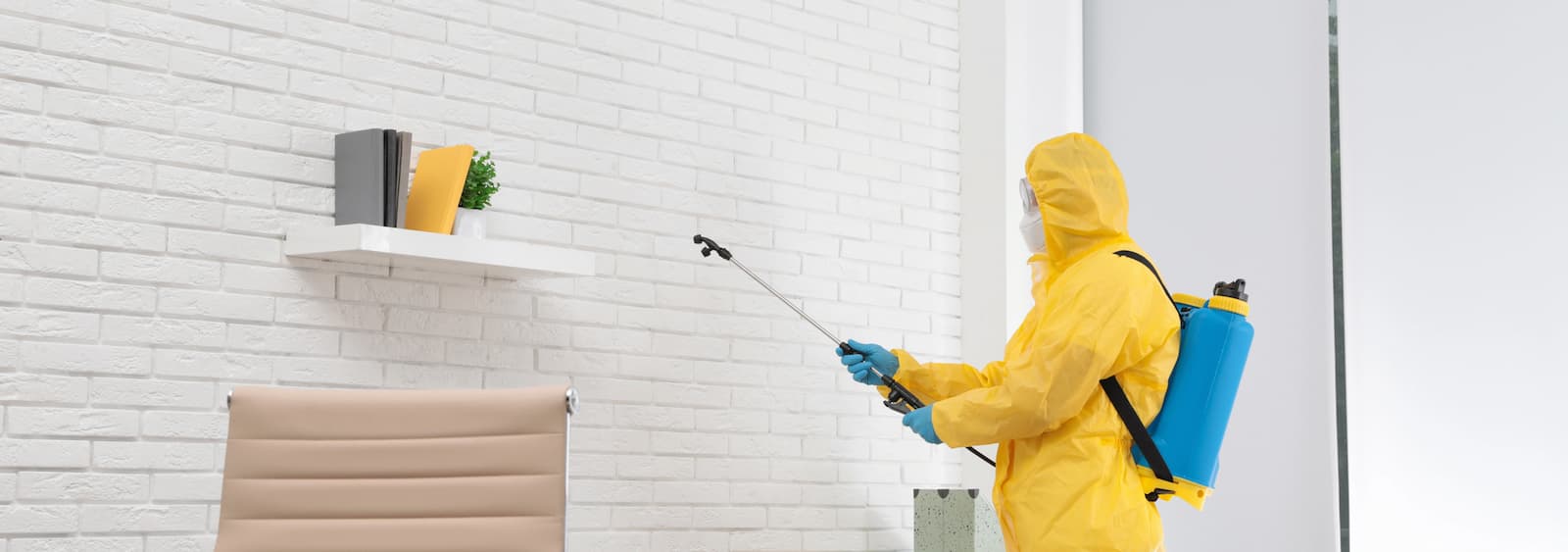
Denver property owners face indoor air that can contain two to five times more pollutants than outdoor air. Professional cleaning and decontamination services address biohazard incidents, sewage backups, and chemical exposure using hospital-grade disinfectants and advanced techniques.
- Denver's high altitude and variable climate create distinct contamination challenges - spring snowmelt causes sewage backups, summer monsoons bring sudden moisture, and winter temperature changes create condensation problems inside walls.
- Best Option Restoration of Lakewood provides certified technicians with industrial equipment who follow a systematic process including contamination mapping, containment setup, HEPA-filtered cleaning, and clearance testing.
- The company maintains detailed documentation for insurance claims, offers under two-hour emergency response times, and understands local building codes for older Denver homes that may contain lead paint or asbestos.
Professional cleaning and decontamination is a specialized service that restores safe living and working environments after contamination events. This process addresses biohazard incidents, sewage backups, and chemical exposure by removing harmful pollutants and pathogens. Since indoor air can contain two to five times more pollutants than outdoor air, expert remediation helps property owners eliminate health risks and return spaces to habitable conditions.
Overview
Denver property owners face a startling reality: indoor air can contain two to five times more pollutants than outdoor air, according to EPA studies. When contamination events strike – whether from biohazard incidents, sewage backups, or chemical exposure – professional cleaning and decontamination becomes essential for restoring safe living and working environments.
Cleaning and decontamination services encompass far more than standard janitorial work. This specialized discipline involves identifying contamination sources, containing affected areas, removing hazardous materials, and restoring spaces to pre-incident conditions using hospital-grade disinfectants and advanced remediation techniques. Denver's unique combination of high altitude, variable humidity, and diverse building stock creates distinct challenges that demand local expertise.
- Elimination of biological hazards including bacteria, viruses, and fungal spores
- Safe removal and disposal of contaminated materials following Colorado regulations
- Restoration of indoor air quality to healthy, breathable levels
- Prevention of secondary contamination and cross-contamination during cleanup
Professional intervention matters because improper cleaning can spread contaminants, create health risks for occupants, and lead to recurring problems. Best Option Restoration of Lakewood brings certified technicians equipped with industrial-grade equipment to handle contamination scenarios that standard cleaning simply cannot address.
Common Issues in Denver, CO
When cleaning & decontamination needs peak in Denver
Post-winter cleanup surge as Denver residents address salt damage, mud, and accumulated grime from harsh winter months.
Homeowners prepare for winter by deep cleaning before sealing up homes for the cold season.
Increased demand for decontamination services during holiday gatherings and peak flu season in Denver's dry winter climate.
Denver's semi-arid climate and dramatic temperature swings create conditions that contribute to various contamination scenarios throughout the year. The city experiences over 300 days of sunshine annually, yet rapid weather changes can trigger moisture intrusion events that lead to biological contamination. Properties in the Denver metro area face unique challenges that residents in more temperate climates rarely encounter.
The Front Range's elevation of 5,280 feet affects how contaminants behave indoors. Lower air pressure means faster evaporation of cleaning agents, while reduced oxygen levels can impact certain decontamination processes. Seasonal fluctuations bring distinct contamination risks – spring snowmelt causes basement flooding and sewage backups, summer monsoons introduce sudden moisture, and winter temperature differentials create condensation problems inside walls and attics.
- Sewage backups during spring runoff when municipal systems become overwhelmed
- Mold colonization following flash flooding from afternoon thunderstorms
- Biohazard situations in properties near homeless encampments along the South Platte corridor
- Chemical contamination from former industrial sites in neighborhoods like Globeville and Elyria-Swansea
- Hoarding situations requiring comprehensive decontamination before property sale or rental
- Crime scene and trauma cleanup in high-density urban neighborhoods
Warning signs that indicate professional decontamination needs include persistent musty odors despite cleaning, visible discoloration on surfaces, respiratory symptoms when entering certain rooms, and evidence of pest infestations. Denver residents should act quickly when noticing these indicators, as contamination spreads rapidly in enclosed spaces.
How Best Option Restoration of Lakewood Can Help
Our comprehensive cleaning and decontamination process addresses contamination from initial assessment through final clearance testing. We approach each situation systematically, recognizing that thorough decontamination requires methodical execution rather than rushed responses.
Our Step-by-Step Process
- Initial assessment and contamination mapping to identify all affected areas and materials
- Containment setup using negative air pressure and physical barriers to prevent spread
- Personal protective equipment deployment appropriate to contamination type
- Removal of porous materials that cannot be effectively decontaminated
- Application of appropriate cleaning agents and disinfectants in proper concentrations
- Mechanical cleaning using HEPA-filtered equipment and extraction systems
- Antimicrobial treatments and encapsulation where appropriate
- Air scrubbing and filtration to remove airborne contaminants
- Clearance testing and verification before project completion
Specialized Techniques We Employ
- ATP testing to verify surface cleanliness at the microbial level
- Hydroxyl generators for odor elimination without harmful ozone
- Thermal fogging for penetrating porous materials with disinfectants
- HEPA vacuuming with negative air machines rated at 99.97% particle capture
- Enzymatic cleaners for biological matter breakdown
Throughout each project, our team maintains constant communication with property owners. We provide daily progress updates, explain each phase before beginning, and document all work with photographs and written reports. This transparency helps clients understand what we're doing and why each step matters for their property's complete restoration.
Insurance & Documentation
Proper documentation transforms a stressful contamination event into a manageable insurance claim. Best Option Restoration of Lakewood creates comprehensive records that satisfy insurance adjusters while protecting property owners' interests throughout the claims process.
Our documentation protocols begin the moment we arrive on site. We photograph all affected areas before any work begins, creating baseline evidence of contamination extent. Throughout the project, we maintain detailed logs of materials removed, treatments applied, and labor hours expended.
- Timestamped photographs documenting contamination extent and remediation progress
- Itemized inventories of damaged or removed materials with replacement values
- Chain of custody documentation for hazardous waste disposal
- Moisture readings and air quality measurements before and after treatment
- Certificates of completion with technician credentials and methods used
- Third-party laboratory results when clearance testing is performed
We work directly with insurance adjusters, providing the specific documentation formats and detail levels they require. Our team holds IICRC certifications that insurance companies recognize as industry standards, lending credibility to our assessments and ensuring claims proceed smoothly. Colorado regulations regarding biohazard disposal and environmental remediation are strictly followed, with all required permits and manifests maintained for your records.
Why Choose Best Option Restoration of Lakewood
Our technicians hold certifications from the Institute of Inspection, Cleaning and Restoration Certification (IICRC) in multiple specialties including biohazard remediation, odor control, and water damage restoration. This cross-training means we identify related issues during decontamination projects – catching water damage that might cause future mold growth, for example.
Serving the Denver metro area means we understand local building codes, disposal regulations, and the specific challenges properties here face. Our response teams live in the communities we serve, allowing rapid deployment when contamination emergencies arise. We maintain 24/7 availability because contamination doesn't wait for business hours.
- Average response time under two hours for emergency situations
- Fully licensed, bonded, and insured for all Colorado requirements
- Direct billing relationships with major insurance carriers
- Post-project follow-up inspections at no additional charge
- Satisfaction guarantees backed by written warranties
We treat every property as if it were our own, combining technical expertise with genuine care for the people affected by contamination events.
Housing Characteristics & Cleaning & Decontamination Considerations
Denver's housing stock reflects the city's evolution from frontier town to modern metropolis. Approximately 40% of homes in the Denver metro area were constructed before 1970, with significant concentrations of Victorian-era properties in neighborhoods like Capitol Hill, Five Points, and Curtis Park. These older homes present distinct decontamination challenges that differ substantially from newer construction.
Properties built before 1978 may contain lead-based paint, requiring specialized containment and disposal procedures during any cleaning work that disturbs painted surfaces. Homes from the 1950s through 1970s often feature asbestos-containing materials in floor tiles, insulation, and textured ceilings – materials that demand careful handling during contamination remediation. The average Denver home measures approximately 1,800 square feet, though this varies dramatically from compact bungalows in older neighborhoods to sprawling homes in newer suburbs.
- Brick and masonry construction common in pre-1950 homes requires different cleaning approaches than wood-frame structures
- Finished basements – prevalent in Denver due to stable soil conditions – frequently experience contamination from water intrusion
- Historic homes with plaster walls absorb contaminants differently than modern drywall
- Multi-family properties in Capitol Hill and Uptown present cross-contamination risks between units
Newer developments in areas like Green Valley Ranch and Stapleton feature modern HVAC systems that can spread airborne contaminants throughout entire structures if not properly isolated during decontamination. Understanding these construction variations allows our team to select appropriate methods for each property type.
Environmental Conditions & Cleaning & Decontamination Implications
Denver's environmental profile creates specific challenges for cleaning and decontamination work. The city's air quality fluctuates seasonally, with winter temperature inversions trapping pollutants in the metro area and summer ozone levels occasionally exceeding federal standards. These conditions mean indoor air quality matters even more – contaminated interiors compound already-stressed respiratory systems.
The region receives approximately 15 inches of precipitation annually, classifying it as semi-arid. However, this moisture arrives unpredictably – intense summer thunderstorms can dump several inches within hours, overwhelming drainage systems and causing flash flooding. Denver Water provides high-quality municipal water, though the mineral content (relatively hard water) affects cleaning agent effectiveness and requires adjusted chemical concentrations for optimal results.
- Low ambient humidity (averaging 40-50%) accelerates drying but can cause static electricity issues with certain equipment
- Intense UV radiation at altitude degrades some cleaning chemicals faster than at sea level
- Clay-heavy soils in many Denver neighborhoods contribute to basement moisture problems
- Wildfire smoke events increasingly impact indoor air quality, requiring specialized filtration
- Temperature swings of 40+ degrees in single days stress building materials and seals
Colorado's environmental regulations require proper disposal of contaminated materials through licensed facilities. Biohazardous waste must follow strict chain-of-custody protocols, and certain chemical cleaners face restrictions in the Denver metro area due to air quality concerns. Our team maintains current knowledge of all applicable regulations to ensure compliant operations.
Population Characteristics & Cleaning & Decontamination Considerations
Denver's population has grown explosively, adding over 100,000 residents in the past decade alone. This growth creates housing pressure that leads to deferred maintenance, overcrowded conditions, and properties changing hands rapidly without proper inspection. The metro area's population density varies dramatically – from packed urban cores to sprawling suburban developments – each presenting different service considerations.
The median household income in Denver hovers around $72,000, though this masks significant variation between neighborhoods. Areas like Cherry Creek and Hilltop feature high-income households with resources for immediate professional remediation, while neighborhoods in Montbello or Westwood may face financial barriers to addressing contamination promptly. We work with property owners across all economic situations to develop manageable solutions.
- Young professional population (median age 34) often lacks experience recognizing contamination warning signs
- Significant rental population means property managers frequently coordinate remediation rather than occupants
- Growing elderly population in established neighborhoods may need additional support during displacement
- Diverse cultural communities may have different comfort levels with remediation processes
- High percentage of pet-owning households creates additional decontamination considerations
Denver's economy centers on technology, healthcare, and professional services, meaning many residents work from home at least partially. This trend increases the importance of indoor environmental quality and raises awareness of contamination issues that might go unnoticed in properties occupied only evenings and weekends. Our scheduling flexibility accommodates work-from-home situations where complete displacement isn't practical.
Public Health Incidents & Contamination Events in Denver
Denver's growth and urban density contribute to contamination events that require professional remediation. The Denver Department of Public Health and Environment responds to hundreds of biohazard and contamination reports annually, ranging from isolated incidents to situations affecting multiple properties. Understanding these patterns helps property owners recognize when professional intervention becomes necessary.
The city's homeless population – estimated at over 6,000 individuals – concentrates in areas along the South Platte River corridor, downtown, and near transit stations. Properties adjacent to encampments frequently require decontamination services following cleanup operations or when contamination migrates onto private property. The Denver Police Department responds to approximately 50,000 calls annually that may result in biohazard situations requiring professional cleanup.
- Unattended death discoveries average 2-3 per week across the Denver metro area
- Sewage backup incidents spike 300% during spring snowmelt periods
- Hoarding situations requiring remediation have increased 40% over the past five years
- Methamphetamine contamination remains present in properties despite declining use rates
- COVID-19 created lasting awareness of deep cleaning and disinfection needs in commercial spaces
Commercial properties in Denver face their own contamination challenges. The city's restaurant scene – one of the most active in the Mountain West – generates grease trap failures and food contamination events requiring professional remediation. Healthcare facilities, of which Denver has dozens including major hospital systems, maintain strict protocols but occasionally require outside decontamination support for unusual situations.
Property crimes in Denver, while declining from pandemic peaks, still result in situations requiring professional cleanup. Break-ins, vandalism, and illegal occupancy can leave properties contaminated with biological materials, drug residues, or hazardous waste that standard cleaning cannot address. Best Option Restoration of Lakewood maintains relationships with law enforcement and property management companies throughout the metro area to provide rapid response when these situations arise.
Weather & Alerts in Denver, CO
Current Conditions
Temp: 66°F · Feels like: 64°F
Humidity: 39% · Wind: 4 mph
Emergency Alerts
No active alerts.
Cleaning & Decontamination in Other Service Areas
Useful Numbers
- Life-threatening emergencies
- 911
- Poison Control
- 1-800-222-1222
- Suicide Prevention Lifeline
- 988
- Police (non-emergency)
- Visit your local police department website
- Fire Department (non-emergency)
- Check the Denver city website
- City Hall
- Available on the official Denver government website
- Non-Emergency Services
- Call 311 if available in your area
Always verify numbers from official city/county websites.