
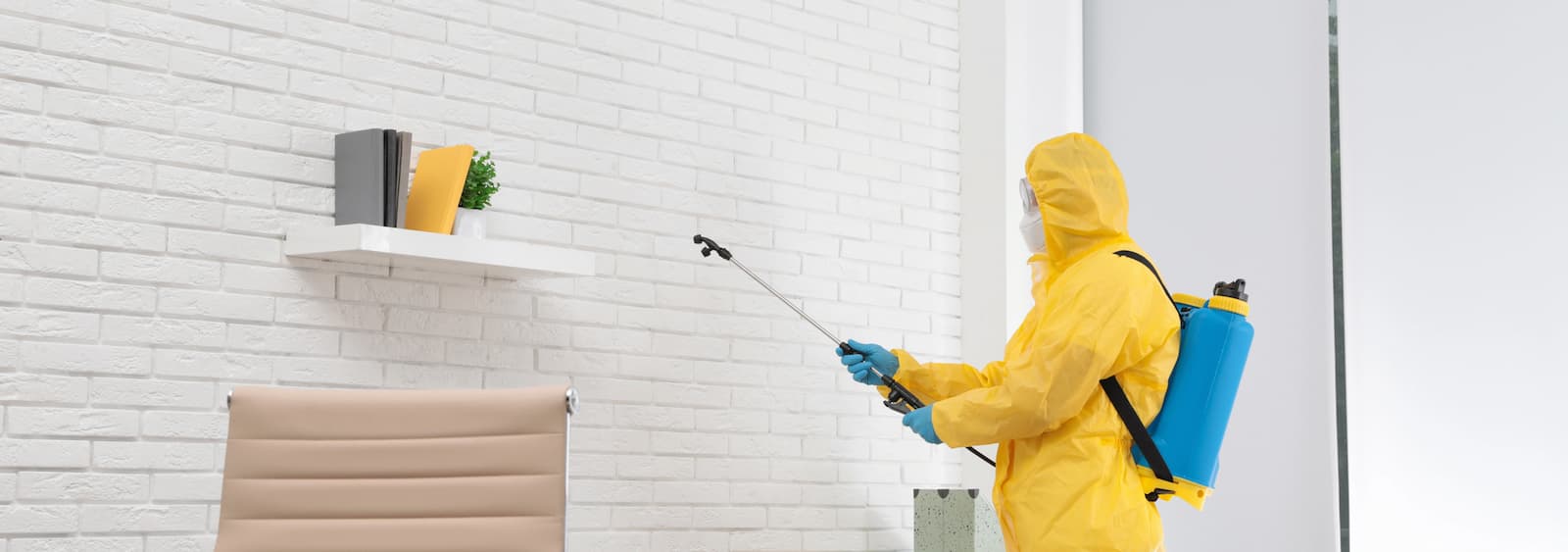
Professional cleaning and decontamination services in Applewood, CO address biohazard exposure, sewage backups, and hazardous material spills that standard cleaning cannot handle. Best Option Restoration of Lakewood provides 24/7 emergency response with IICRC-certified technicians who follow rigorous protocols for the area's older homes.
- Applewood's 1955-1975 housing stock presents unique challenges including aging sewer lines, vintage HVAC ductwork, and basements prone to moisture intrusion and mold growth.
- The decontamination process includes contamination mapping, containment setup, surface treatment with EPA-registered disinfectants, HEPA air filtration, and verification testing.
- The company handles insurance documentation directly, provides discreet service vehicles, and offers follow-up inspections to verify lasting results.
Cleaning and decontamination service in Applewood, CO is a specialized professional response to biohazard exposure, sewage backups, and hazardous material spills. Unlike standard cleaning, these services use advanced protocols to eliminate dangerous pathogens, restore safe living conditions, and protect your family's health when contamination affects your property.
Overview
When contamination strikes your Applewood property – whether from biohazard exposure, sewage backup, or hazardous material spills – the situation demands immediate professional attention. Cleaning and decontamination services go far beyond standard cleaning, involving specialized protocols that eliminate dangerous pathogens, restore safe living conditions, and protect your family's health.
Professional decontamination addresses biological hazards, chemical contaminants, and environmental pollutants that standard cleaning methods simply cannot handle. In Applewood's established residential community – where homes often date back several decades – hidden contamination can lurk in older building materials, HVAC systems, and hard-to-reach spaces that require expert assessment and treatment.
- Complete pathogen elimination using hospital-grade disinfection protocols
- Safe handling and disposal of biohazardous materials according to Colorado regulations
- Air quality restoration through HEPA filtration and antimicrobial treatments
- Structural decontamination that addresses porous and non-porous surfaces
Common Issues in Applewood, CO
When Cleaning & Decontamination Demand Peaks in Applewood
Colorado's muddy spring season and post-winter buildup drives demand for thorough property cleaning and restoration.
Colorado's summer monsoon season brings flash flooding and water intrusion requiring professional decontamination services.
Homeowners schedule deep cleaning and sanitization before hosting holiday gatherings and family visits.
Applewood's location along the Front Range creates specific contamination challenges that residents should recognize. The semi-arid climate with dramatic temperature swings encourages mold growth during humid summer months, while winter's freeze-thaw cycles can cause pipe failures leading to sewage contamination scenarios.
This established Jefferson County neighborhood features mature landscaping and aging infrastructure that can contribute to indoor air quality problems. Older sewer lines, vintage HVAC ductwork, and decades-old insulation materials sometimes harbor contaminants that only become apparent during renovations or water damage events.
- Sewage backups from aging municipal connections and tree root intrusion into sewer lines
- Mold colonization in basements and crawl spaces due to seasonal humidity fluctuations
- Rodent and pest infestations requiring professional decontamination of nesting areas
- Hoarding situations in long-term residences needing biohazard remediation
- Crime scene and trauma cleanup following accidents or unattended deaths
- Chemical contamination from household product spills or garage storage mishaps
Warning signs that indicate professional decontamination may be necessary include persistent musty odors, visible discoloration on walls or ceilings, recurring respiratory symptoms among household members, and evidence of pest activity. Acting quickly when these signs appear prevents contamination from spreading throughout your home's interconnected systems.
How Best Option Restoration of Lakewood Can Help
Our decontamination process follows rigorous protocols developed from years of restoration experience in the greater Lakewood and Applewood areas. Each project begins with comprehensive assessment and ends with verification testing to confirm your property meets safe occupancy standards.
Our Step-by-Step Decontamination Process
- Initial assessment and contamination mapping to identify affected zones and determine appropriate treatment protocols
- Containment setup using physical barriers and negative air pressure to prevent cross-contamination
- Personal protective equipment deployment for technician safety and contamination control
- Removal of contaminated materials including porous items that cannot be effectively decontaminated
- Surface treatment using EPA-registered disinfectants appropriate for the specific contamination type
- Air purification through HEPA filtration and antimicrobial fogging
- Verification testing and clearance documentation
Specialized Techniques We Employ
- ATP testing to measure biological contamination levels before and after treatment
- Hydroxyl generator technology for odor elimination without harsh chemicals
- Enzymatic cleaners that break down organic matter at the molecular level
- Thermal fogging for penetrating treatment of hard-to-reach areas
- Ozone treatment for severe odor situations when the property can be vacated
Throughout the process, our project managers maintain clear communication with you. We provide daily updates, explain each phase before beginning, and answer questions promptly. Your comfort with the process matters as much as the technical results.
Insurance & Documentation
Professional decontamination projects require thorough documentation – both for insurance purposes and to establish a clear record that your property has been properly remediated. Our team handles this administrative burden so you can focus on returning to normal life.
We create detailed documentation packages that satisfy insurance adjusters and provide peace of mind for future property transactions.
- Photographic evidence of contamination extent before treatment begins
- Itemized inventories of affected materials and contents
- Chain of custody records for biohazardous waste disposal
- Treatment protocols and product specifications used during decontamination
- Post-remediation verification testing results
- Certificates of completion with technician credentials
Our team works directly with insurance carriers, submitting claims documentation in formats adjusters recognize and responding promptly to supplemental information requests. We hold IICRC certifications in multiple restoration disciplines, meeting the credentialing standards most insurance companies require for covered work.
Why Choose Best Option Restoration of Lakewood
Serving Applewood from our Lakewood base means rapid response when contamination emergencies occur. Our technicians can typically arrive within hours – not days – because we understand that contamination spreads with every passing moment. That proximity translates to faster containment and better outcomes for your property.
Our team holds certifications from the Institute of Inspection, Cleaning and Restoration Certification (IICRC) in trauma and crime scene cleanup, odor control, and water damage restoration. These credentials represent hundreds of hours of specialized training in handling hazardous situations safely and effectively.
- 24/7 emergency response availability for urgent contamination situations
- Direct insurance billing to minimize your out-of-pocket administrative burden
- Discreet service vehicles and professional conduct that respects your privacy
- Follow-up inspections to verify lasting results after project completion
Housing Characteristics & Cleaning & Decontamination Considerations
Applewood's housing stock tells the story of post-war suburban expansion along the Front Range. Most homes in this neighborhood were constructed between 1955 and 1975, representing the mid-century building boom that transformed this area from agricultural land into a desirable residential community. This housing age creates specific decontamination considerations that newer construction simply doesn't present.
Single-family ranch-style homes dominate Applewood's streetscape, typically ranging from 1,200 to 2,400 square feet. These homes feature construction methods and materials common to their era – including original hardwood floors, plaster walls, and HVAC systems that may have accumulated decades of dust and potential contaminants within their ductwork.
Age-Related Decontamination Factors
- Original cast iron drain lines prone to corrosion and sewage backup situations
- Older HVAC ductwork that harbors accumulated contaminants requiring specialized cleaning
- Basement construction without modern moisture barriers, increasing mold vulnerability
- Attic spaces with vintage insulation that may complicate decontamination access
- Multiple ownership histories that may have introduced unknown contamination sources
The predominance of full basements in Applewood homes – a common feature in 1960s Colorado construction – creates additional decontamination challenges. These below-grade spaces are particularly susceptible to moisture intrusion, sewage backup, and mold growth. Our protocols account for these architectural realities when developing treatment plans for Applewood properties.
Environmental Conditions & Cleaning & Decontamination Implications
Applewood sits at approximately 5,500 feet elevation in Jefferson County, experiencing the classic Front Range semi-arid climate that significantly impacts contamination patterns and decontamination approaches. Average annual precipitation of around 15 inches arrives primarily during spring thunderstorm season and winter snowfall – creating seasonal moisture cycles that influence indoor contamination risks.
The Denver metropolitan area, including Applewood, experiences periodic air quality challenges from wildfire smoke, ozone, and particulate matter. During summer months, ozone levels frequently exceed EPA standards, while wildfire seasons bring smoke infiltration that can deposit fine particulates throughout home interiors. These environmental factors compound indoor air quality concerns when contamination events occur.
Local Environmental Factors Affecting Decontamination
- Low average humidity (around 40%) that can preserve some contaminants while desiccating others
- Intense UV exposure at elevation that affects outdoor decontamination protocols
- Clay-heavy soils in portions of Applewood that contribute to basement moisture issues
- Seasonal temperature swings exceeding 50 degrees that stress building envelopes
- Municipal water from Denver Water with moderate mineral content affecting cleaning chemistry
Colorado's environmental regulations require proper disposal of biohazardous materials through licensed facilities. Our team maintains current certifications and relationships with approved disposal sites, ensuring your decontamination project complies with state and local environmental requirements throughout the process.
Population Characteristics & Cleaning & Decontamination Considerations
Applewood represents a stable, established community within Jefferson County's suburban landscape. The neighborhood's population skews toward middle-aged and older residents – many of whom have lived in their homes for decades. This demographic stability creates both strong community bonds and specific service considerations for decontamination work.
Household incomes in Applewood generally fall within the middle to upper-middle range for the Denver metro area, with many residents employed in professional, technical, and healthcare sectors. This economic profile means homeowners typically maintain their properties well but may face significant financial stress when unexpected contamination events occur – making insurance coordination and clear cost communication particularly valuable.
Population Factors Influencing Service Needs
- Aging-in-place residents who may need additional support during decontamination projects
- Long-term homeownership creating emotional attachment that requires sensitive communication
- Dual-income households with scheduling constraints for project coordination
- Pet ownership rates that introduce additional decontamination considerations
- Multi-generational households with varying health sensitivities to contaminants
The presence of elderly residents in Applewood means our teams frequently encounter situations requiring extra care – both in communication style and in ensuring homes are thoroughly safe before vulnerable individuals return. We adjust our protocols to account for residents with respiratory conditions, immune system concerns, or mobility limitations that affect how we approach the decontamination process.
Indoor Air Quality Factors in Applewood
Indoor air quality represents a critical concern for Applewood residents, particularly given the neighborhood's housing age and the Denver metro area's documented air quality challenges. Studies from the Colorado Department of Public Health and Environment consistently show that indoor air can contain two to five times more pollutants than outdoor air – a statistic that becomes especially relevant when contamination events occur.
The Applewood area experiences several air quality factors that directly impact decontamination needs and approaches.
Regional Air Quality Statistics
- Jefferson County records an average of 20-30 "unhealthy for sensitive groups" air quality days annually
- Wildfire smoke events have increased in frequency over the past decade, with 2020 and 2021 seeing record-breaking smoke infiltration
- Ground-level ozone concentrations regularly exceed 70 parts per billion during summer afternoons
- PM2.5 particulate levels spike during temperature inversions common in winter months
- Radon levels in Jefferson County frequently exceed EPA action thresholds of 4 pCi/L
These environmental realities mean Applewood homes often benefit from comprehensive air quality restoration as part of any decontamination project. Our protocols include HEPA air scrubbing, antimicrobial treatments for HVAC systems, and post-remediation air quality testing to verify that your indoor environment meets health standards.
The combination of older home construction – with its vintage ductwork and less-sealed building envelopes – and regional air quality challenges creates compounding effects. When contamination events occur, they often reveal pre-existing air quality issues that homeowners weren't aware of. Our assessment process identifies these layered concerns, allowing us to address both the immediate contamination and underlying air quality factors that could cause future problems.
Weather & Alerts in Applewood, CO
Current Conditions
Temp: 73°F · Feels like: 72°F
Humidity: 54% · Wind: 9 mph
Emergency Alerts
No active alerts.
Cleaning & Decontamination in Other Service Areas
Useful Numbers
- Life-threatening emergencies
- 911
- Poison Control
- 1-800-222-1222
- Suicide Prevention Lifeline
- 988
- Police (non-emergency)
- Visit your local police department website
- Fire Department (non-emergency)
- Check the Applewood city website
- City Hall
- Available on the official Applewood government website
- Non-Emergency Services
- Call 311 if available in your area
Always verify numbers from official city/county websites.