
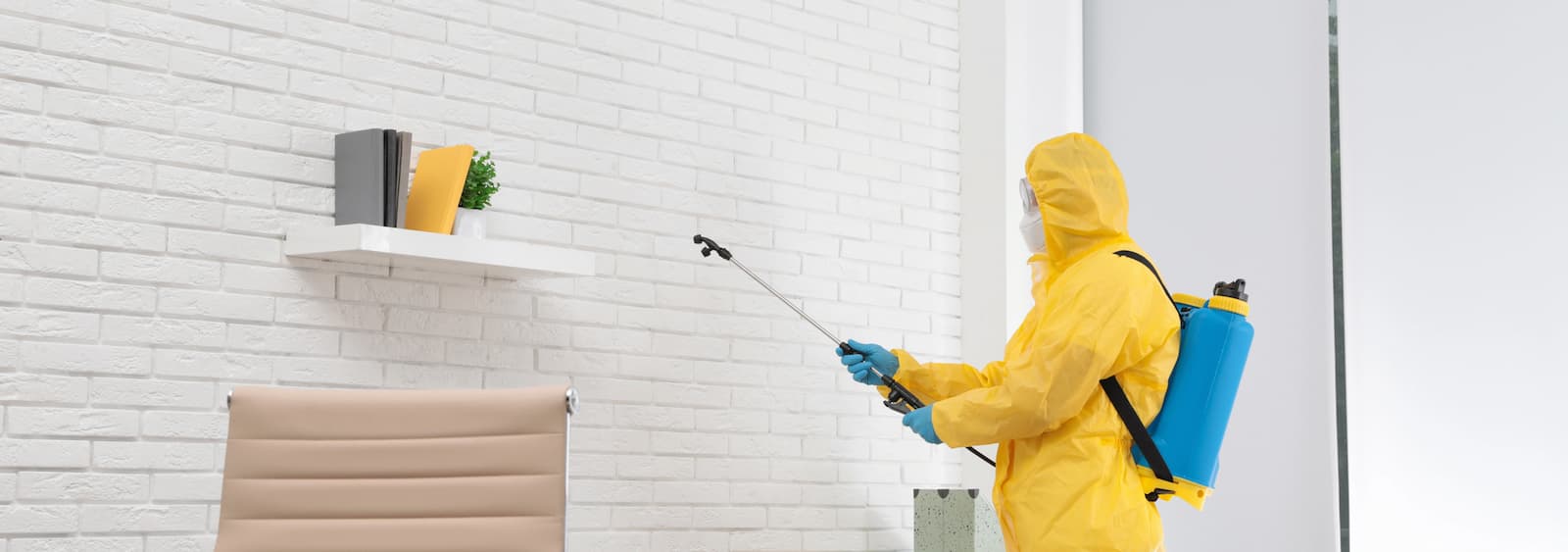
Professional cleaning and decontamination services in Broomfield, Colorado address contamination from wildfire smoke, biohazards, sewage backups, and mold. Best Option Restoration of Lakewood provides systematic remediation with IICRC-certified technicians and thorough documentation for insurance claims.
- Broomfield's location along the Front Range creates unique contamination challenges including wildfire smoke infiltration, seasonal flooding, and mold growth in basements during spring thaw cycles.
- The company's process includes contamination mapping, containment setup, source removal, deep cleaning with hospital-grade solutions, deodorization, and verification testing to confirm safe conditions.
- Housing in Broomfield ranges from 1960s homes that may contain asbestos to newer construction with tight building envelopes that can trap contaminants - each requiring different remediation approaches.
Cleaning and decontamination refers to professional services that remove harmful contaminants from indoor spaces, including smoke damage, biohazard materials, sewage backup, and mold. In Broomfield, CO, these services are especially needed because the area experiences some of the worst indoor air quality in the nation during wildfire season, creating invisible health threats that require expert remediation.
Overview
Indoor air quality in Broomfield, Colorado ranks among the worst in the nation during wildfire season – a startling reality that makes professional cleaning and decontamination services not just helpful but often necessary for maintaining healthy living and working spaces. When contamination events occur – whether from smoke damage, biohazard exposure, sewage backup, or mold infiltration – the invisible threats often prove more dangerous than visible damage.
Professional cleaning and decontamination goes far beyond standard janitorial work. This specialized service involves identifying contamination sources, containing affected areas, removing hazardous materials, sanitizing surfaces using hospital-grade solutions, and verifying that spaces meet health and safety standards. Broomfield's unique position along the Front Range – with its semi-arid climate, periodic wildfire smoke events, and rapid temperature fluctuations – creates conditions that can accelerate contamination spread and complicate cleanup efforts.
- Complete elimination of biological hazards including bacteria, viruses, and fungal spores
- Restoration of indoor air quality to safe, breathable levels
- Prevention of secondary contamination and cross-contamination between areas
- Documentation for insurance purposes and regulatory compliance
Common Issues in Broomfield, CO
Seasonal risk calendar for Cleaning & Decontamination in Broomfield, CO
Based on local patterns and building stock, the months below tend to see the most calls.
Broomfield's geographic position creates a unique combination of contamination challenges. Situated at approximately 5,400 feet elevation with low average humidity, the area experiences rapid moisture evaporation that can either help or hinder decontamination efforts depending on the situation. When water damage occurs, the dry air can create a false sense of security – surfaces appear dry while moisture remains trapped in wall cavities and subflooring, creating ideal conditions for mold growth.
The community's mix of residential neighborhoods, commercial corridors, and light industrial areas means contamination events vary widely. Homes near open spaces face increased exposure to wildfire smoke infiltration, while properties closer to Highway 36 and the Northwest Parkway may experience higher levels of particulate matter from vehicle emissions. Seasonal factors play a significant role – spring snowmelt can overwhelm drainage systems, and summer monsoon patterns bring sudden flooding risks.
- Wildfire smoke infiltration during fire season – fine particulates embed in soft surfaces and HVAC systems
- Sewage backups during heavy rainfall events when storm systems overwhelm aging infrastructure
- Mold development in basements and crawl spaces following spring thaw cycles
- Biohazard situations in homes with elderly residents or unattended deaths
- Pet contamination and odor issues in rental properties between tenants
- Hoarding situations requiring comprehensive cleaning and sanitization
Warning signs that indicate professional decontamination may be needed include persistent musty odors, visible discoloration on walls or ceilings, recurring respiratory symptoms among occupants, and any situation involving bodily fluids, sewage, or animal waste.
How Best Option Restoration of Lakewood Can Help
Our approach to cleaning and decontamination in Broomfield follows a systematic process designed to address contamination thoroughly while keeping you informed at every stage. We believe that understanding what's happening in your property reduces stress and helps you make informed decisions.
Our Step-by-Step Process
- Initial assessment and contamination mapping – we identify the type, extent, and source of contamination using moisture meters, air quality testing, and visual inspection
- Containment setup – we isolate affected areas using physical barriers and negative air pressure to prevent cross-contamination
- Source removal – we eliminate contaminated materials that cannot be safely cleaned, following proper disposal protocols
- Deep cleaning and sanitization – we apply appropriate cleaning agents and disinfectants based on the specific contamination type
- Deodorization – we address odor at the molecular level using thermal fogging, ozone treatment, or hydroxyl generators as appropriate
- Verification testing – we confirm that contamination levels have returned to safe parameters
- Final walkthrough – we review completed work with you and address any remaining concerns
Methods and Techniques
- HEPA filtration and air scrubbing to capture airborne contaminants
- ATP testing to verify surface sanitization effectiveness
- Antimicrobial treatments that continue protecting surfaces after application
- ULV (ultra-low volume) fogging for comprehensive coverage in hard-to-reach areas
Throughout the project, we provide regular updates via your preferred communication method. You'll receive photos documenting progress, explanations of any unexpected findings, and clear timelines for each phase of work.
Insurance & Documentation
Contamination events often qualify for insurance coverage, but successful claims require thorough documentation from the start. We photograph and catalog all affected areas before beginning work, creating a detailed record that supports your claim.
Our documentation package includes initial assessment reports with contamination type identification, itemized lists of affected materials and contents, progress photos throughout the remediation process, and final clearance testing results. This comprehensive approach helps prevent claim disputes and delays.
- Detailed scope of work documents outlining all planned remediation activities
- Chain of custody records for any materials requiring special disposal
- Air quality and surface testing results from certified laboratories
- Compliance certificates for OSHA, EPA, and state regulatory requirements
- Final completion reports suitable for property records and future disclosure
We work directly with insurance adjusters when requested, providing technical explanations of why specific procedures are necessary. Our team understands the documentation standards that insurance companies expect, which helps streamline the claims process for Broomfield property owners.
Why Choose Best Option Restoration of Lakewood
Our technicians hold IICRC certifications in multiple restoration disciplines, including Applied Microbial Remediation and Odor Control. This training means we understand contamination at a scientific level – not just how to clean it, but why specific approaches work for different situations.
Serving Broomfield from our Lakewood base gives us rapid response capability while maintaining the equipment inventory and technical expertise of a larger operation. We're available around the clock because contamination doesn't follow business hours – and the faster remediation begins, the less damage spreads.
What sets us apart is our commitment to verification. We don't consider a job complete until testing confirms that contamination has been eliminated. If post-cleaning tests reveal any remaining issues, we continue work at no additional cost until your property is genuinely safe.
Housing Characteristics & Cleaning & Decontamination Considerations
Broomfield's housing stock reflects its transformation from agricultural community to thriving suburban city. The oldest neighborhoods – primarily near the original downtown area – feature homes built in the 1960s and 1970s, while massive development during the 1990s and 2000s created the master-planned communities that now characterize much of the city. This age distribution creates distinct decontamination considerations.
Homes built before 1980 may contain asbestos in floor tiles, insulation, and joint compounds, requiring careful assessment before any invasive cleaning work. These older properties also tend to have less sophisticated HVAC systems, which can complicate air quality restoration. By contrast, newer construction features tighter building envelopes that – while energy efficient – can trap contaminants and humidity if ventilation systems fail.
- Median home age in Broomfield falls in the 25-35 year range, meaning many homes now face age-related system failures
- Single-family detached homes dominate the housing stock, with finished basements common – a frequent site for water damage and mold growth
- Average home sizes exceed 2,000 square feet, requiring comprehensive decontamination approaches
- Stucco and synthetic stucco exteriors – popular in 1990s construction – can mask moisture intrusion until contamination becomes severe
Multi-family developments, particularly along the Flatiron Crossing corridor, present unique challenges. Shared HVAC systems can spread contamination between units, and coordinating access for comprehensive cleaning requires careful planning and communication with property management.
Environmental Conditions & Cleaning & Decontamination Implications
Broomfield's environmental profile directly influences contamination risks and remediation strategies. The city experiences approximately 300 days of sunshine annually with average relative humidity around 40% – conditions that generally discourage mold growth but can cause rapid drying that locks in odors and stains if not addressed promptly.
Air quality presents a significant concern. Broomfield sits in the Denver-Boulder ozone nonattainment area, and summer months frequently bring air quality alerts. Wildfire smoke from Front Range and mountain fires can push particulate levels to hazardous ranges – PM2.5 readings during the 2020 fire season exceeded 500 in some measurements. These fine particles infiltrate buildings and embed in soft materials, requiring specialized air scrubbing and surface cleaning.
- Annual precipitation averages 15-17 inches, with heaviest rainfall during spring and early summer monsoon season
- Soil composition features expansive clay that can shift foundations and crack basement walls, creating moisture intrusion pathways
- Temperature swings of 40+ degrees within 24 hours stress building materials and HVAC systems
- Municipal water comes from multiple sources including the Colorado River system, with hardness levels that can affect cleaning chemical effectiveness
Colorado's environmental regulations require proper disposal of contaminated materials, particularly those involving biohazards or hazardous substances. We maintain current knowledge of state and local requirements to keep your project compliant.
Population Characteristics & Cleaning & Decontamination Considerations
Broomfield's population of approximately 75,000 residents reflects a predominantly suburban, family-oriented community with above-average household incomes. The median household income exceeds $100,000 – significantly higher than state and national averages – which influences both service expectations and the types of properties requiring decontamination services.
The workforce here skews heavily toward professional and technical occupations, with many residents employed in the technology, healthcare, and aerospace sectors along the US-36 corridor. This demographic tends to be well-informed about health risks and expects clear communication and scientific backing for remediation approaches. Many households include dual-income professionals with limited availability during business hours, making flexible scheduling and thorough communication especially valuable.
- Population density remains moderate at roughly 3,500 people per square mile, lower than Denver but higher than surrounding rural areas
- Household composition includes a high percentage of families with children, increasing sensitivity to contamination health effects
- Growing senior population in established neighborhoods creates increased demand for biohazard and hoarding cleanup services
- Diverse community includes significant Asian and Hispanic populations, and we provide multilingual service options when needed
The combination of higher incomes and family-focused households means Broomfield residents often prioritize thorough remediation over minimal-cost solutions. Parents want assurance that their homes are genuinely safe for children, and homeowners protecting significant property investments understand the value of professional-grade decontamination.
Indoor Air Quality Concerns in Broomfield
Indoor air quality data reveals why professional decontamination services have become increasingly necessary for Broomfield residents. The American Lung Association consistently rates the Denver-Boulder-Aurora metro area – which includes Broomfield – among the most ozone-polluted regions in the United States. This outdoor pollution directly impacts indoor environments, particularly in homes with older HVAC systems or inadequate filtration.
Wildfire smoke events have intensified dramatically over the past decade. Colorado experienced its three largest wildfires in recorded history during 2020, and Broomfield residents faced weeks of hazardous air quality. Studies show that wildfire smoke particles penetrate buildings even with windows closed, accumulating in carpeting, upholstery, and ductwork. Without professional cleaning, these contaminants continue off-gassing and recirculating for months.
Key Air Quality Statistics for Broomfield
- Ozone levels exceed federal health standards an average of 20+ days per year
- PM2.5 (fine particulate) concentrations spike during winter inversions and summer fire season
- Indoor air can be 2-5 times more polluted than outdoor air according to EPA research
- Volatile organic compounds from household products combine with outdoor pollutants to create complex contamination scenarios
The health implications are measurable. Broomfield County health data shows elevated rates of asthma and respiratory conditions compared to national averages. For residents with pre-existing respiratory conditions, compromised immune systems, or young children, maintaining clean indoor air isn't optional – it's medically necessary.
Professional decontamination addresses these air quality concerns through comprehensive approaches that consumer-grade equipment cannot match. Our HEPA filtration systems capture particles down to 0.3 microns, and our air scrubbing protocols create measurable improvements in indoor air quality that we document through before-and-after testing.
Weather & Alerts in Broomfield, CO
Current Conditions
Temp: 72°F · Feels like: 72°F
Humidity: 58% · Wind: 7 mph
Emergency Alerts
No active alerts.
Cleaning & Decontamination in Other Service Areas
Useful Numbers
- Life-threatening emergencies
- 911
- Poison Control
- 1-800-222-1222
- Suicide Prevention Lifeline
- 988
- Police (non-emergency)
- Visit your local police department website
- Fire Department (non-emergency)
- Check the Broomfield city website
- City Hall
- Available on the official Broomfield government website
- Non-Emergency Services
- Call 311 if available in your area
Always verify numbers from official city/county websites.