
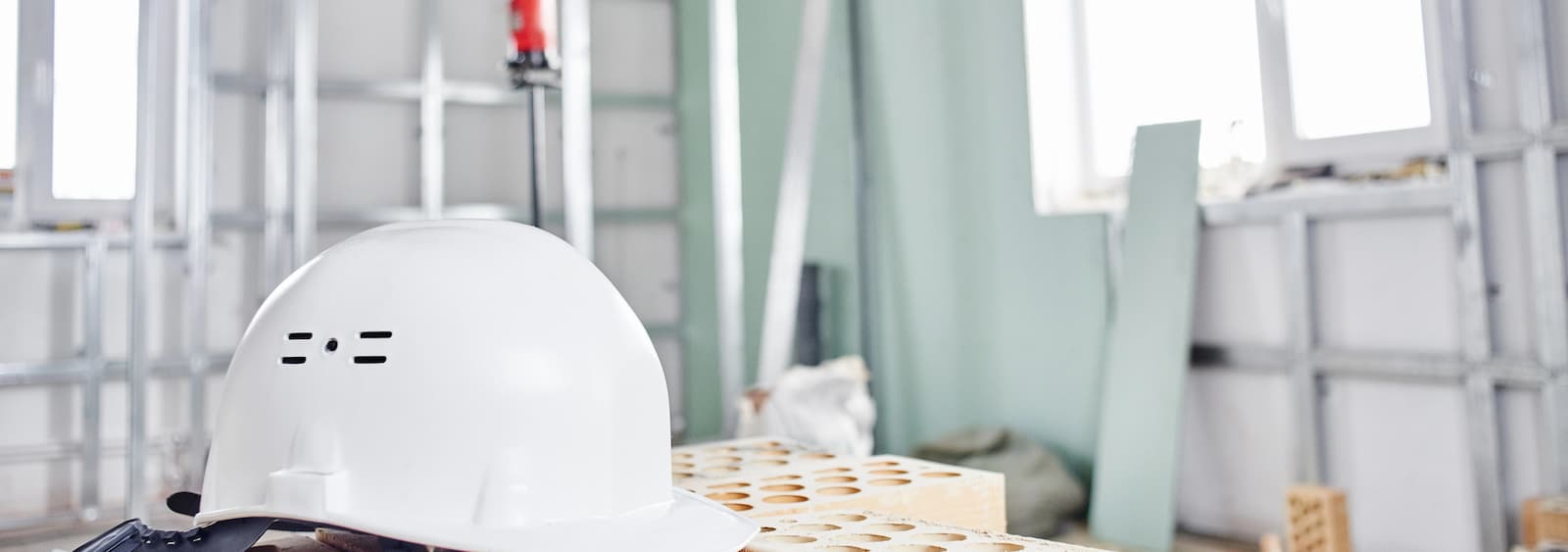
Nearly 40% of Denver homeowners will face significant property damage requiring professional reconstruction due to the city's severe weather, aging housing stock, and rapid development. Best Option Restoration of Lakewood provides complete restoration services from emergency response through final walkthrough.
- Denver properties face hail damage, ice dams, foundation settling from clay soils, fire damage, and wind damage from microbursts - with 7 to 9 significant hail events annually.
- The reconstruction process includes emergency stabilization, damage assessment with insurance documentation, permit acquisition, structural repairs to current codes, and quality verification at each phase.
- The team holds IICRC certifications, handles all permit requirements and insurance coordination, and offers 24/7 local response with transparent pricing and warranty coverage on all work.
Property reconstruction is the professional process of restoring a home or commercial building after significant damage from events like severe weather, fire, or water intrusion. Denver homeowners typically need reconstruction services when damage goes beyond simple repairs - requiring structural work, multiple trade coordination, and restoration to pre-loss condition. The city's harsh weather patterns and aging housing stock make these services particularly common for local property owners.
Overview
Nearly 40% of Denver homeowners will face significant property damage requiring professional reconstruction at some point during their ownership – a statistic that reflects the Mile High City's unique combination of severe weather events, aging housing stock, and rapid urban development. When disaster strikes your home or commercial property, the path from damage to restoration can feel overwhelming without the right partner guiding you through every phase.
Repairs and reconstruction services encompass the complete restoration of properties affected by water damage, fire, storms, or other catastrophic events. This process goes far beyond simple handyman work – it involves structural assessment, demolition of compromised materials, rebuilding to current code standards, and finishing work that returns your property to its pre-loss condition or better.
- Complete structural rebuilding following water, fire, or storm damage
- Coordination with insurance adjusters and documentation specialists
- Code-compliant construction that addresses Denver's specific building requirements
- Single-source accountability from initial assessment through final walkthrough
Denver's semi-arid climate, dramatic temperature swings, and occasional severe hailstorms create distinct reconstruction challenges. Professional expertise matters here – improper repairs in our high-altitude environment can lead to moisture infiltration, structural compromise, and recurring damage that costs far more than doing it right the first time.
Common Issues in Denver, CO
When repair demand peaks in Denver
Hail storms and severe weather cause significant roof, siding, and property damage requiring repairs.
Homeowners address freeze-thaw damage to foundations, pipes, and driveways once snow melts.
Residents rush to complete exterior repairs and weatherproofing before Colorado's harsh winter arrives.
Denver's position at the convergence of the Great Plains and Rocky Mountains creates weather patterns that test building materials and construction methods year-round. Spring brings unpredictable hailstorms that can devastate roofing systems and siding in minutes, while winter's freeze-thaw cycles work their way into small cracks and expand them into major structural concerns.
The city's rapid growth over the past two decades has also contributed to reconstruction needs. Many developments built during Denver's boom periods prioritized speed over longevity, and property owners are now discovering that corners were cut in ways that become apparent only after water intrusion or foundation shifting occurs.
- Hail damage to roofing, siding, and exterior finishes – Denver averages 7-9 significant hail events annually
- Water damage from ice dams forming along roof edges during temperature fluctuations
- Foundation settling and cracking due to expansive clay soils prevalent throughout the metro area
- Fire damage from both structure fires and wildfire smoke infiltration affecting indoor air quality
- Wind damage from microbursts and severe thunderstorms common during spring and summer months
- Mold growth in basements and crawlspaces where moisture accumulates undetected
Warning signs that reconstruction may be necessary include visible water staining on ceilings or walls, doors and windows that no longer close properly, cracks appearing in drywall or exterior masonry, and musty odors that persist despite cleaning efforts. Addressing these issues promptly prevents minor damage from escalating into major structural failures.
How Best Option Restoration of Lakewood Can Help
Our reconstruction process begins the moment you contact us, with clear communication establishing the foundation for everything that follows. We understand that property damage disrupts your entire life, and our approach prioritizes keeping you informed at every stage while moving efficiently toward completion.
Our Step-by-Step Reconstruction Process
- Emergency response and property stabilization to prevent additional damage
- Comprehensive damage assessment with detailed documentation for insurance purposes
- Development of a reconstruction plan with scope of work and material specifications
- Permit acquisition and coordination with local building authorities
- Demolition and removal of damaged materials following proper disposal protocols
- Structural repairs and rebuilding to current Denver building codes
- Mechanical, electrical, and plumbing system restoration as needed
- Interior finishing including drywall, painting, flooring, and trim work
- Final inspection and quality verification walkthrough with the property owner
Methods and Quality Control
We employ construction techniques specifically suited to Denver's climate challenges. This includes moisture barrier systems designed for our low-humidity environment, fastening methods that account for temperature-related expansion and contraction, and material selections that perform reliably at altitude.
- Daily progress updates through your preferred communication method
- Photo documentation at each project phase
- Third-party inspections at critical construction milestones
- Direct access to your project manager throughout the reconstruction
Quality control isn't a final step for us – it's integrated into every phase. Our project managers conduct regular site visits, and we maintain open communication channels so concerns get addressed immediately rather than discovered at completion.
Permits, Insurance & Compliance
Reconstruction projects in Denver typically require building permits, especially when work involves structural modifications, electrical systems, plumbing changes, or alterations to the building envelope. The City and County of Denver's Community Planning and Development department oversees permit requirements, and our team handles these administrative tasks so you don't have to navigate the bureaucracy during an already stressful time.
- Building permits for structural work and major interior modifications
- Electrical permits when rewiring or adding circuits
- Plumbing permits for pipe replacement or fixture relocation
- Mechanical permits for HVAC system repairs or replacement
- Historic preservation review for properties in designated districts
We maintain current knowledge of Denver's building codes, including the 2021 International Building Code adoptions and local amendments specific to our region. Our documentation practices satisfy insurance company requirements while also creating a complete record of all work performed – something that protects your property value and simplifies future insurance claims or real estate transactions.
Working with your insurance adjuster is a standard part of our process. We provide detailed estimates, photographic evidence, and scope-of-work documentation that helps ensure your claim reflects the true cost of proper restoration.
Why Choose Best Option Restoration of Lakewood
Our team holds IICRC certifications in water damage restoration, fire and smoke restoration, and applied structural drying – credentials that represent hundreds of hours of specialized training. We combine this technical expertise with deep familiarity of Denver's construction landscape, building department processes, and the specific challenges properties in our region face.
When you call us, you reach a local team member – not a national call center. We respond quickly because we understand that every hour of delay can mean additional damage and higher restoration costs. Our 24/7 availability means emergency stabilization begins when you need it, not during business hours.
- Licensed, bonded, and insured – with coverage that protects your property throughout reconstruction
- Single point of contact from initial assessment through project completion
- Transparent pricing with detailed written estimates before work begins
- Warranty coverage on all reconstruction work performed
- Direct insurance billing to minimize your out-of-pocket administrative burden
Housing Characteristics & Repairs & Reconstruction Considerations
Denver's housing stock tells the story of the city's evolution from a mining-era settlement to a modern metropolitan area. Approximately 35% of homes in the Denver metro area were built before 1970, with significant construction waves occurring in the 1950s post-war boom, the 1970s-1980s suburban expansion, and the 2000s-present urban renaissance. Each era brought distinct construction methods that influence reconstruction approaches today.
Single-family homes dominate much of Denver's residential landscape, though the city has seen substantial multi-family and condominium development in recent decades. Average home sizes range from 1,200-1,500 square feet in older neighborhoods like Capitol Hill and Congress Park to 2,500+ square feet in newer suburban developments. Historic districts throughout the city contain homes requiring specialized restoration techniques that preserve architectural character while meeting modern safety standards.
- Pre-1950s homes often feature balloon-frame construction, knob-and-tube wiring, and plaster walls
- 1950s-1970s construction commonly includes concrete block foundations and original galvanized plumbing
- 1980s-1990s homes frequently have polybutylene pipes and early synthetic stucco systems
- Modern construction uses engineered lumber and OSB sheathing with specific moisture considerations
These housing characteristics directly impact reconstruction planning. Older homes may require asbestos and lead paint testing before demolition can proceed. Mid-century construction often reveals outdated electrical systems that must be upgraded during reconstruction. Newer homes built with engineered materials demand precise moisture control to prevent premature failure of structural components.
Environmental Conditions & Repairs & Reconstruction Implications
Denver's semi-arid climate – averaging just 15 inches of precipitation annually – creates a unique environment for building materials. Low humidity levels cause wood to dry and shrink differently than in coastal or humid climates, affecting everything from framing lumber to hardwood flooring installation. Our reconstruction methods account for these conditions, using acclimation periods and moisture content specifications appropriate for our altitude and humidity levels.
Air quality in Denver presents seasonal challenges that influence reconstruction timing and techniques. Ozone levels peak during summer months, and wildfire smoke from regional fires can affect outdoor work conditions and infiltrate buildings during reconstruction. The city's brown cloud – a temperature inversion phenomenon trapping pollutants – occurs primarily in winter and can impact exterior finishing work and curing times for certain materials.
- Average relative humidity of 35-45% requires specific material acclimation protocols
- Expansive bentonite clay soils throughout the metro area cause foundation movement
- UV intensity at 5,280 feet accelerates exterior material degradation
- Freeze-thaw cycles averaging 100+ days annually stress building envelopes
- Municipal water treatment produces moderately hard water affecting plumbing systems
Soil conditions throughout Denver vary significantly by neighborhood, but expansive clays are common in many areas. These soils swell when wet and shrink when dry, creating ongoing foundation stress that reconstruction projects must address through proper drainage, foundation stabilization, and moisture management systems designed for local conditions.
Population Characteristics & Repairs & Reconstruction Considerations
Denver's population has grown by over 20% since 2010, reaching approximately 715,000 residents within city limits and over 2.9 million in the metropolitan area. This growth has created a diverse mix of long-term residents in established neighborhoods and newcomers often unfamiliar with the region's unique climate challenges. Our team frequently educates property owners about Denver-specific maintenance needs that prevent future damage.
The city's median household income of approximately $72,000 places it above national averages, though significant variation exists across neighborhoods. This economic diversity means reconstruction needs range from modest repairs in starter homes to extensive restoration of high-value properties. We scale our services accordingly, providing the same quality workmanship and communication regardless of project size.
- Median age of 34.6 years indicates a young, professional population
- Technology, healthcare, and aerospace sectors drive local employment
- Nearly 40% of residents hold bachelor's degrees or higher
- Rental properties comprise approximately 45% of housing units
- Growing senior population in established neighborhoods has aging-in-place considerations
Denver's cultural diversity – with significant Hispanic, African American, and Asian communities – means our team approaches each project with cultural sensitivity and clear communication. Many property owners juggle demanding careers in the city's professional sectors, making our transparent communication and efficient project management especially valuable for those who cannot be on-site during reconstruction.
Severe Weather Events & Property Damage Patterns in Denver
Denver ranks among the top five U.S. cities for hail damage claims, with the National Weather Service documenting an average of 50+ hail days annually within a 50-mile radius of the city center. The May 2017 hailstorm alone caused an estimated $2.3 billion in insured losses across the metro area – making it one of the costliest natural disasters in Colorado history. These statistics underscore why reconstruction expertise matters for Denver property owners.
Beyond hail, Denver experiences a range of severe weather events that drive reconstruction demand. The city averages 40-50 thunderstorm days per year, many producing damaging winds exceeding 60 mph. Winter storms bring heavy, wet snow that stresses roofing systems and can cause ice dam formation when temperatures fluctuate. Flash flooding from rapid snowmelt or intense summer storms affects properties throughout the metro area, particularly those near drainage channels and low-lying areas.
- Average of 7-9 significant hail events annually within Denver city limits
- Tornado Alley's western edge brings occasional tornado and severe wind events
- Wildfire risk has increased, with smoke damage affecting properties miles from actual fires
- Flash flood warnings issued 15-20 times annually for portions of the metro area
- Winter storm damage peaks in March and April during heavy, wet snow events
Insurance industry data shows that Denver-area homeowners file weather-related claims at rates 40% higher than the national average. This frequency means many local properties have experienced multiple damage events over their lifespan, sometimes with repairs that failed to address underlying vulnerabilities. Our reconstruction approach includes assessment of previous repair work and identification of systemic issues that could lead to recurring damage – protecting your investment for the long term rather than simply addressing immediate visible damage.
Weather & Alerts in Denver, CO
Current Conditions
Temp: 66°F · Feels like: 65°F
Humidity: 52% · Wind: 3 mph
Emergency Alerts
No active alerts.
Repairs & Reconstruction in Other Service Areas
Useful Numbers
- Life-threatening emergencies
- 911
- Poison Control
- 1-800-222-1222
- Suicide Prevention Lifeline
- 988
- Police (non-emergency)
- Visit your local police department website
- Fire Department (non-emergency)
- Check the Denver city website
- City Hall
- Available on the official Denver government website
- Non-Emergency Services
- Call 311 if available in your area
Always verify numbers from official city/county websites.